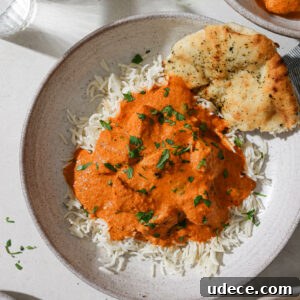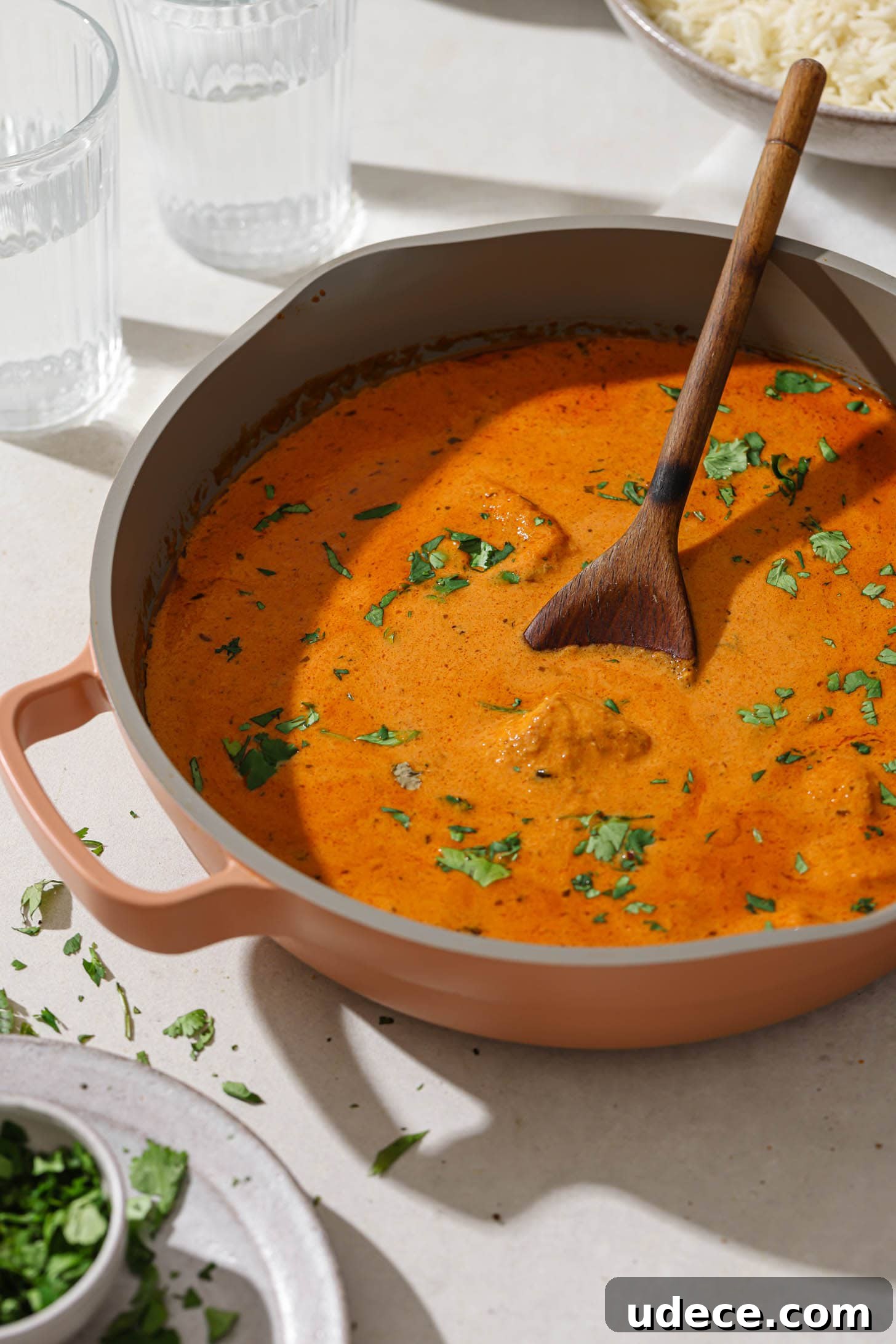
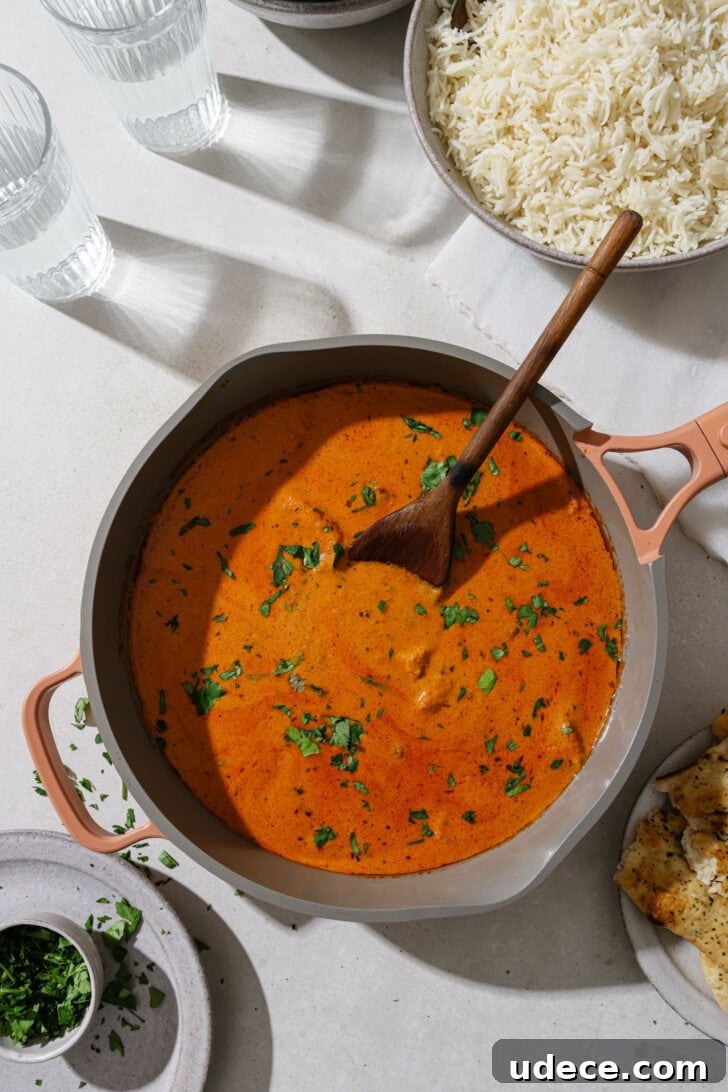
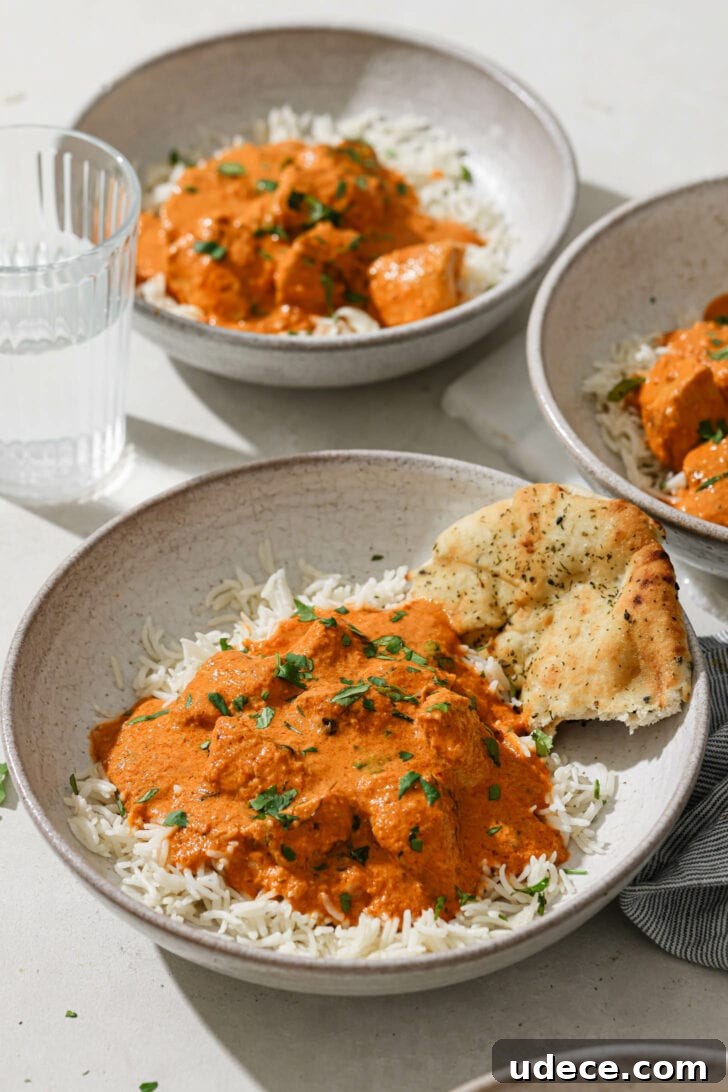
A beginner-friendly Butter Chicken that delivers restaurant-style flavor, made in one pan and ready in under 40 minutes. This version yields a silky, buttery makhani sauce and tender chicken. After more than 20 tests and comparisons with restaurant versions, this is a reliable Butter Chicken you can make at home.
This is, without a doubt the BEST Butter Chicken I have ever eaten! It is absolutely spectacular. Thank you so much for yet another delectable and perfect recipe!
-Monique
Recipe Testing
Butter Chicken is a classic restaurant-style dish, and recreating that exact profile at home takes testing and adjustment. Unlike many homestyle curries, Butter Chicken relies on a smooth, balanced tomato-cream base and a careful harmony of spices. This recipe is the result of many trials aimed at two goals: simplifying the process and delivering an authentic restaurant-style result.
Guided by those questions, I refined techniques, pared back unnecessary ingredients, and focused on flavor-building steps that reliably produce the silky makhani sauce and tender chicken you expect.
Butter Chicken Truths
- You cannot use fresh tomatoes (easily): Fresh tomatoes can make the sauce tart and less smooth unless they’re very ripe, peeled, and cooked down. Canned whole peeled tomatoes or tomato purée provide consistent flavor and the right texture for a restaurant-style sauce.
- Less is more: I removed optional ingredients that added little or inconsistent benefit—green chiles, extra turmeric, cashews, and many whole spices. Trimming the recipe down tightened the flavors and moved the result closer to the original Moti Mahal style.
- Don’t hold back: Butter, sugar, and cream are essential to Butter Chicken’s character. Use them confidently—the recipe is meant to be indulgent and impressive.
Other versions I tested: several viral and restaurant recipes informed this version, plus cookbooks like Moti Mahal’s family account and regional culinary histories. These references helped identify the simplest combination of techniques and ingredients that still achieve a restaurant-quality result.
Ingredients
Each ingredient and quantity in this recipe is intentional. Below are notes on choices and substitutes—if you have questions about swaps, feel free to ask in the comments of the original post.
For the Marinade
On store-bought tandoori masala: A little goes a long way. I prefer a small amount (or a DIY blend) to avoid an overpowering packaged powder flavor. Use 1/4–1/2 tsp to enhance flavor rather than replacing the ground spices entirely.
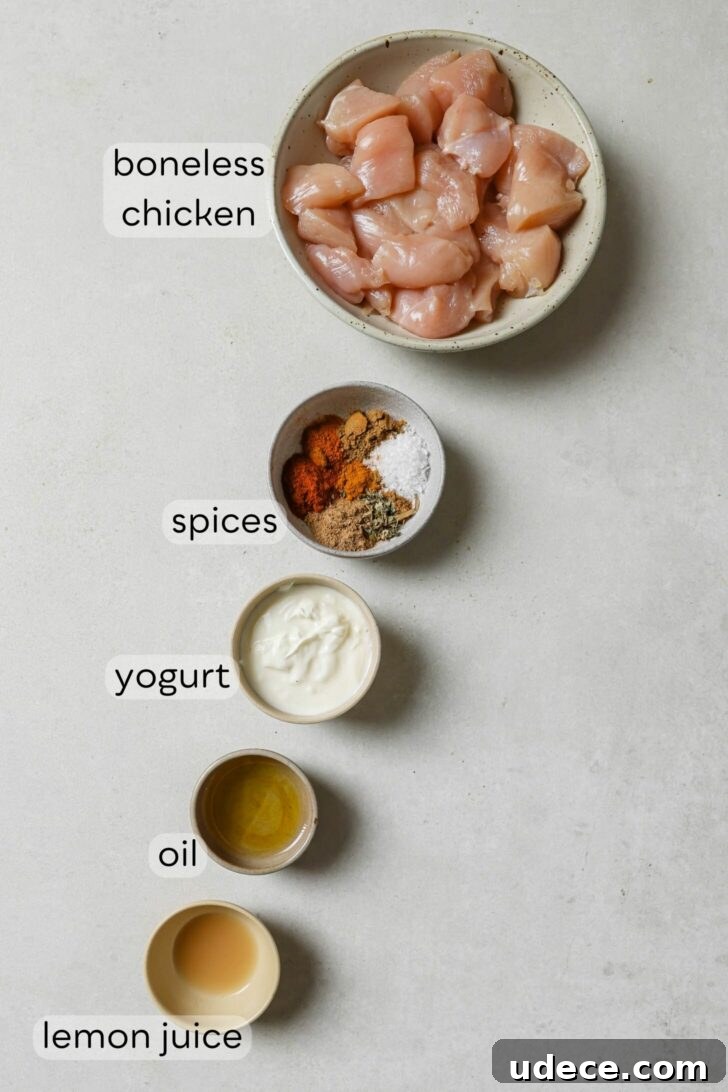
- Whole-milk plain yogurt (preferably Greek): Thicker yogurt clings to the chicken and limits excess tang.
- Ground spices for a quick tandoori-style marinade: Kashmiri chili or paprika for color, red chili or cayenne for heat, coriander powder, cumin powder, turmeric, and a dash of garam masala.
- Lemon or lime juice: Brightens and helps tenderize.
- Garlic paste (optional): There’s garlic in the sauce, so you can keep it optional in the marinade if you prefer.
Chicken
- Boneless chicken: Breast works well to stay tender, but thighs or tenders are excellent alternatives. Cut into roughly 1.25″ (3.75 cm) cubes.
Restaurant tenderness: Restaurants sometimes use tenderizers that produce a very soft texture. If you want a similar effect at home, 1 tsp papaya paste in the marinade will tenderize the chicken; use sparingly if you try it.
For the Butter Chicken Masala
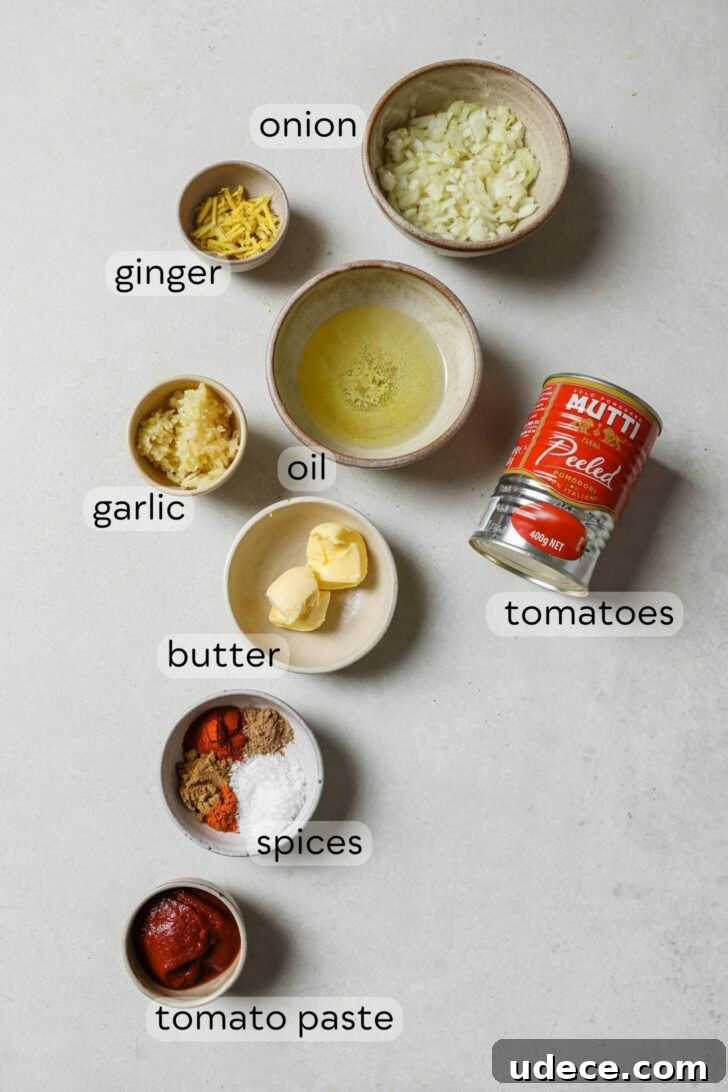
- Canned whole peeled tomatoes: My preference for consistent flavor and vibrant color. Alternatives: 2/3 cup (170 g) tomato purée, or about 3 very ripe fresh tomatoes cooked, peeled, and puréed.
- Salted butter or ghee: For cooking the chicken and enriching the sauce.
- Onion: A small, finely chopped onion adds body; pulse-chop rather than pureeing to avoid excess water.
- Ground spices: Kashmiri chili or paprika for color, cumin powder, coriander powder, and red chili or cayenne for heat.
- Tomato paste: Intensifies tomato flavor and deepens color.
After Blending
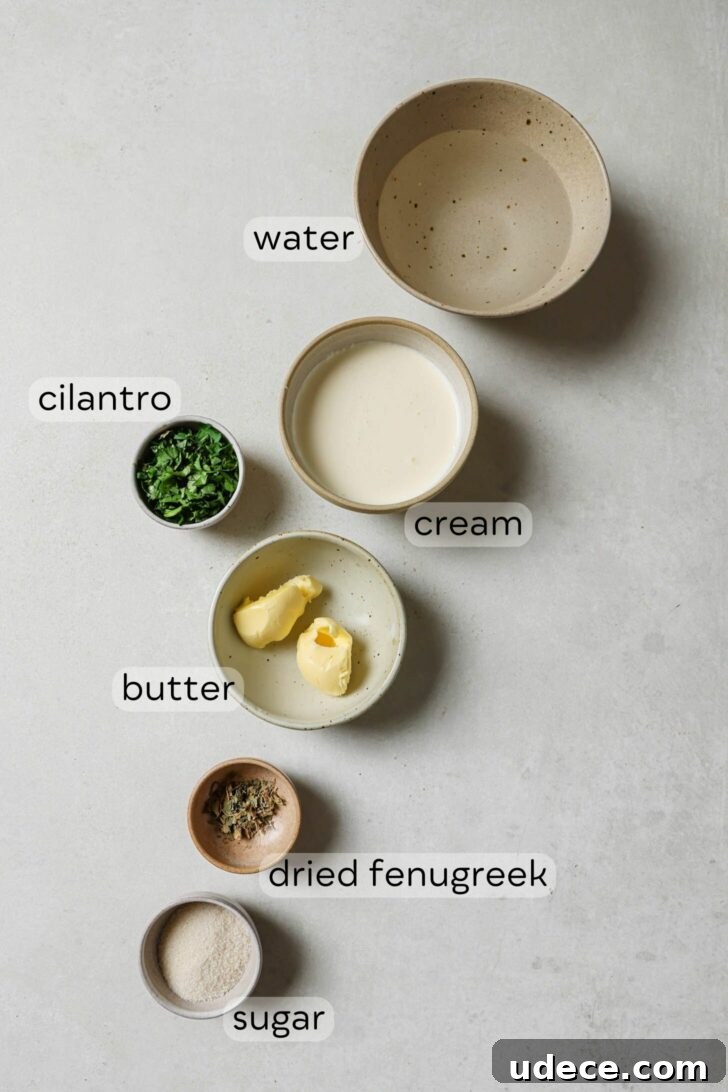
- Water: To adjust sauce consistency.
- Sugar: Balances tomato tartness and adds depth; at least 4 tsp is recommended, then adjust to taste.
- Heavy whipping cream: For the classic creamy mouthfeel; add near the end to avoid diluting the sauce.
- Salted butter: A knob at the end for richness.
- Dried fenugreek leaves (kasuri methi): Key to authentic flavor—crush between your palms before adding. If unavailable, increase cilantro.
- Cilantro: Fresh garnish for contrast and texture.
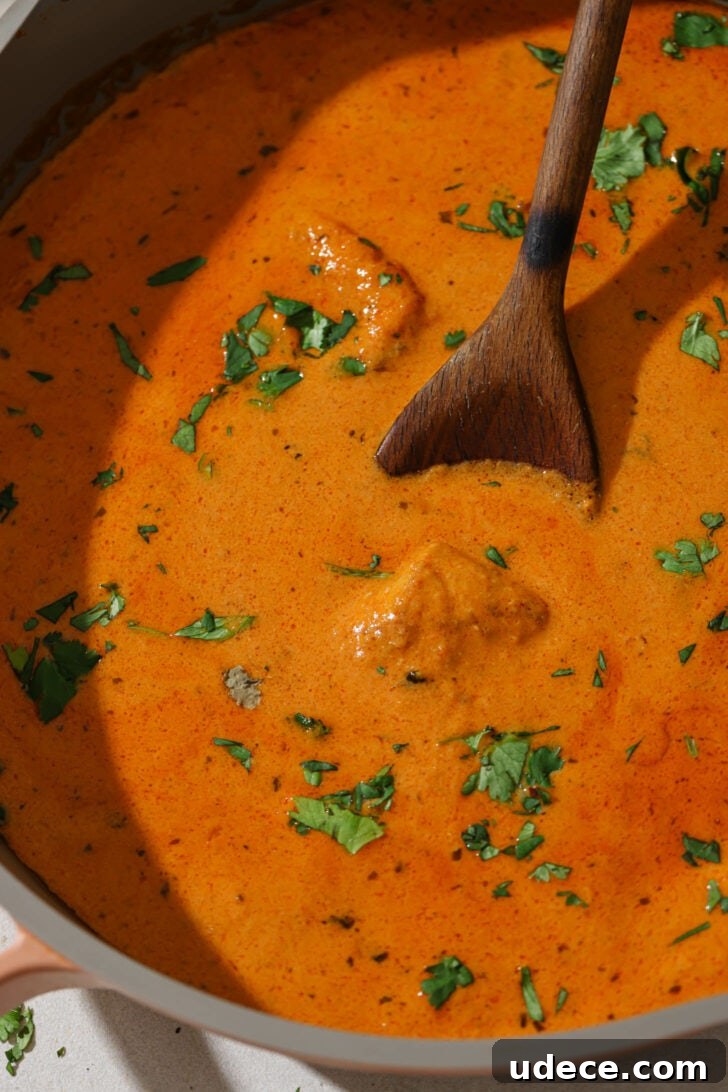
How to make Butter Chicken – Read for Tips!
Marinate Chicken
- Marinate: Mix yogurt, ground spices, dried fenugreek, salt, oil, lemon juice, and garlic (if using). Toss the chicken to coat, cover, and ideally refrigerate up to 24 hours. You can also cook soon after marinating with little difference.
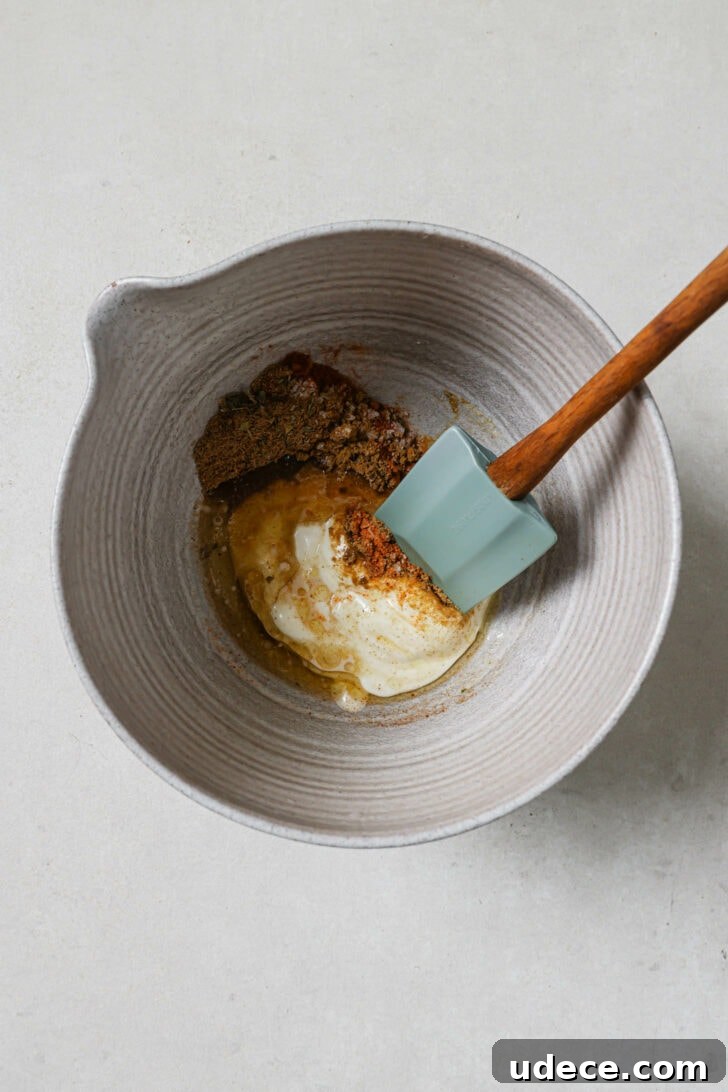
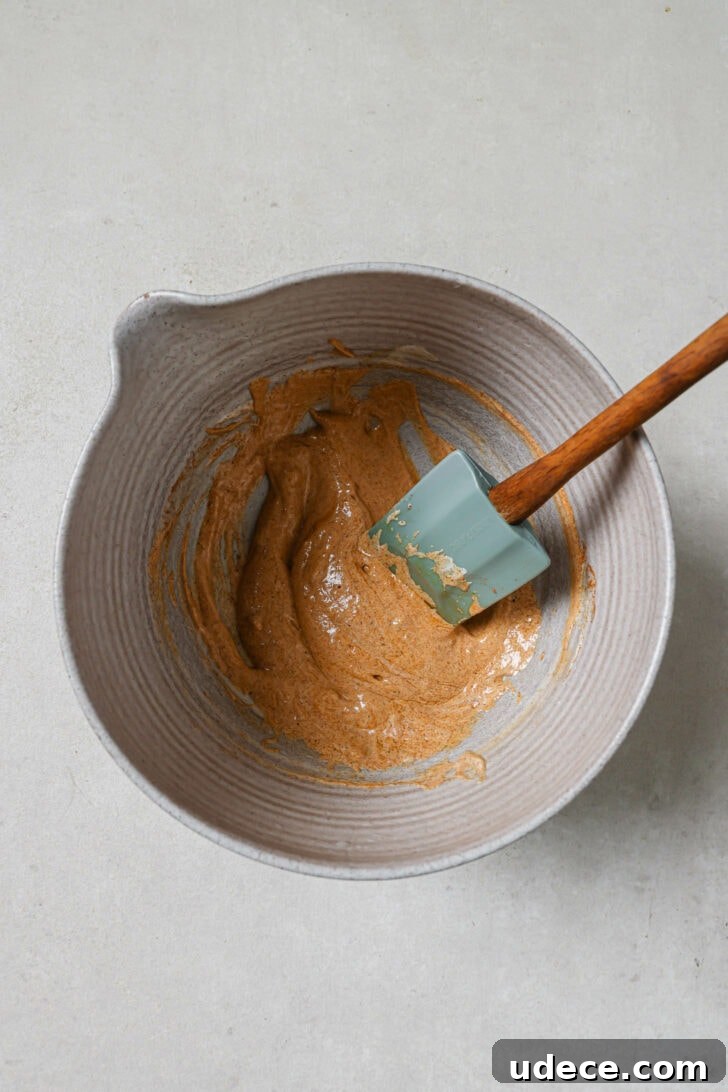
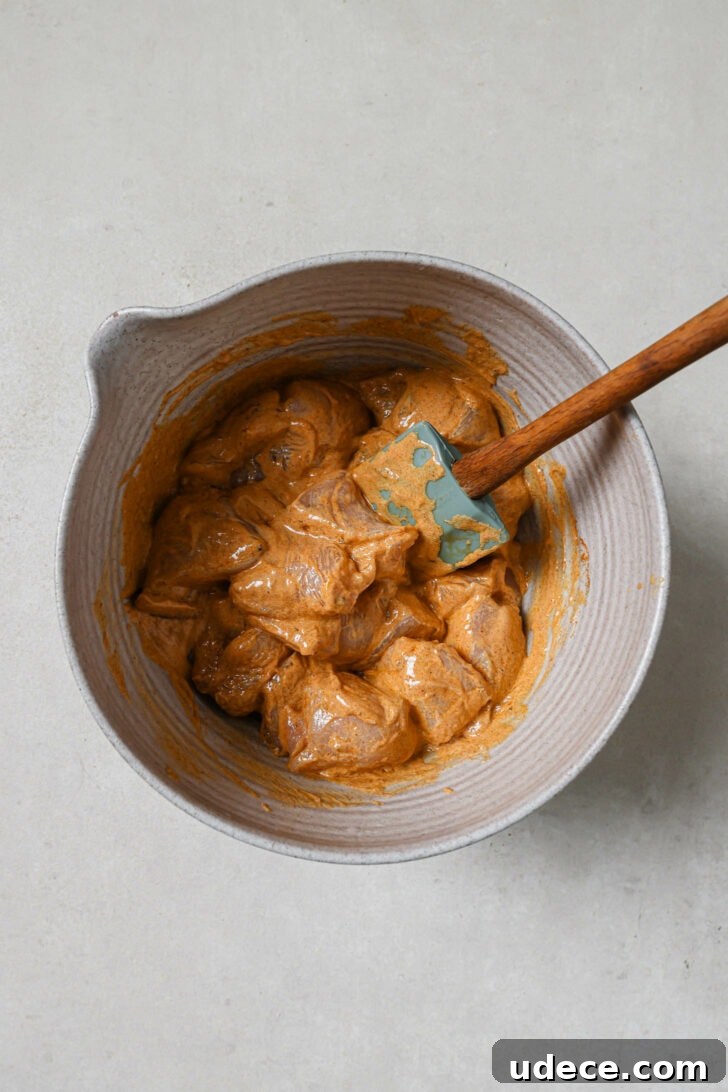
Prepare Tomato Purée (If Using Canned)
- Purée tomatoes: Drain canned whole tomatoes to remove excess liquid, then blend the solids into a smooth purée. Removing extra liquid prevents a diluted sauce.
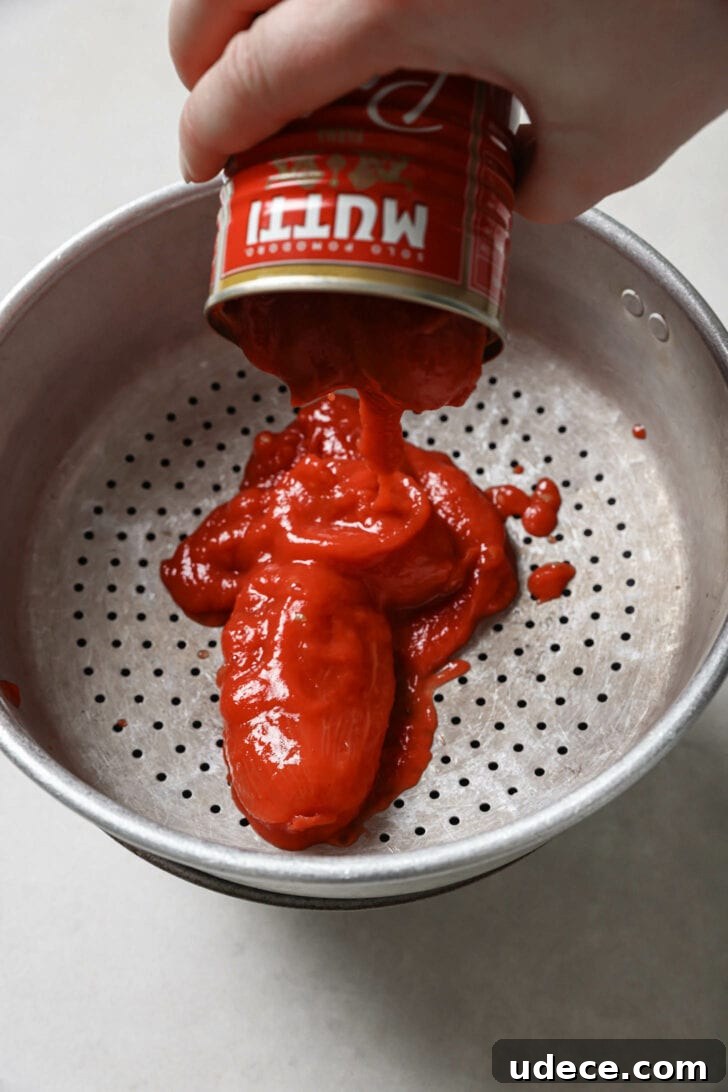
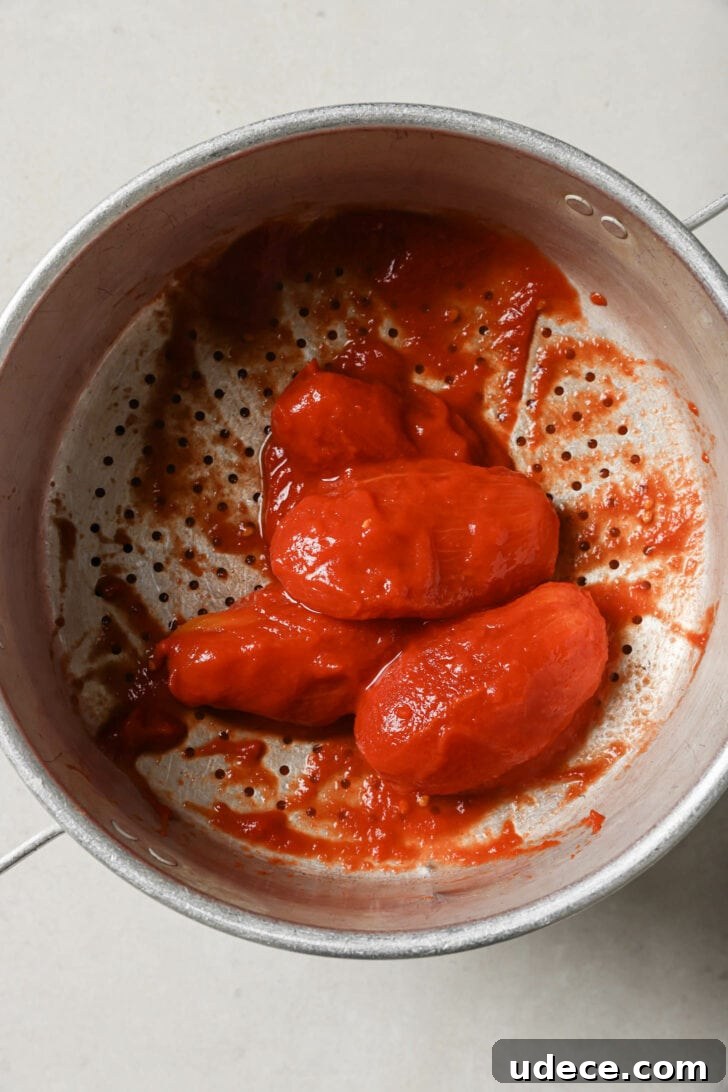
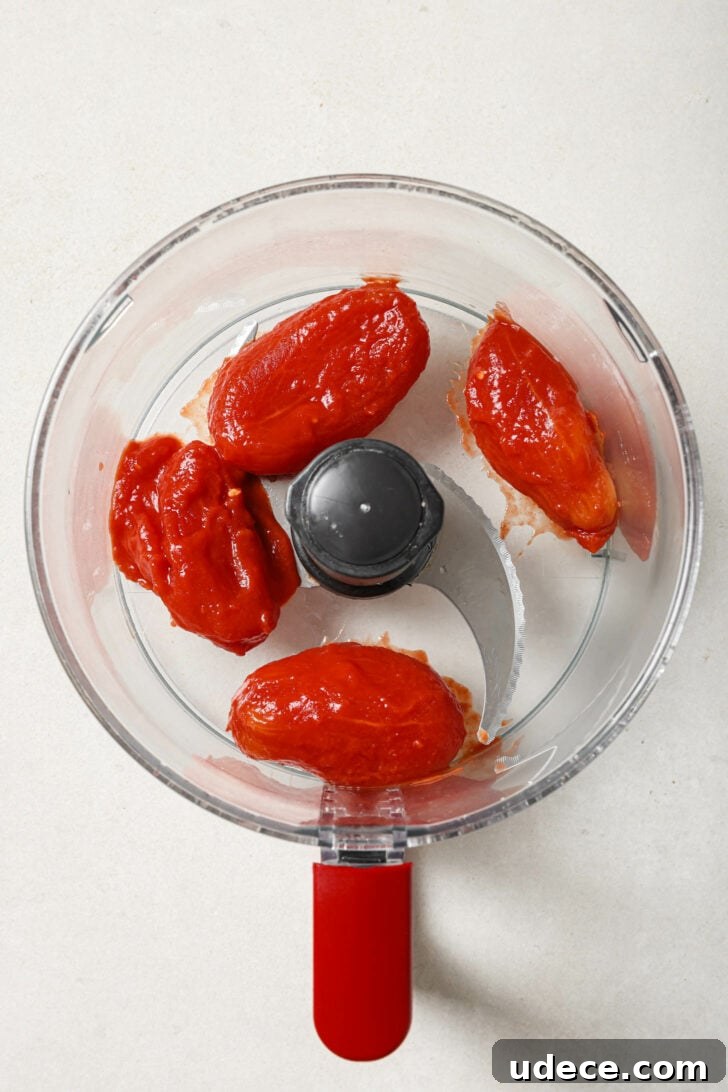
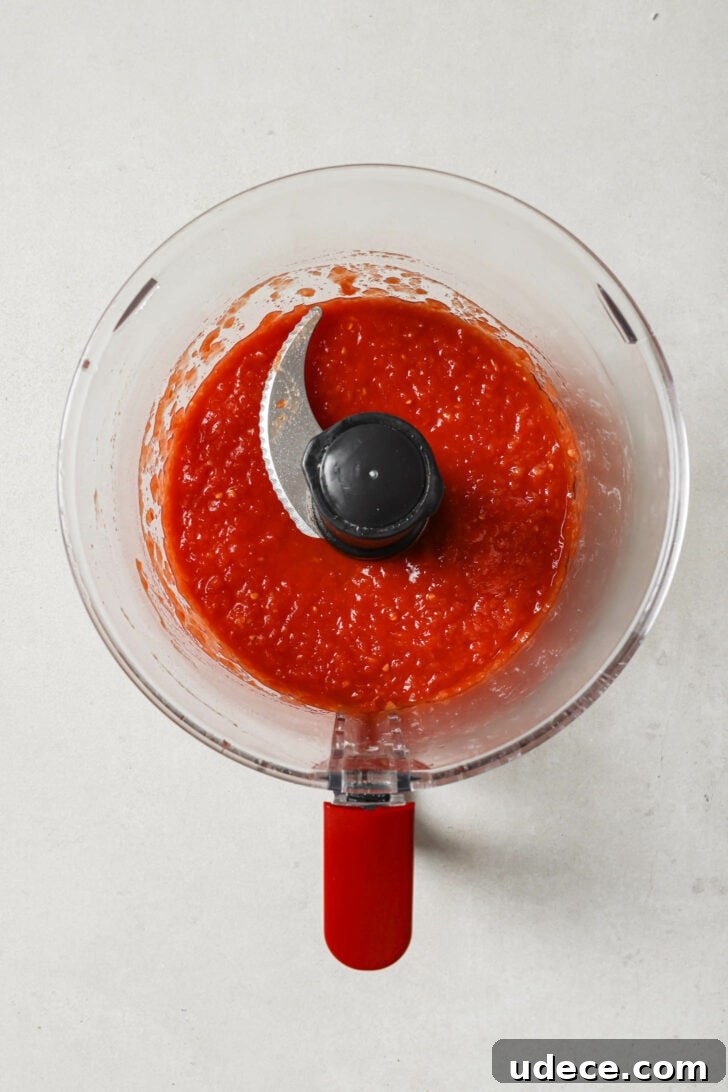
Cook Chicken
Pan choice: A nonstick pan makes searing easy without burning the butter; a stainless pan works if you add oil along with butter. Ghee can be used for a higher smoke point and cleaner sear.
- Sear, don’t fully cook: Heat butter/ghee and 1 tbsp oil over medium-high. Arrange chicken in a single layer and sear about 3 minutes on one side, flip and cook another 2 minutes. Work in batches if needed. Transfer seared pieces to a bowl and set aside.
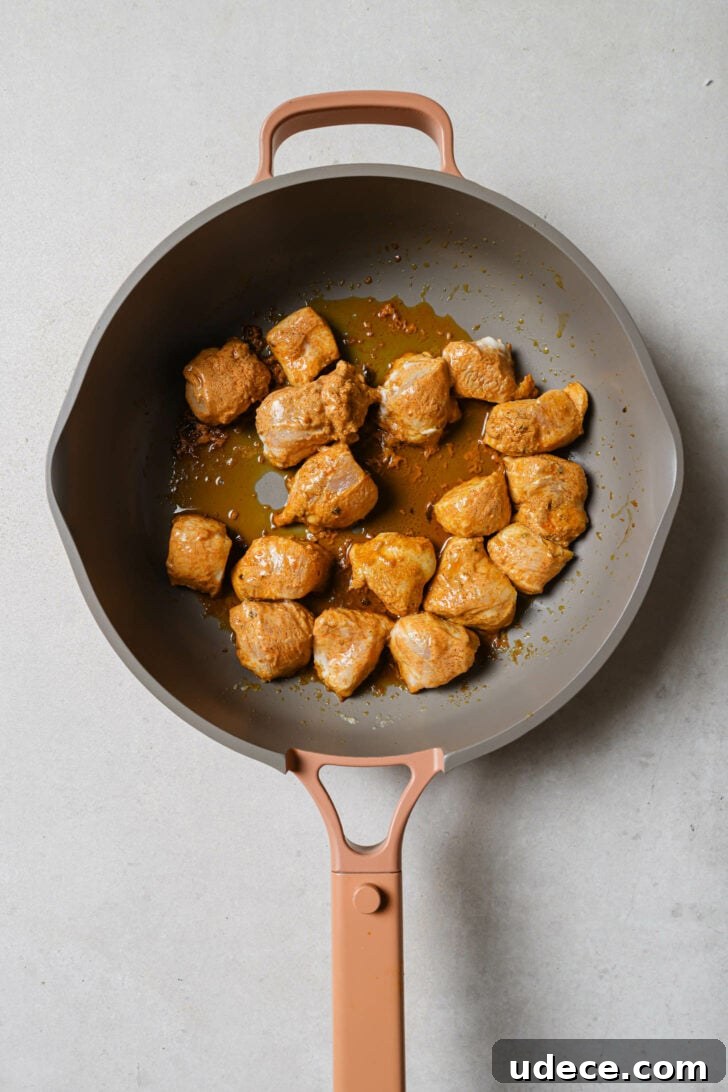
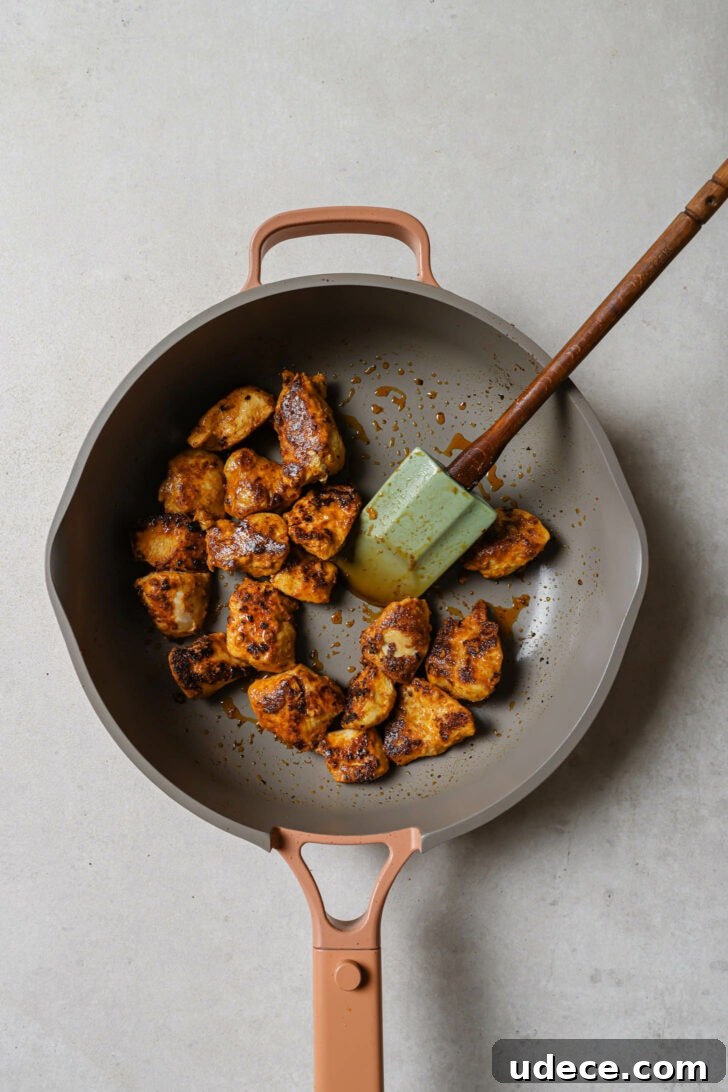
Optional broil method: For extra char and smokiness, broil the marinated chicken on a wire rack for 8–10 minutes until lightly charred. You can also finish with a controlled charcoal smoke (dhungar) outdoors for authentic smoky notes—exercise care and proper ventilation if you try that.
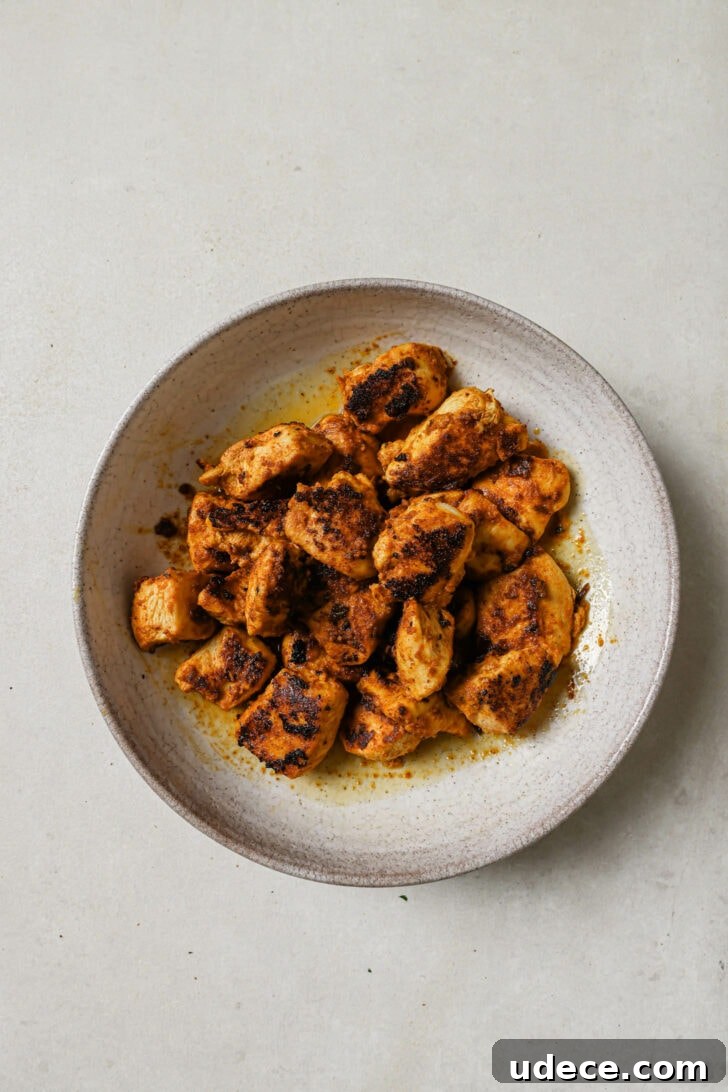
Prepare Masala
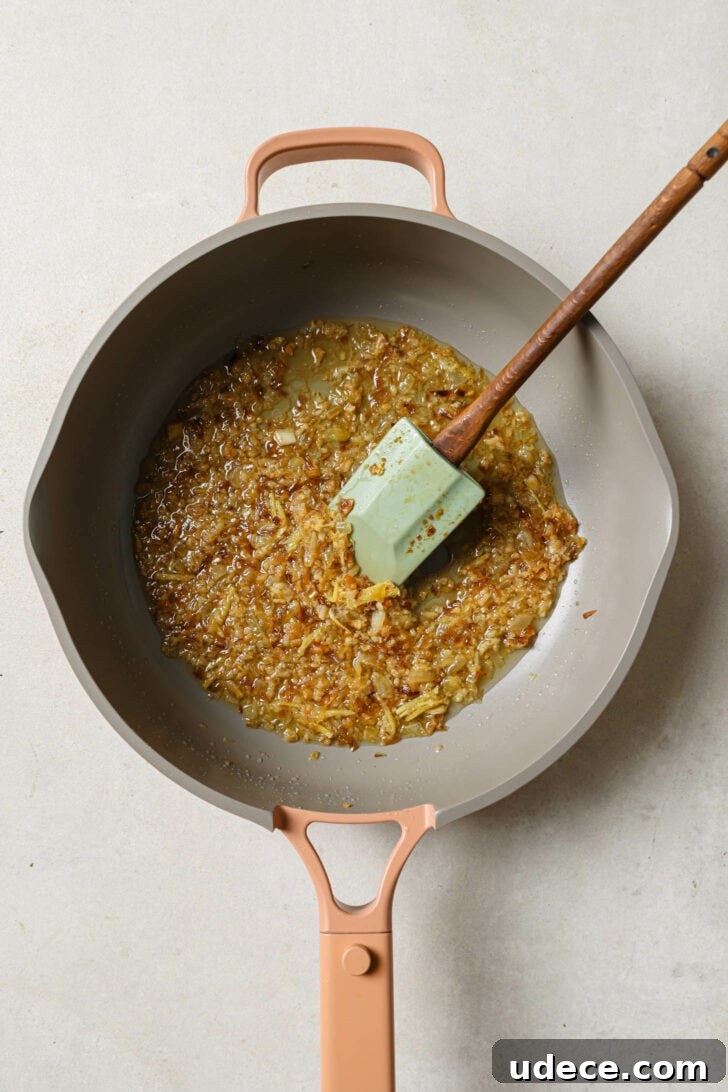
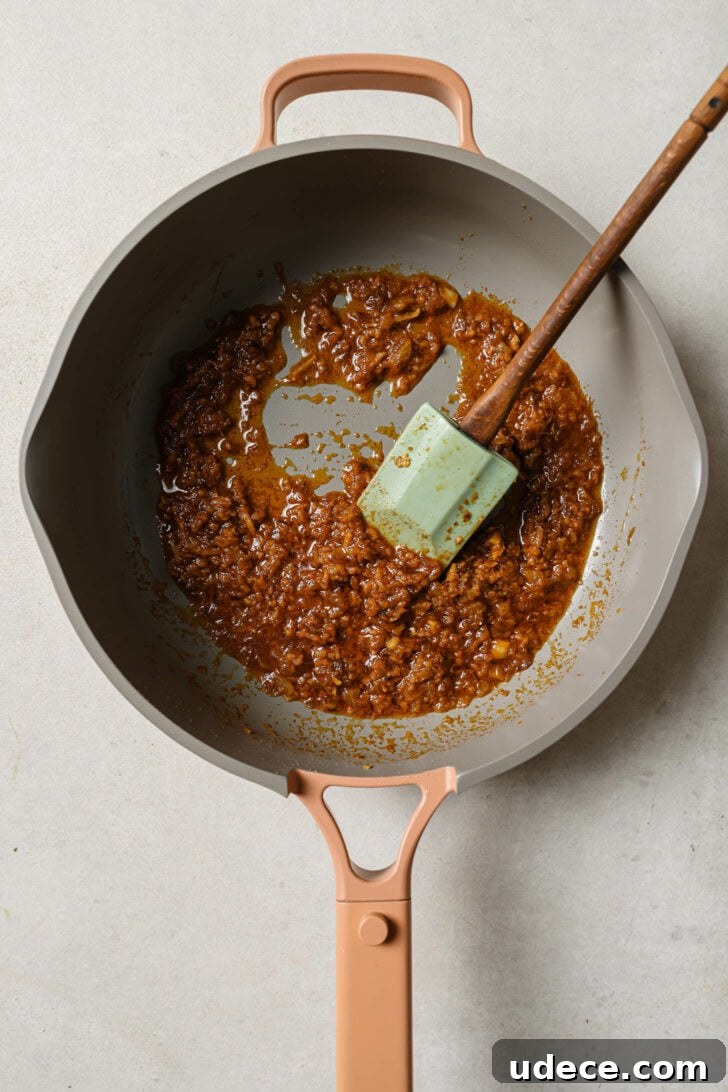
- Brown aromatics: In the same pan, heat remaining oil and sauté onions, garlic, and ginger until golden brown. Deglaze with a splash of water to lift any fond. Lower heat, then add ground spices and salt to bloom their aroma.
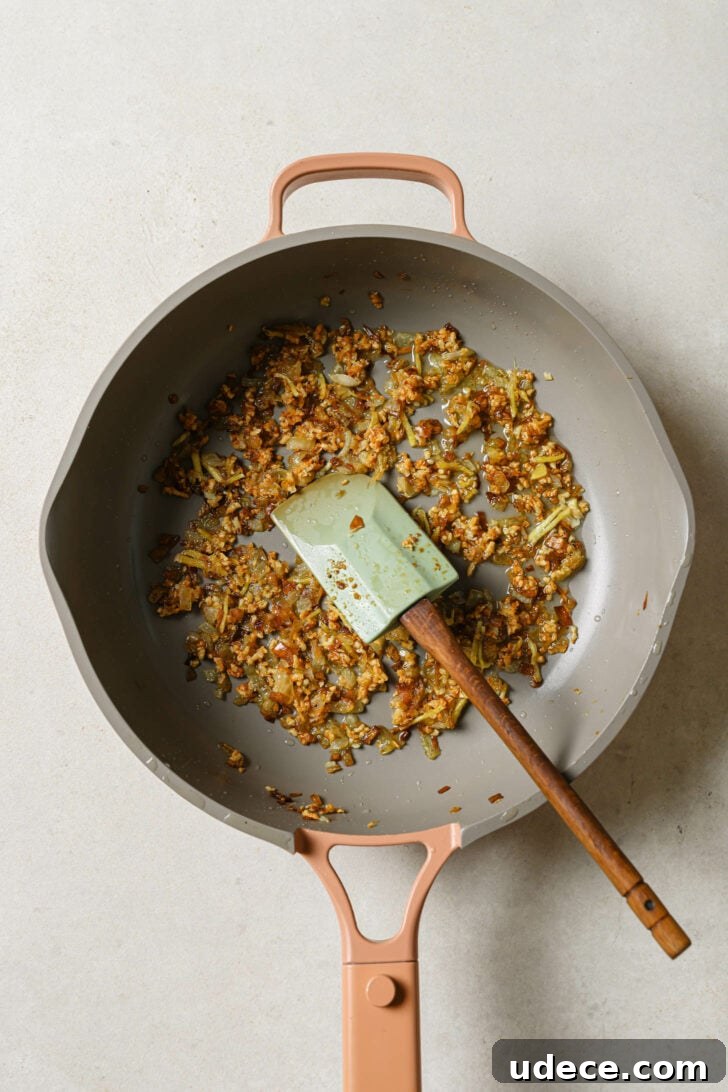
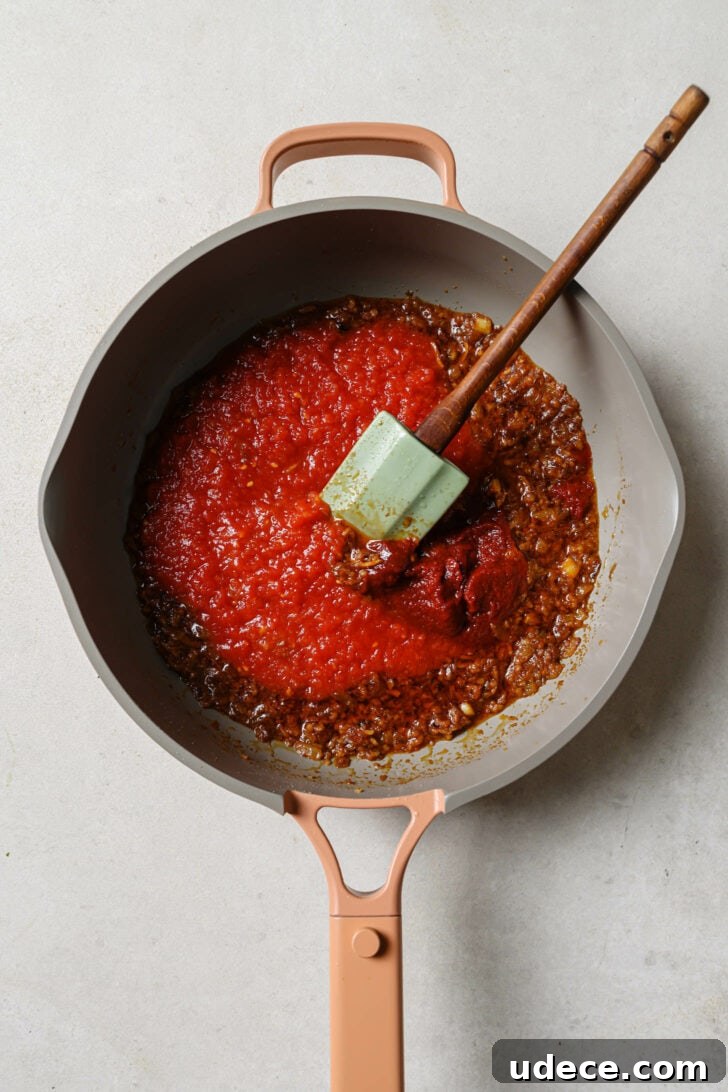
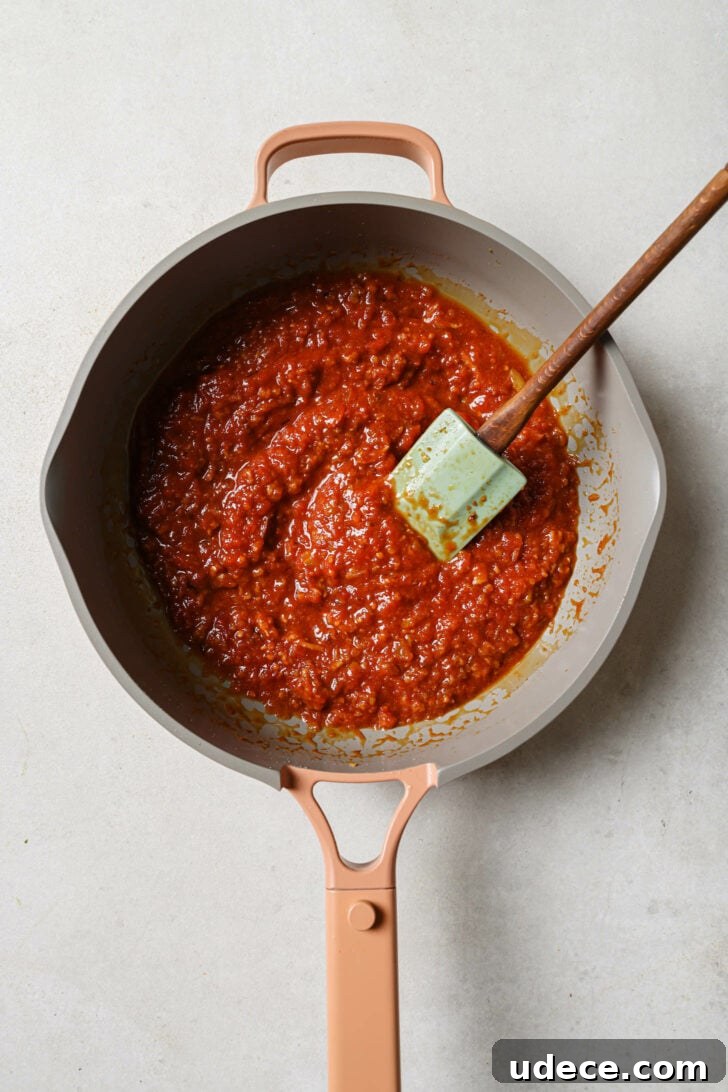
- Reduce the tomato mixture: Add tomato paste and puréed tomatoes, raise heat, and cook until the mixture reduces and oil begins to separate (the bhunai technique). This concentrates flavor and yields a rich base.
Blend Masala
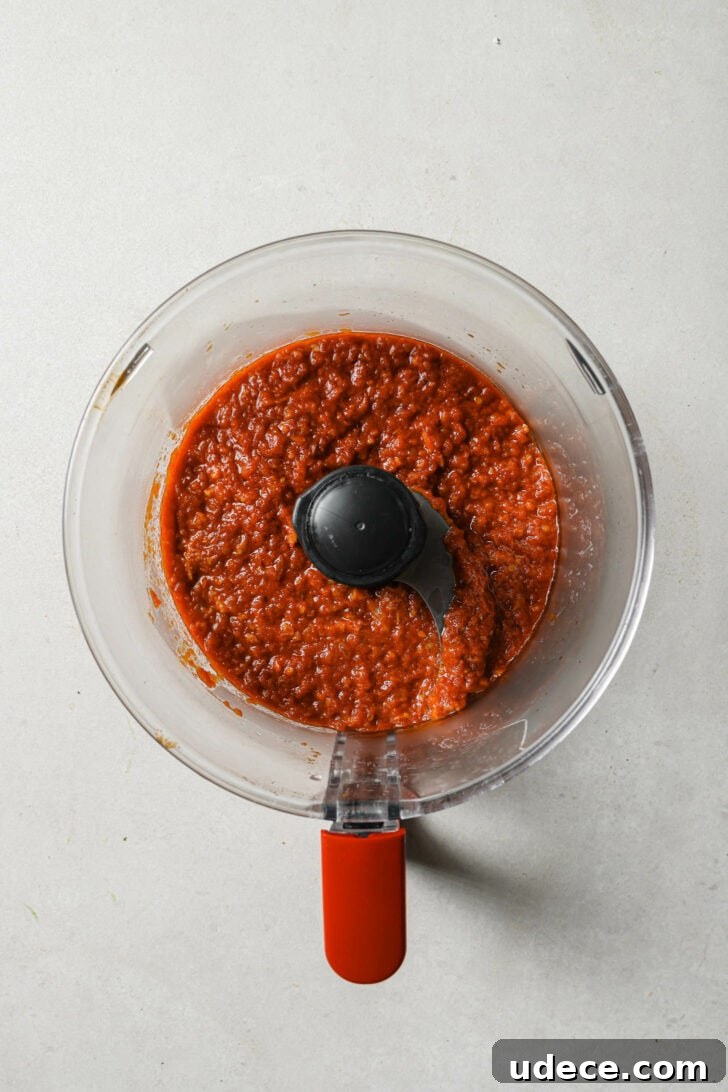
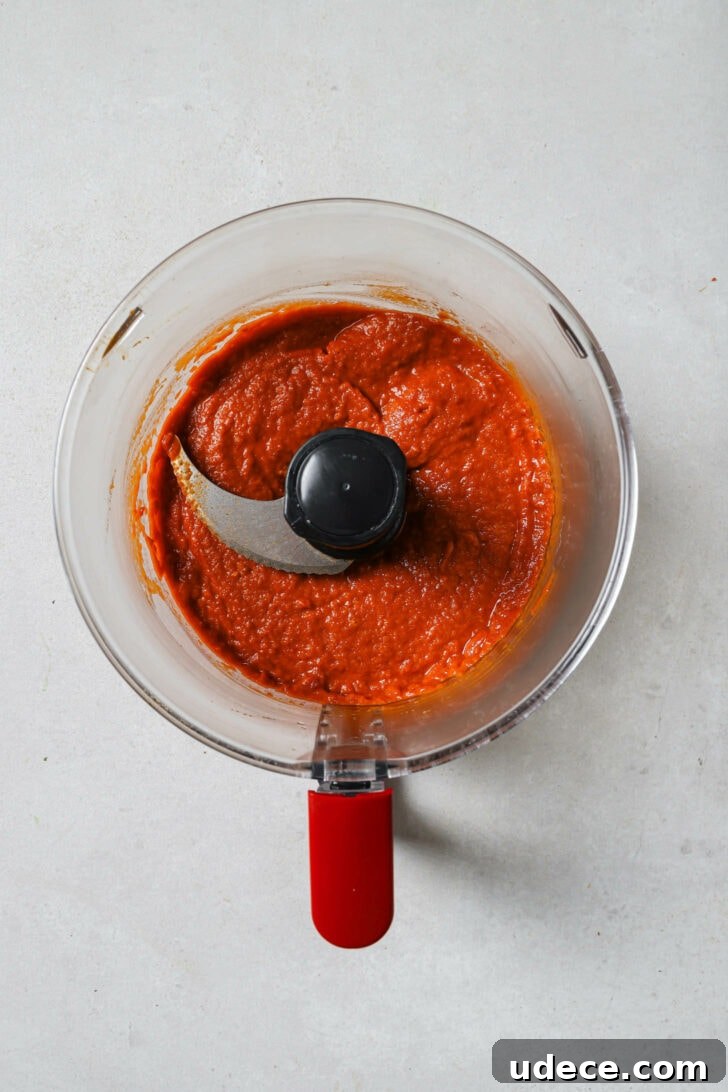
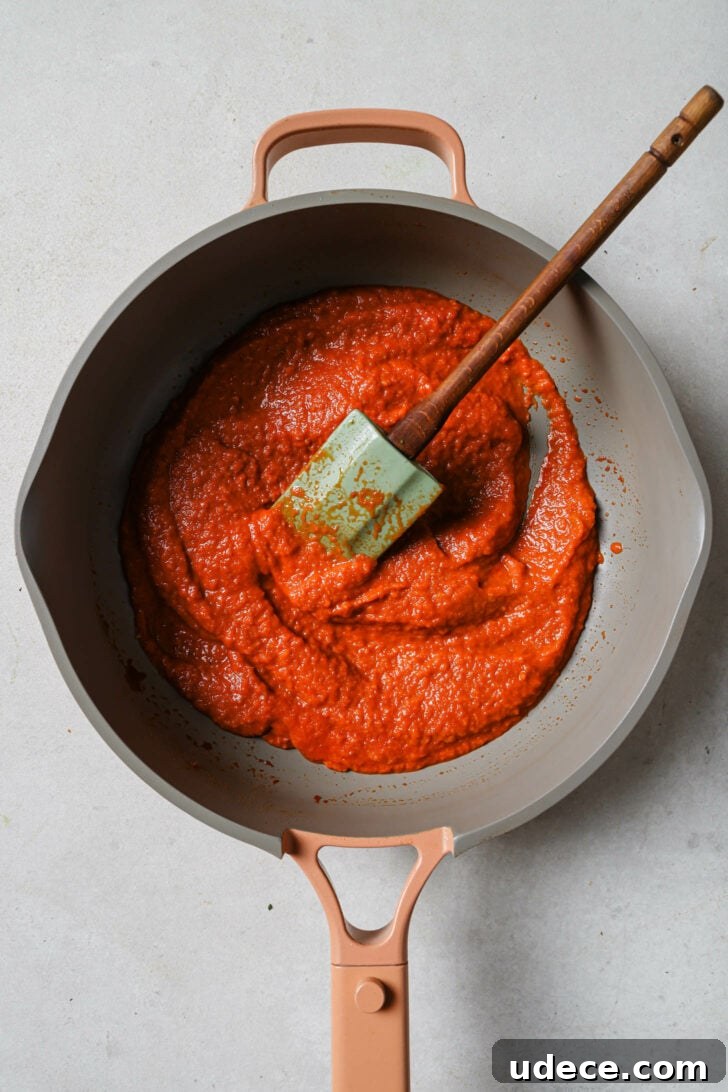
- Blend: Transfer the cooked masala to a food processor or blender and process until smooth (or slightly textured, to your preference). Return the sauce to the pan and heat gently.
Simmer Together
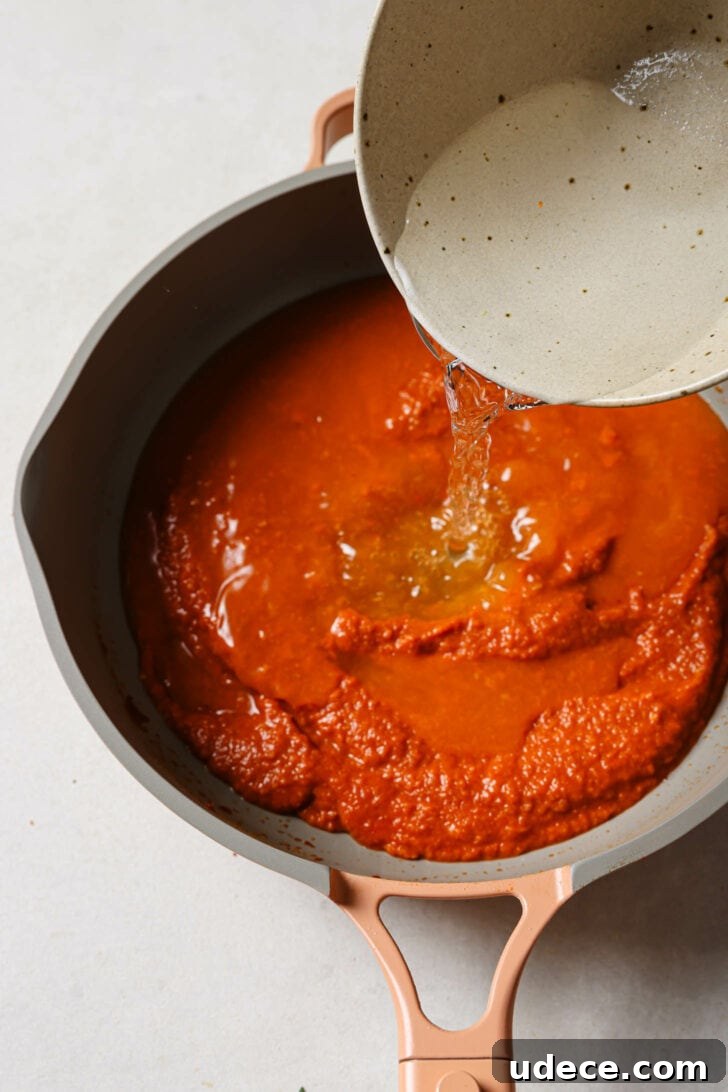
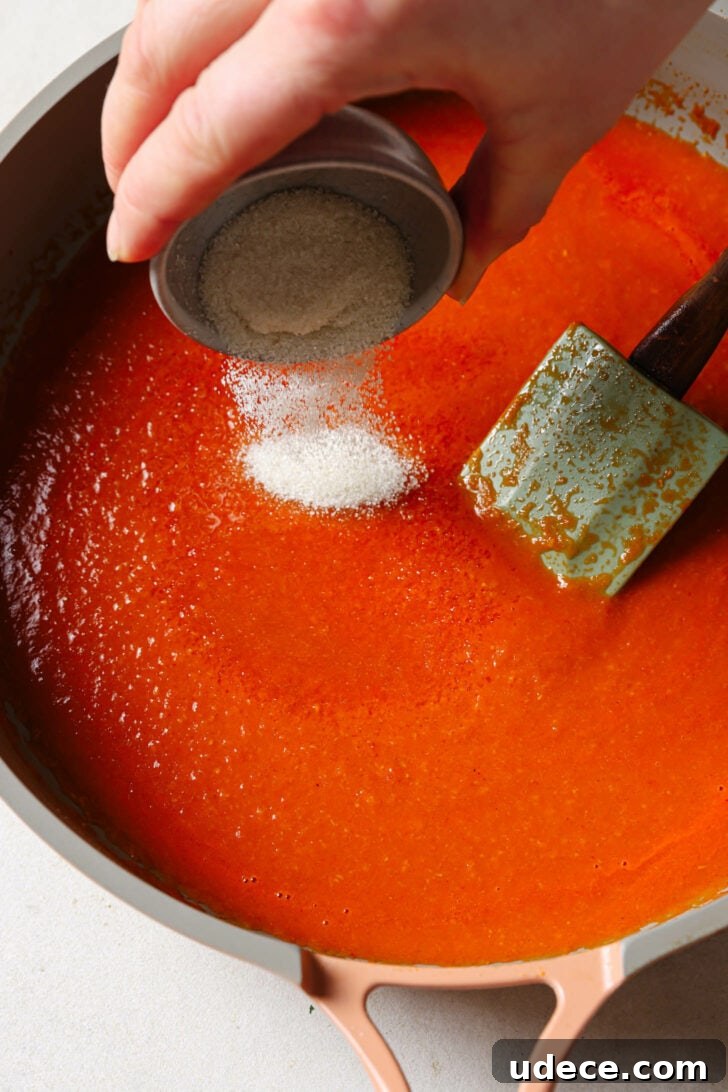
- Add water and sugar: Stir in water and sugar; the sauce will taste slightly sweet at first but will settle into a balanced profile as it simmers.
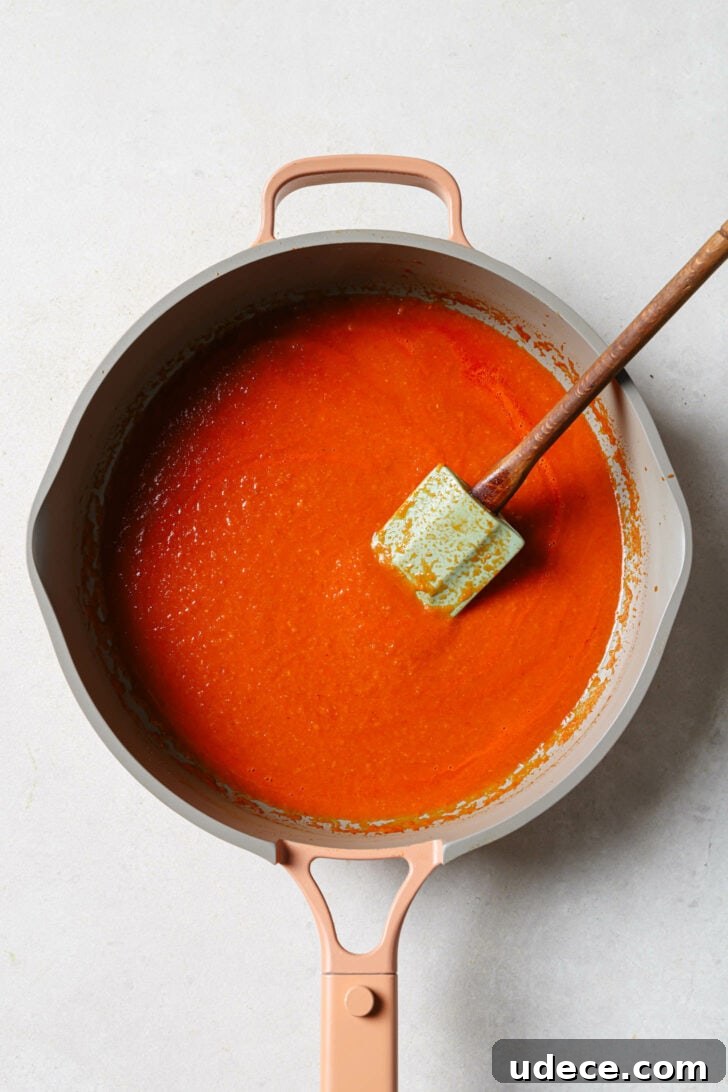
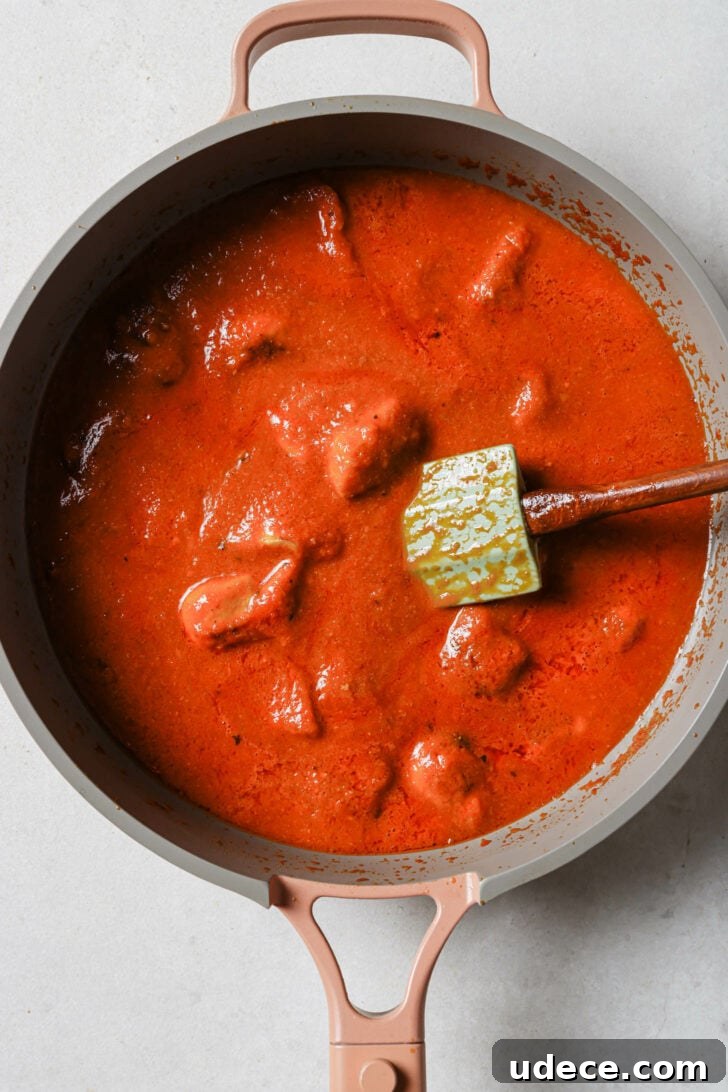
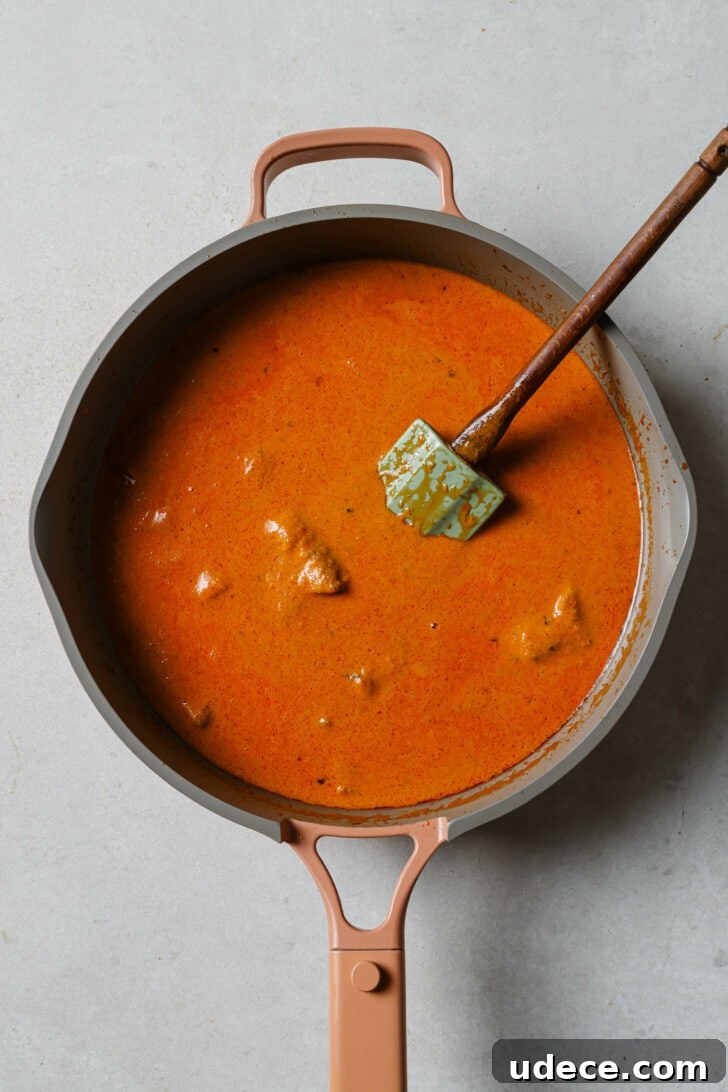
- Simmer with chicken: Add the seared chicken and any accumulated juices. Cover and simmer, stirring once, for about 7 minutes until the chicken is cooked through and oil begins to rise to the surface.
Add Finishing Ingredients
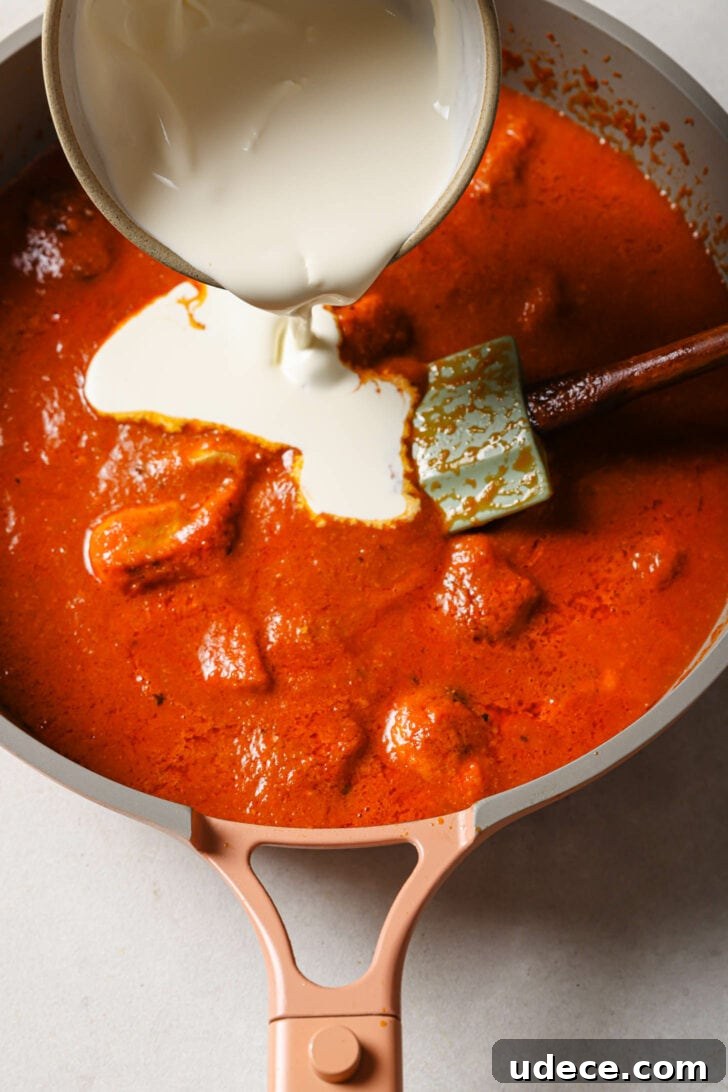
- Cream: Stir in heavy cream just before serving and bring to a gentle simmer briefly. Avoid prolonged boiling to keep the cream silky; add more water if you want a thinner sauce.
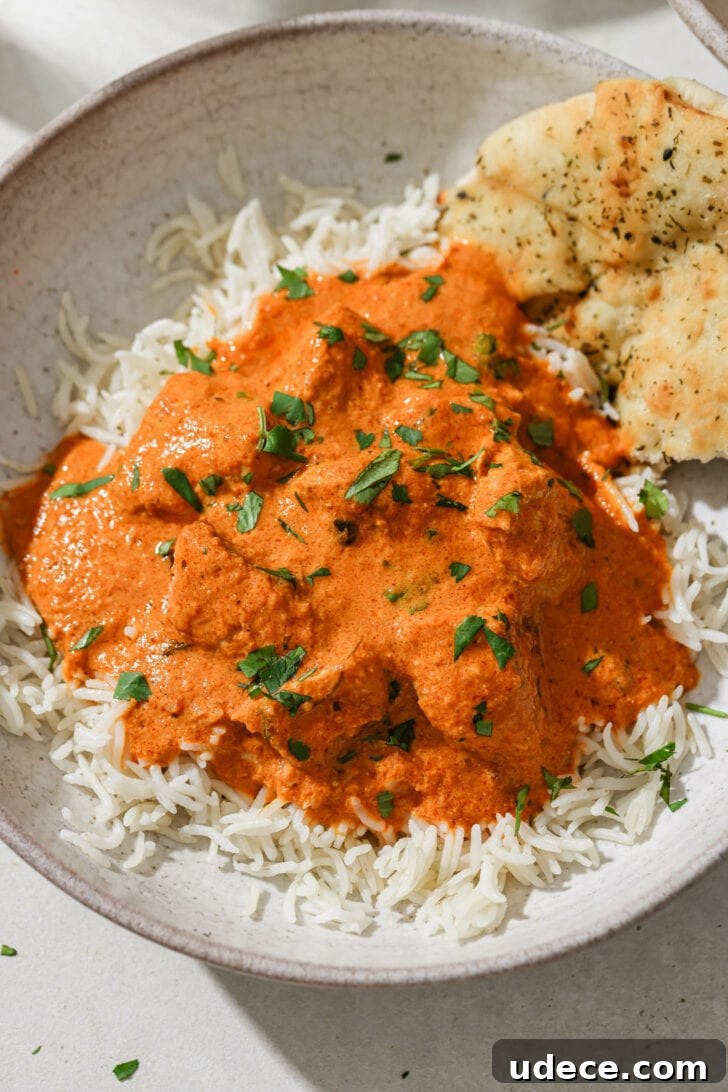
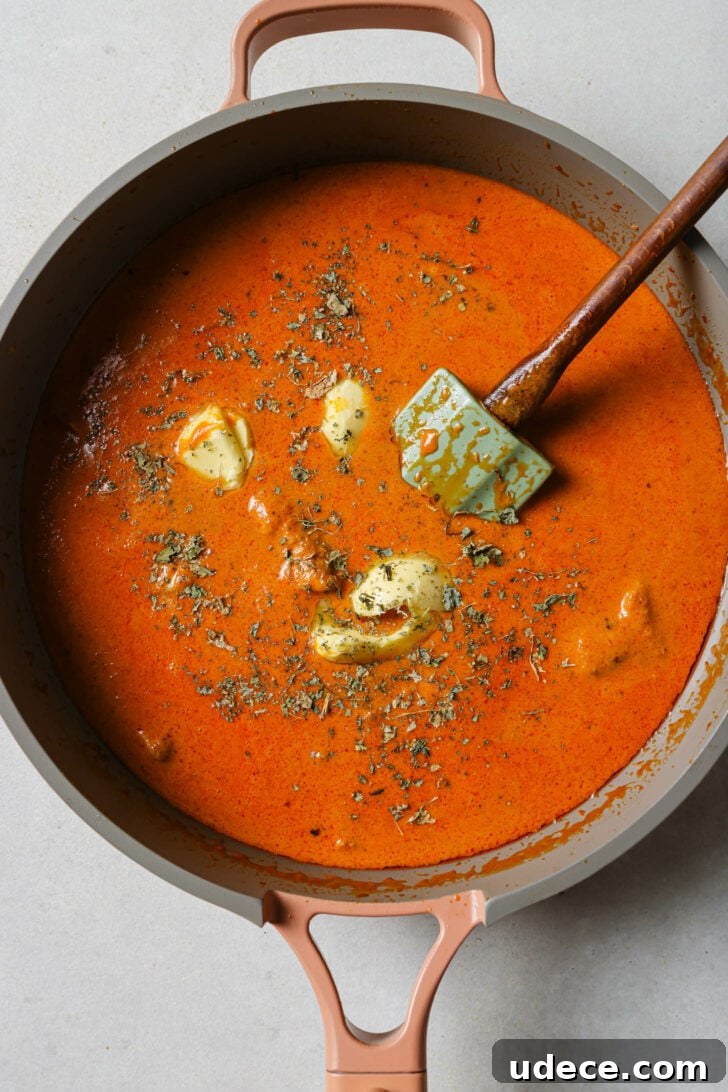
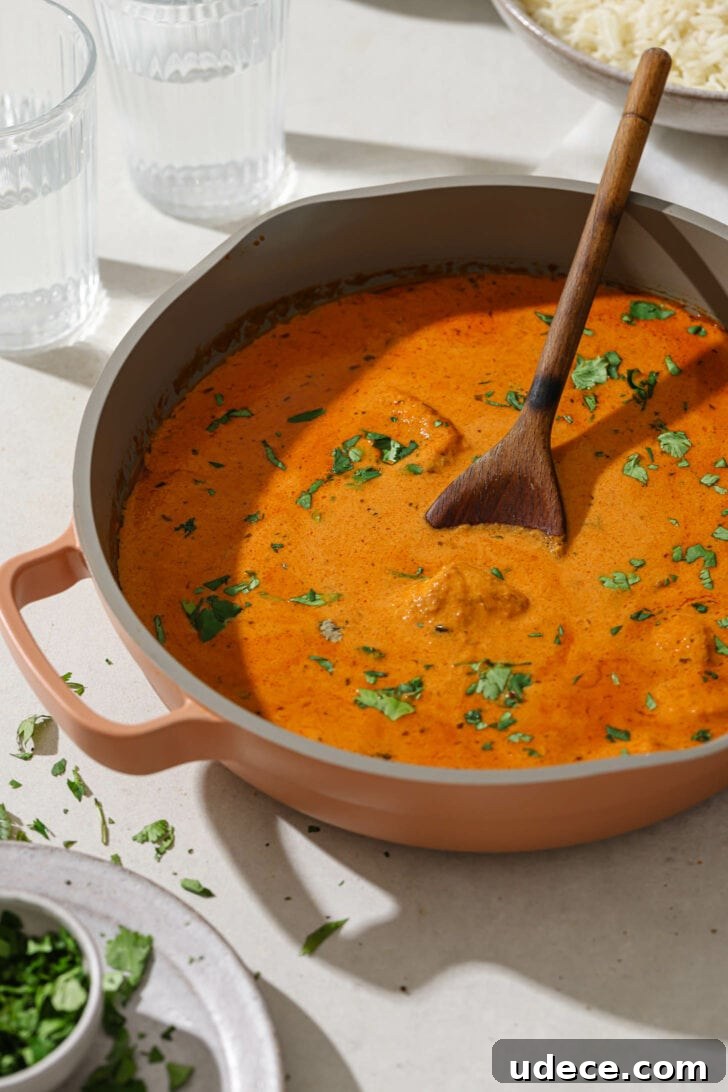
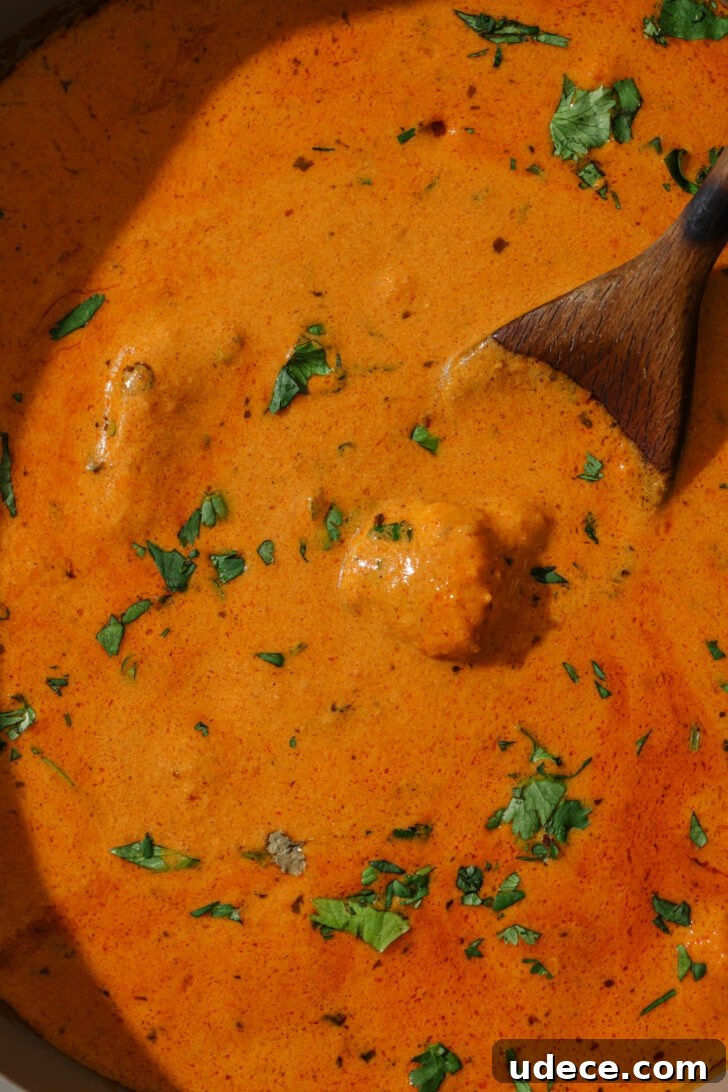
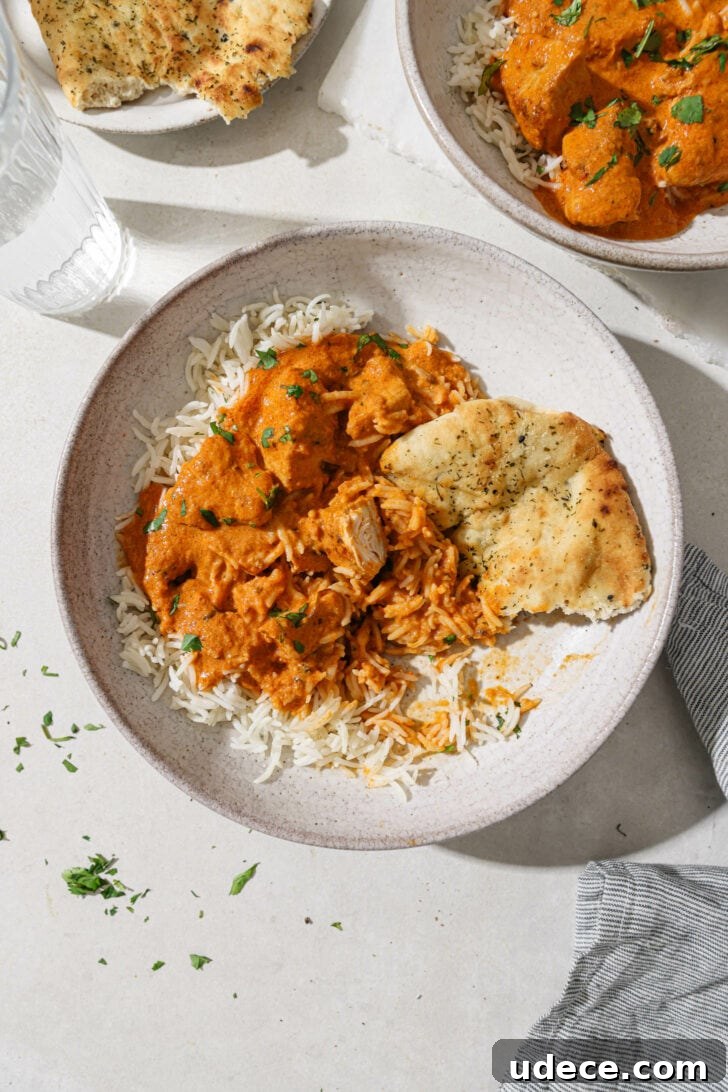
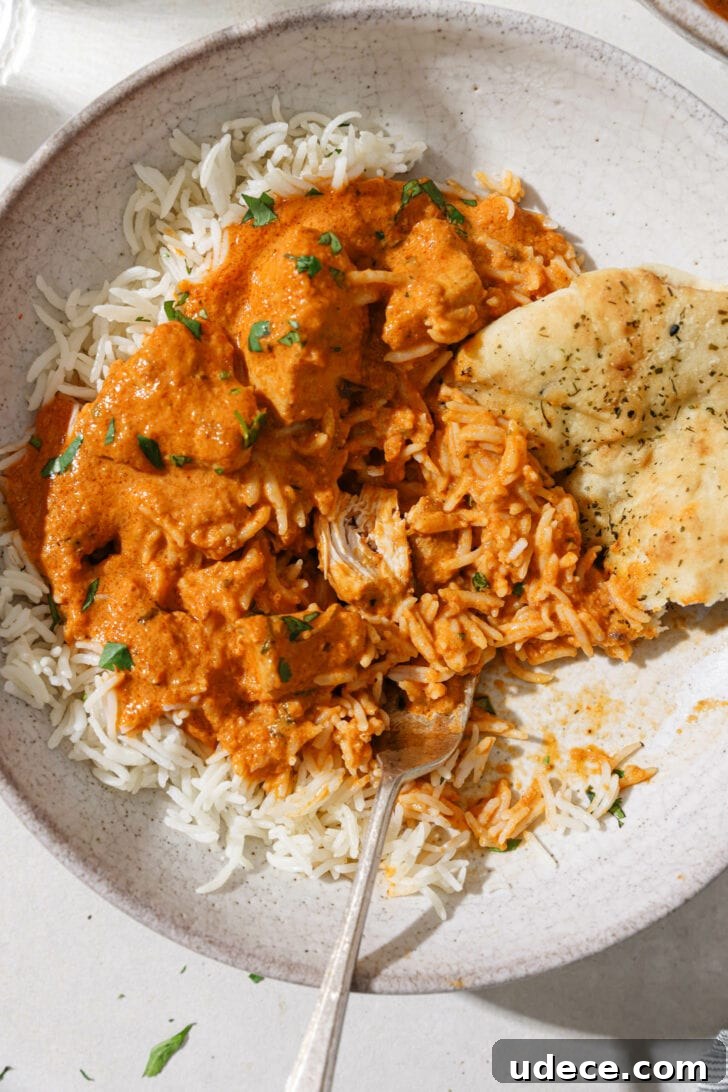
- Garnish: Stir in crushed kasuri methi and butter, then finish with chopped cilantro and an optional drizzle of cream. Serve immediately with naan and basmati rice.
What to Serve with Butter Chicken
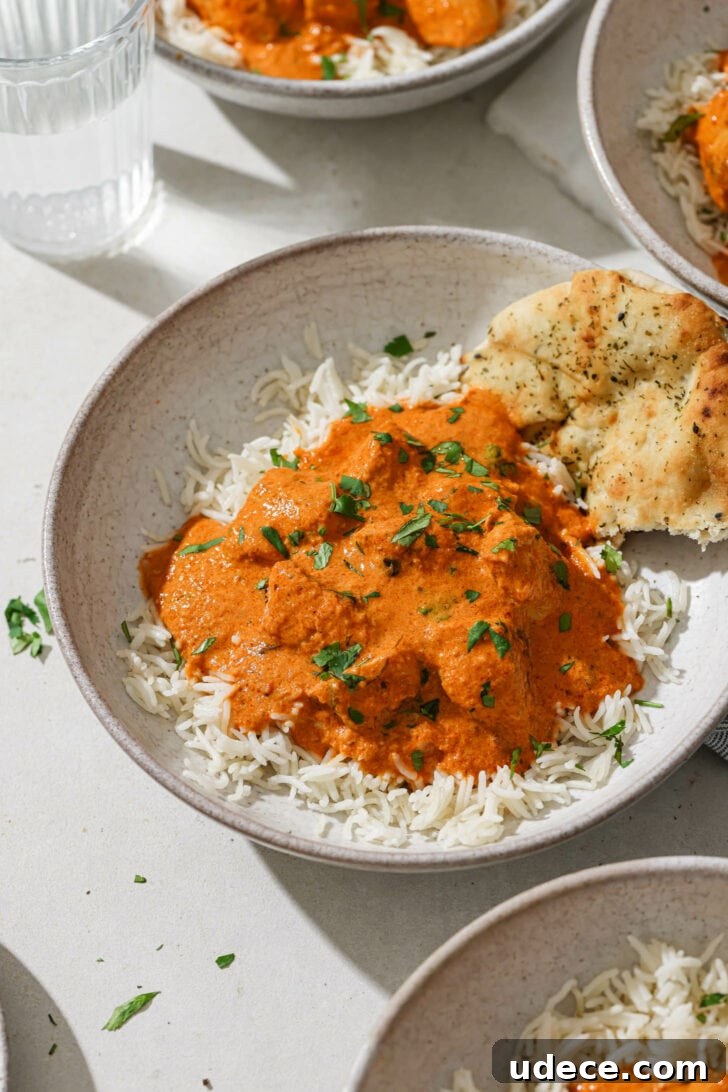
Basmati rice and buttered or garlic naan are classic pairings. Frozen store-bought naan is a convenient option that pairs perfectly with this sauce.
How to Store and Re-heat
- Refrigerate for 2–3 days or freeze for up to 6 weeks.
- If making ahead, add the cream right before serving for the best texture.
- Reheat gently on the stovetop with a splash of water until simmering, or microwave until heated through.
Did you try this Butter Chicken? If so, please leave a comment about how it turned out or tag the author on social media to share your results.