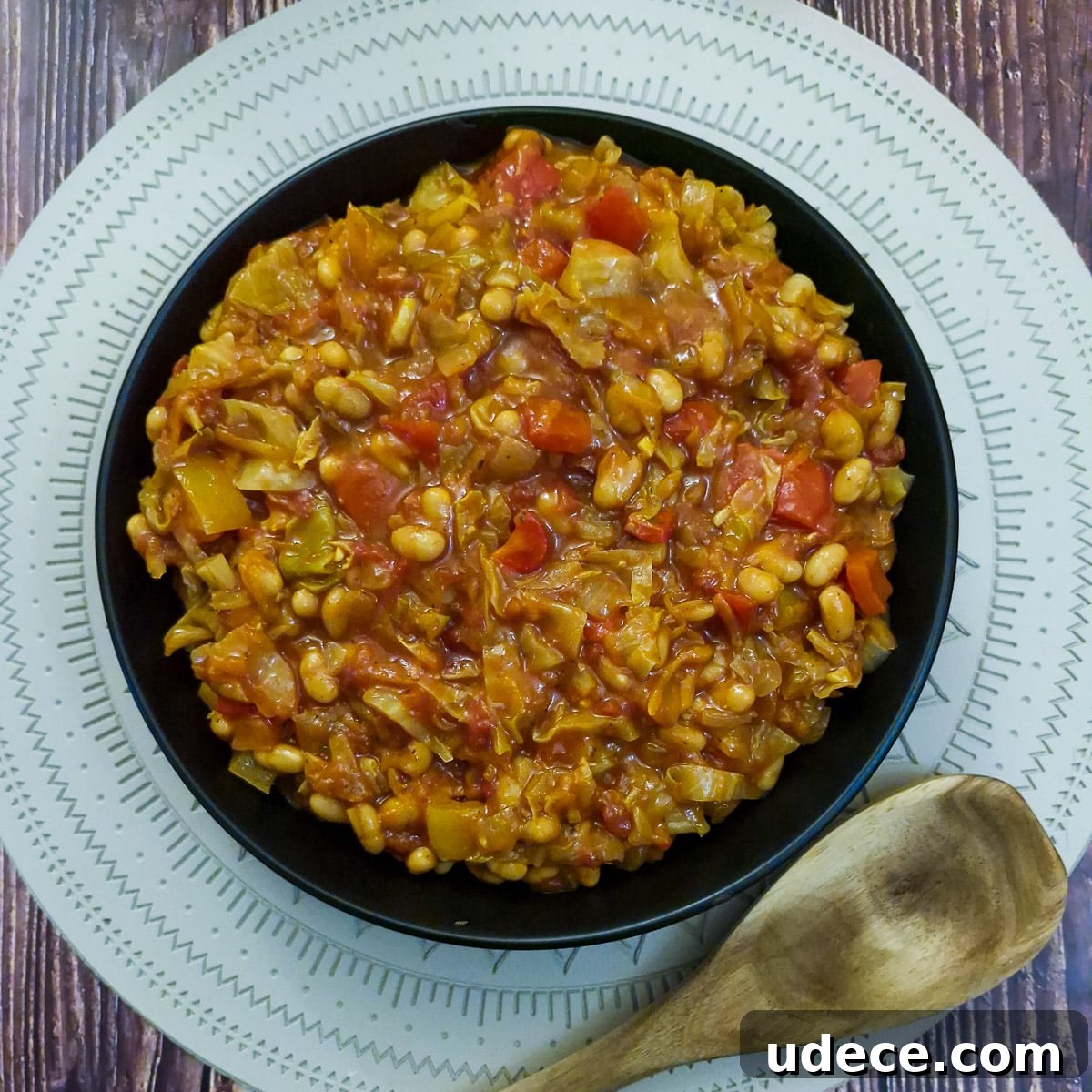
Bring a taste of South Africa to your table with this easy chakalaka recipe — an iconic spicy vegetable relish. Quick to prepare and full of fresh vegetables and warming spices, chakalaka is a versatile side that works brilliantly with a braai (barbecue), grilled meats, sausages or roast chicken.
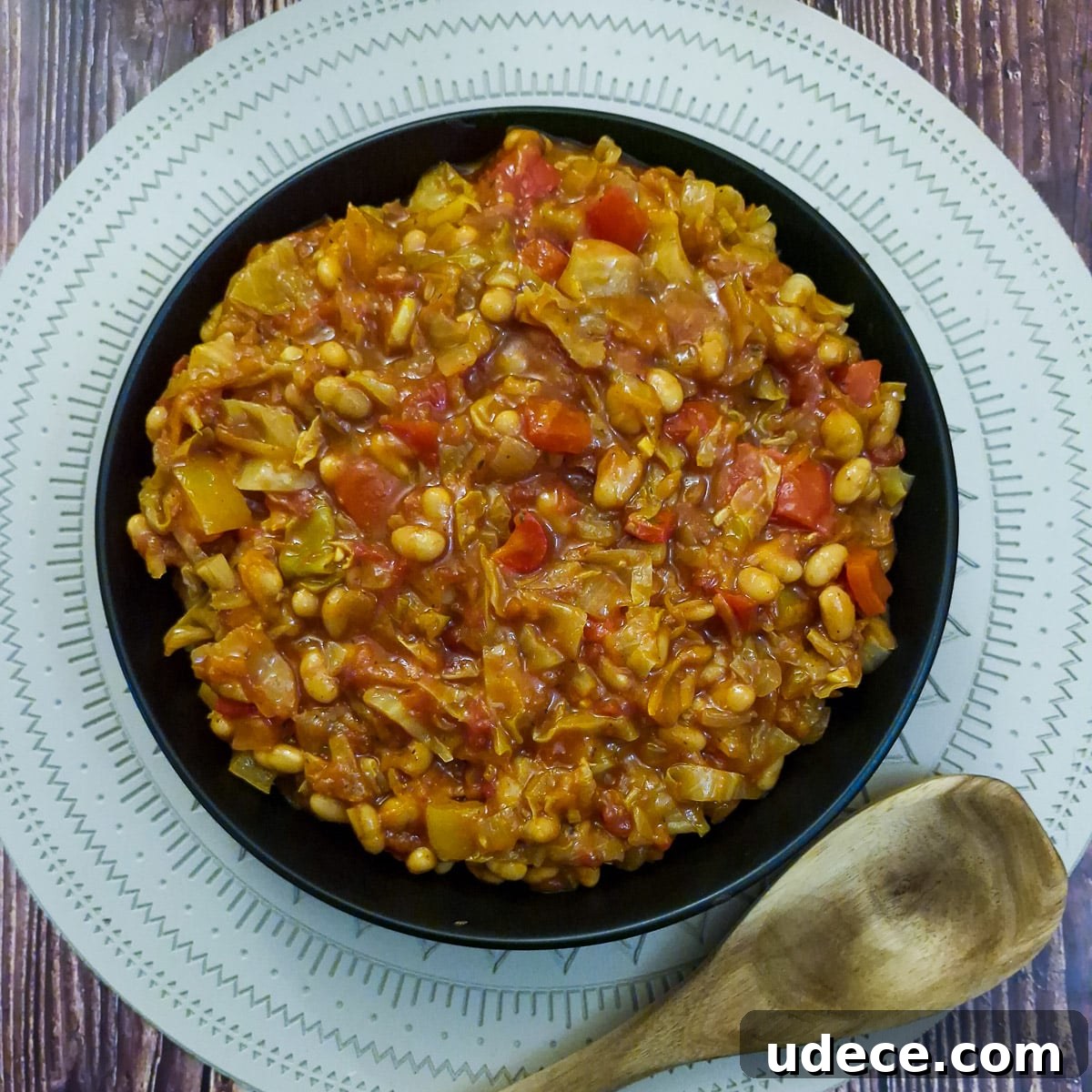
Every South African family seems to have its own version of chakalaka. Traditionally served with pap (maize porridge similar to polenta), this bright, chunky relish is also a natural companion to rice, mashed potatoes or crusty bread. The name chakalaka likely comes from Zulu slang meaning “thrown together,” which reflects its origins as a quick, improvised dish made from whatever vegetables and spices were on hand.
The base ingredients are straightforward: onions, carrots, bell peppers and tomatoes, flavoured with garlic, ginger and curry powder. The addition of a can of baked beans in tomato sauce gives the relish a rich, slightly sweet tomato base and a creamy texture that deepens the overall flavour. If you prefer, you can swap the baked beans for drained kidney beans or chickpeas — if you do, add a tablespoon of tomato puree to boost the tomato flavour.
Chakalaka can be made hotter or milder to suit your taste. This version keeps the heat moderate by using a small amount of cayenne or dried chilli rather than fresh chillies, but feel free to add more spice if you like it fiery. I often include shredded cabbage here, but you can easily substitute green beans, peas, corn or cubes of butternut squash. Herbs such as thyme, oregano, coriander or parsley all work well too.
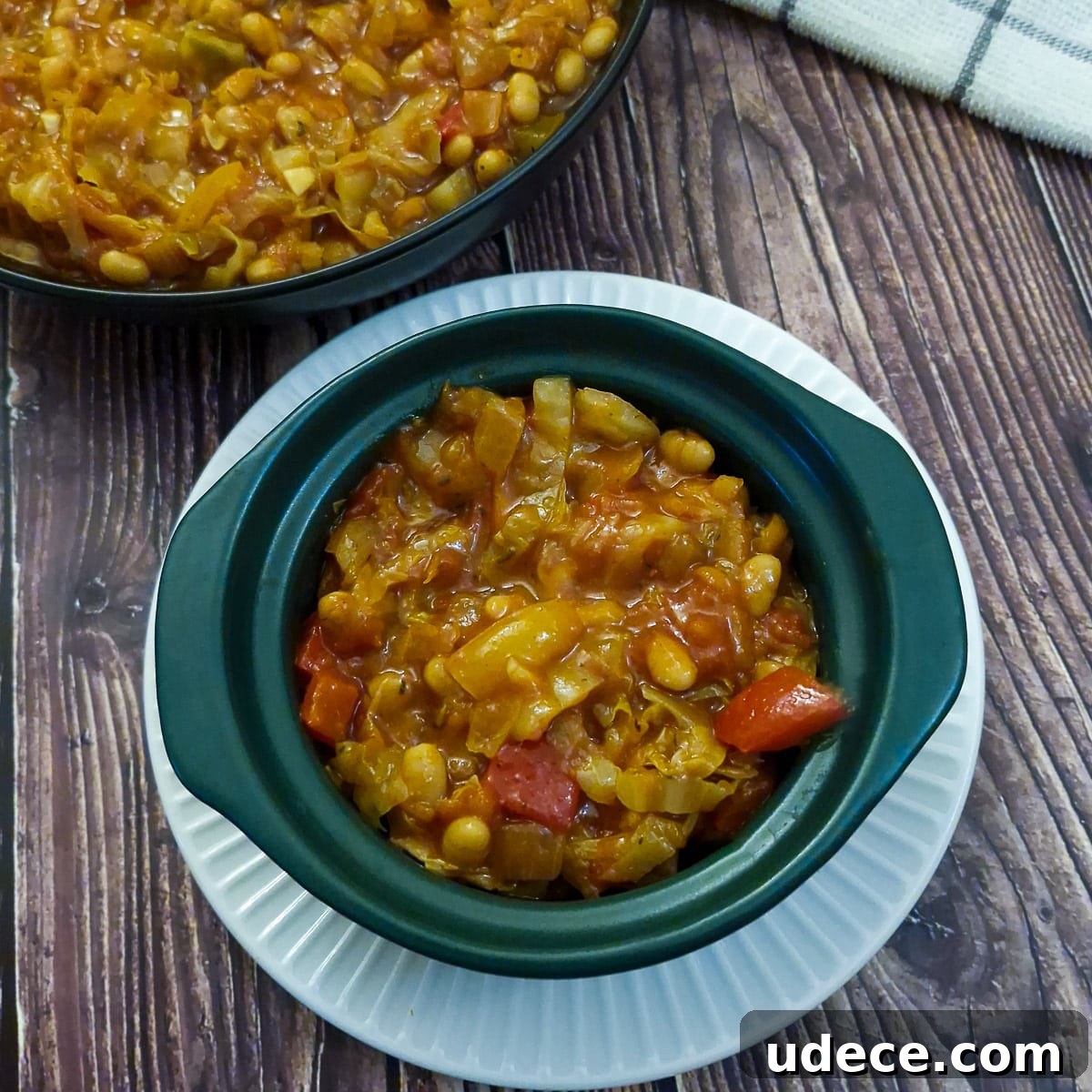
Why you should try this recipe
Chakalaka is beloved for many good reasons:
- Quick and simple – ready in about 30 minutes using basic pantry ingredients.
- Highly customisable – adapt the vegetables and spices to what you have available.
- Authentic South African – a traditional staple at braais and family meals.
- Versatile – serves as a side for pap, rice or potatoes, pairs with grilled meats, or becomes a vegetarian main with bread.
- Keeps well – flavours improve after resting, so it’s great for making ahead and refrigerating for a few days.
- Freezes easily – portion and freeze for later; thaw to add bright flavour to stews or casseroles.
One of the best things about chakalaka is that it’s a great way to use up vegetables that are nearing the end of their shelf life.
Recipe information
Prep time: 10 minutes
Cook time: 20 minutes
Yield: Serves 8–10 as a side. Halve the ingredients for a smaller batch.
Ingredients for chakalaka
You can find exact quantities in the recipe card below. This list shows the main components and suggested substitutions.
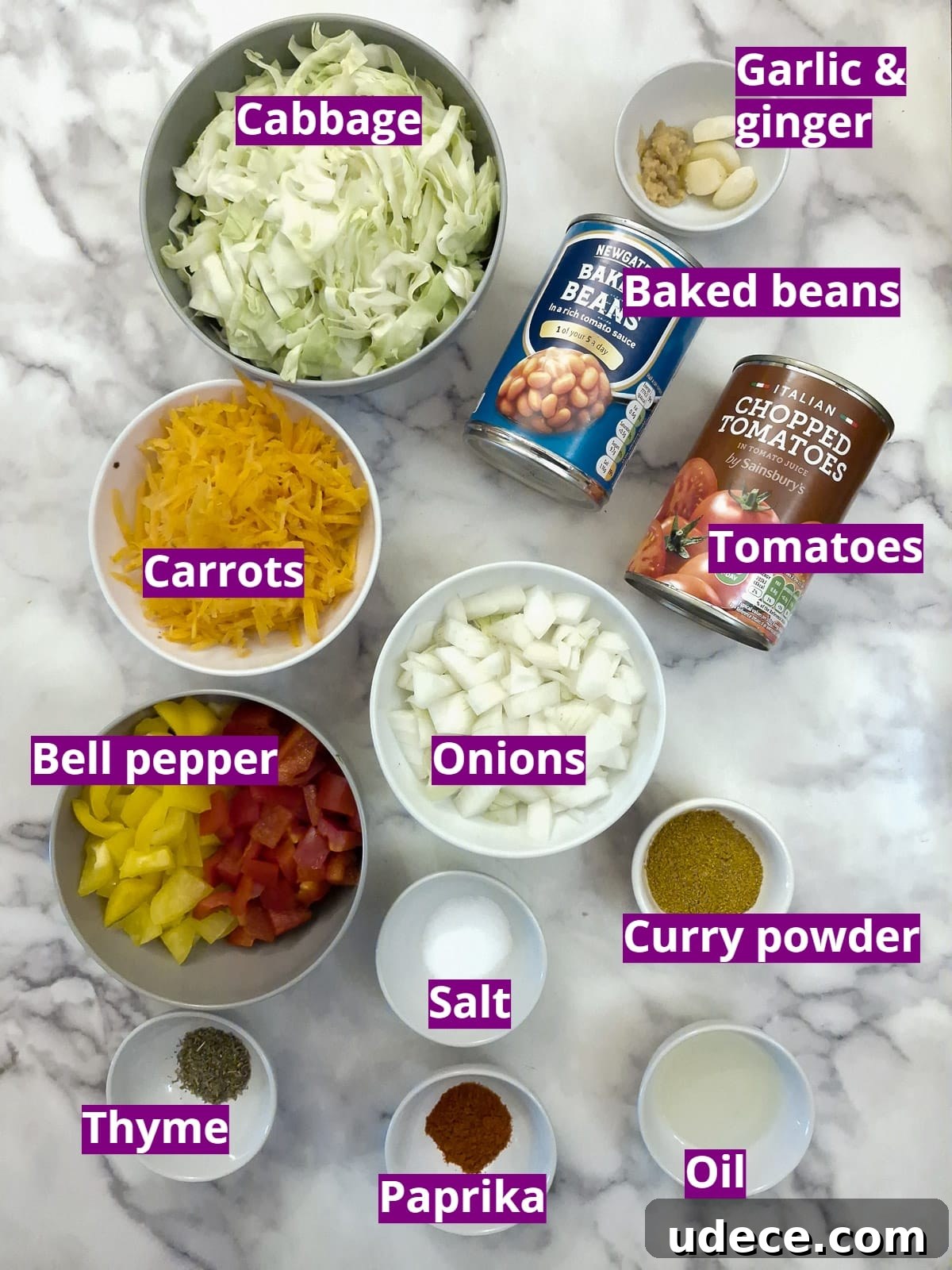
Vegetables
- Cabbage – finely sliced or shredded (white or sweetheart cabbage; swap with chard, spinach or kale if preferred).
- Carrots – grated.
- Onions – diced (white or brown).
- Bell peppers – diced (traditionally a mix of green and red; any colour will work).
- Tomatoes – a can of chopped tomatoes in juice.
- Baked beans in tomato sauce – adds body and sweetness; substitute with kidney beans or chickpeas if desired and add a tablespoon of tomato puree.
- Oil – neutral oil like sunflower or rapeseed for frying.
Spices and flavourings
- Garlic and ginger – fresh and finely minced or paste.
- Chilli – fresh or dried to taste, or a pinch of cayenne for gentle heat.
- Curry powder – the main spice note; use mild, medium or hot according to preference.
- Paprika – sweet or smoked for colour and warmth.
- Dried thyme – or substitute with oregano, rosemary or mixed herbs.
- Salt – to taste.
Instructions
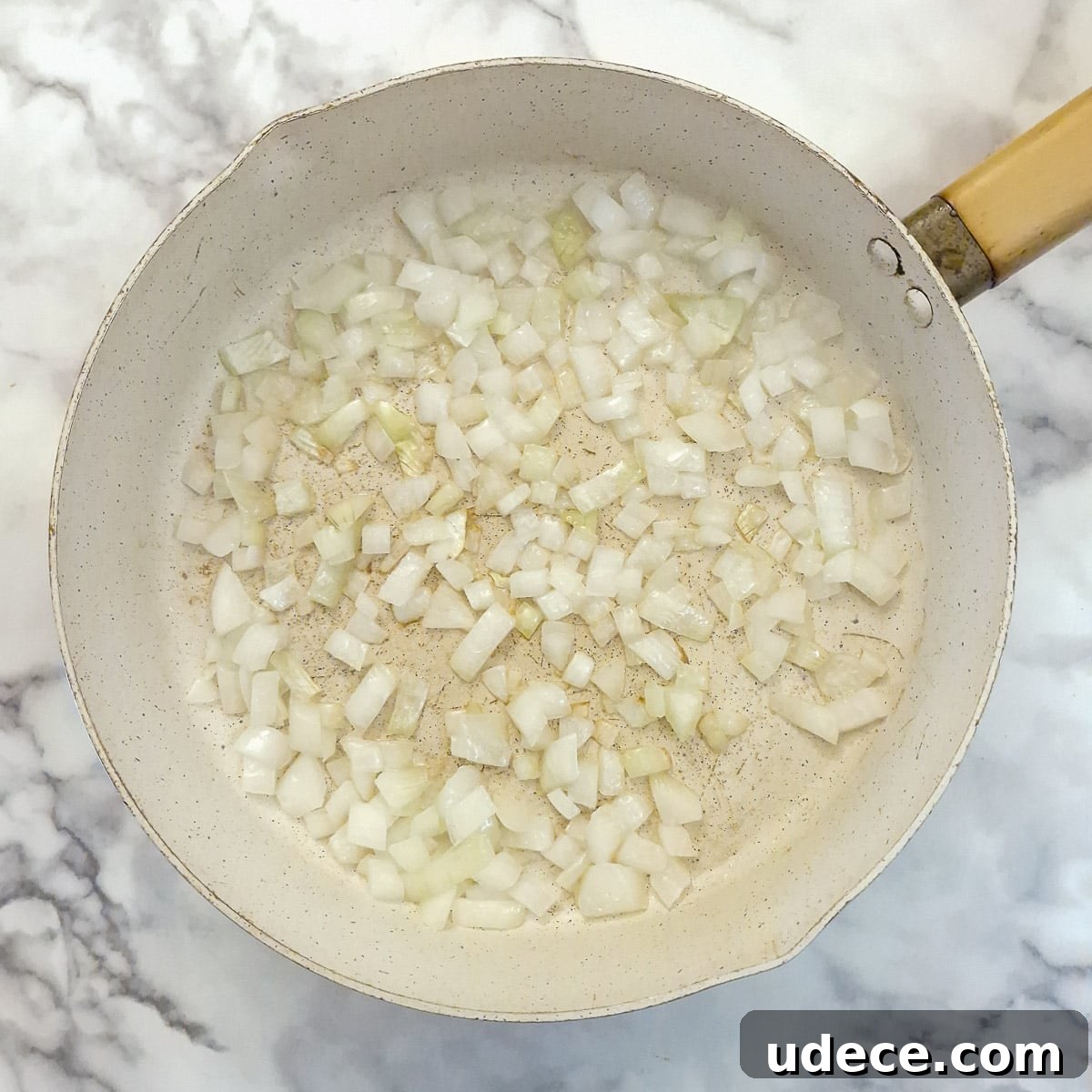
Step 1: Heat the oil over moderate heat in a large pan. Fry the diced onion for 4–5 minutes until translucent. If using fresh chilli, soften it with the onions.
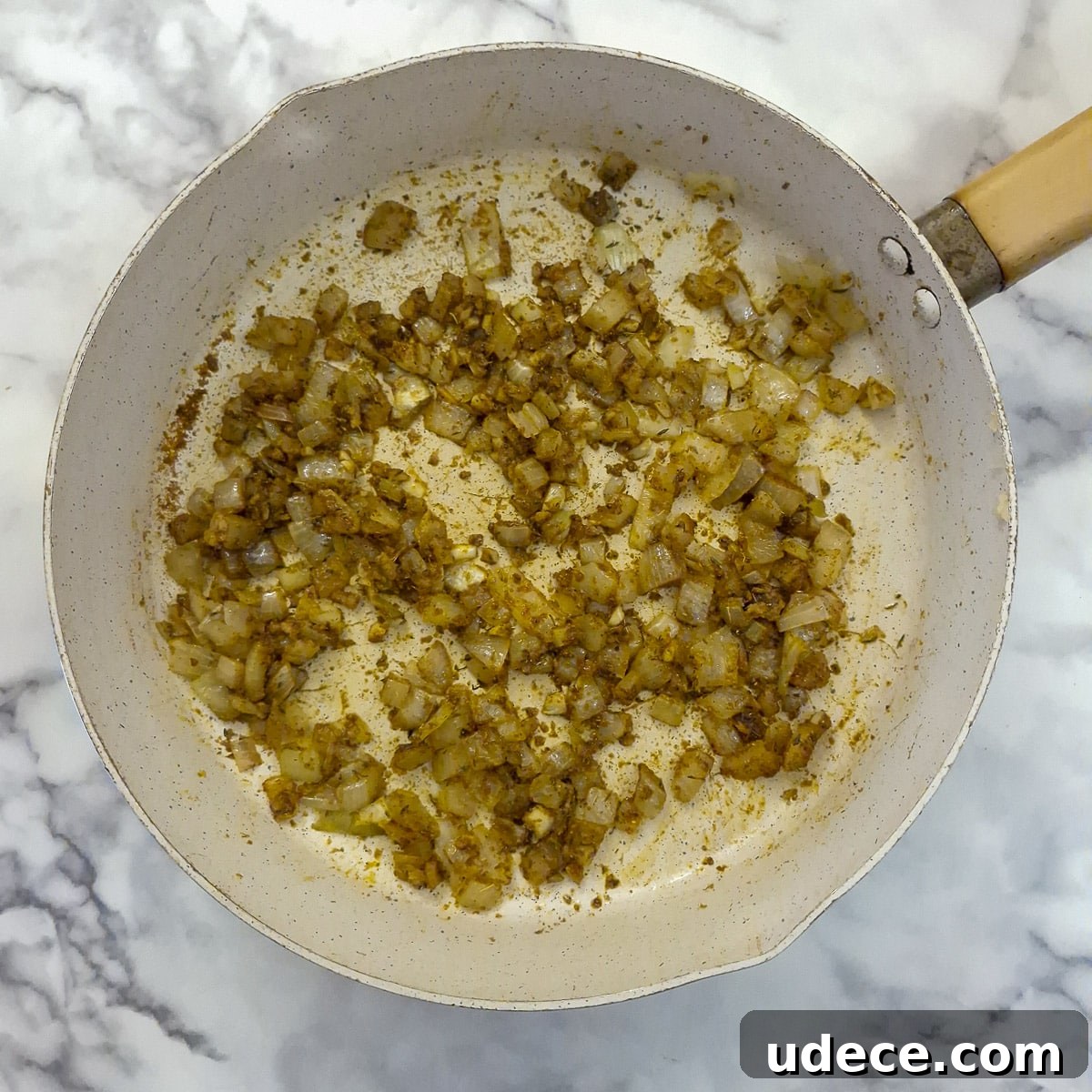
Step 2: Stir in garlic, ginger and the spices to coat the onions. Fry for another minute, taking care not to burn the spices.
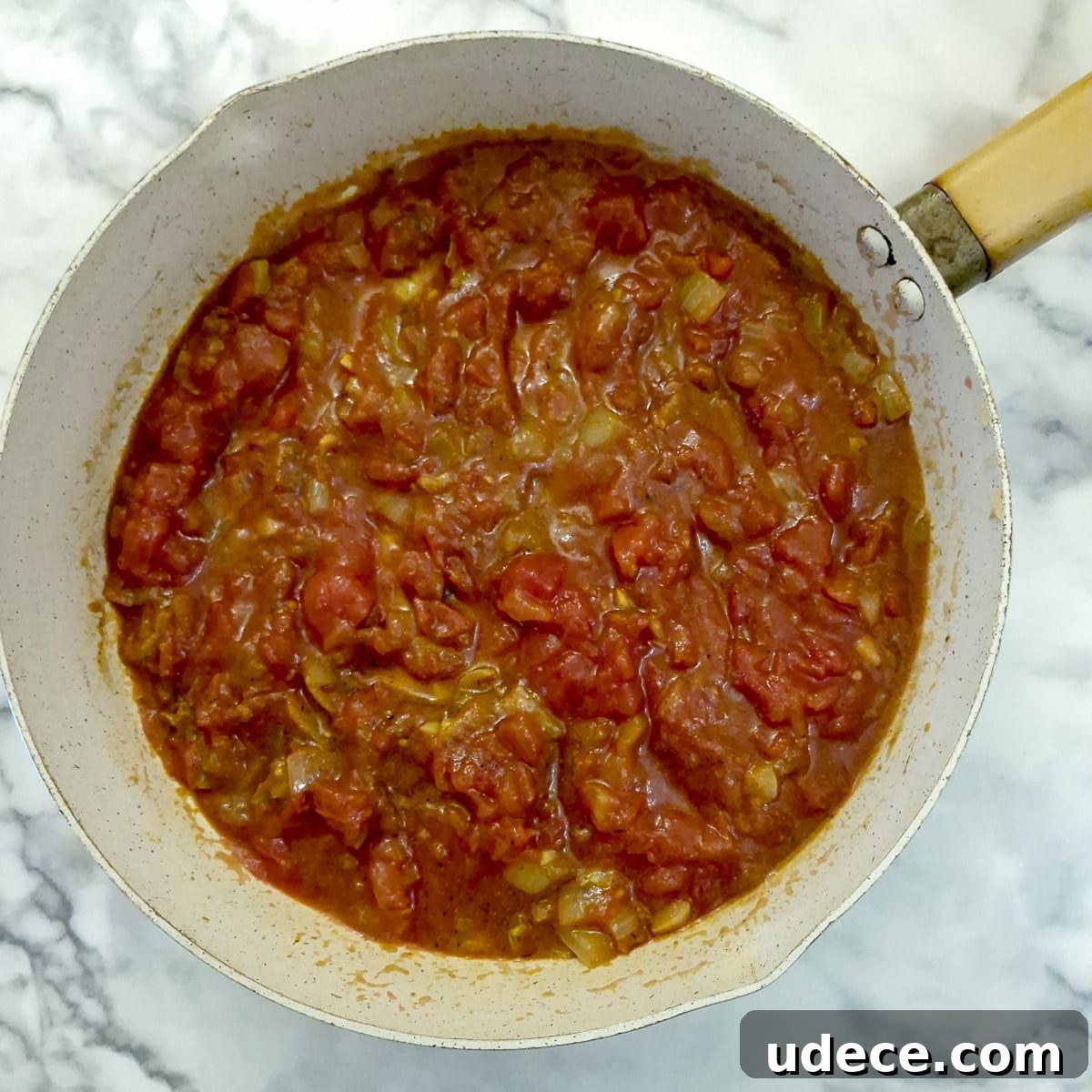
Step 3: Add the chopped tomatoes and rinse the can with about 1/4 cup (60 ml) of water, adding that to the pan. Bring to a boil.
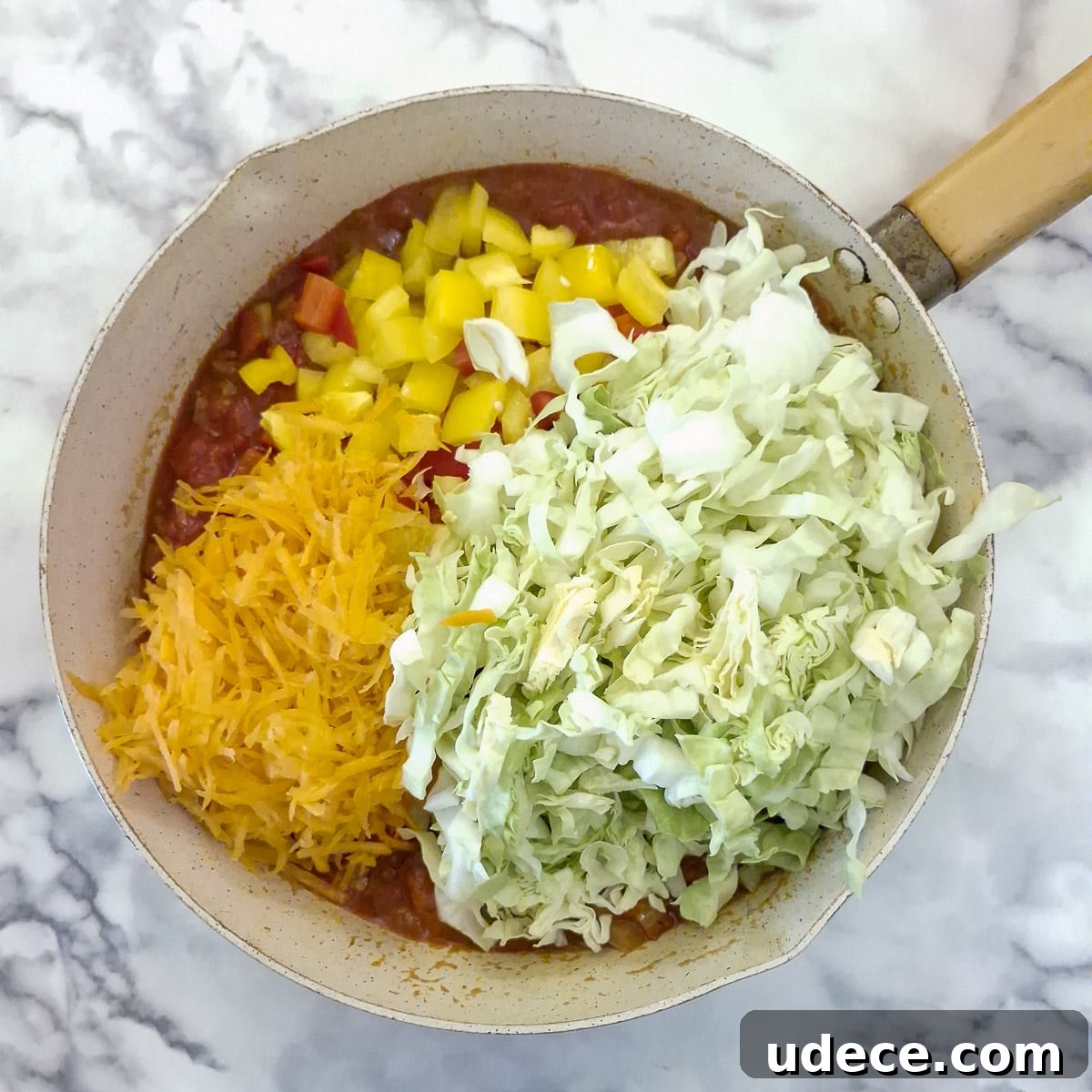
Step 4: Reduce the heat to low and add the shredded cabbage, grated carrots and diced peppers.
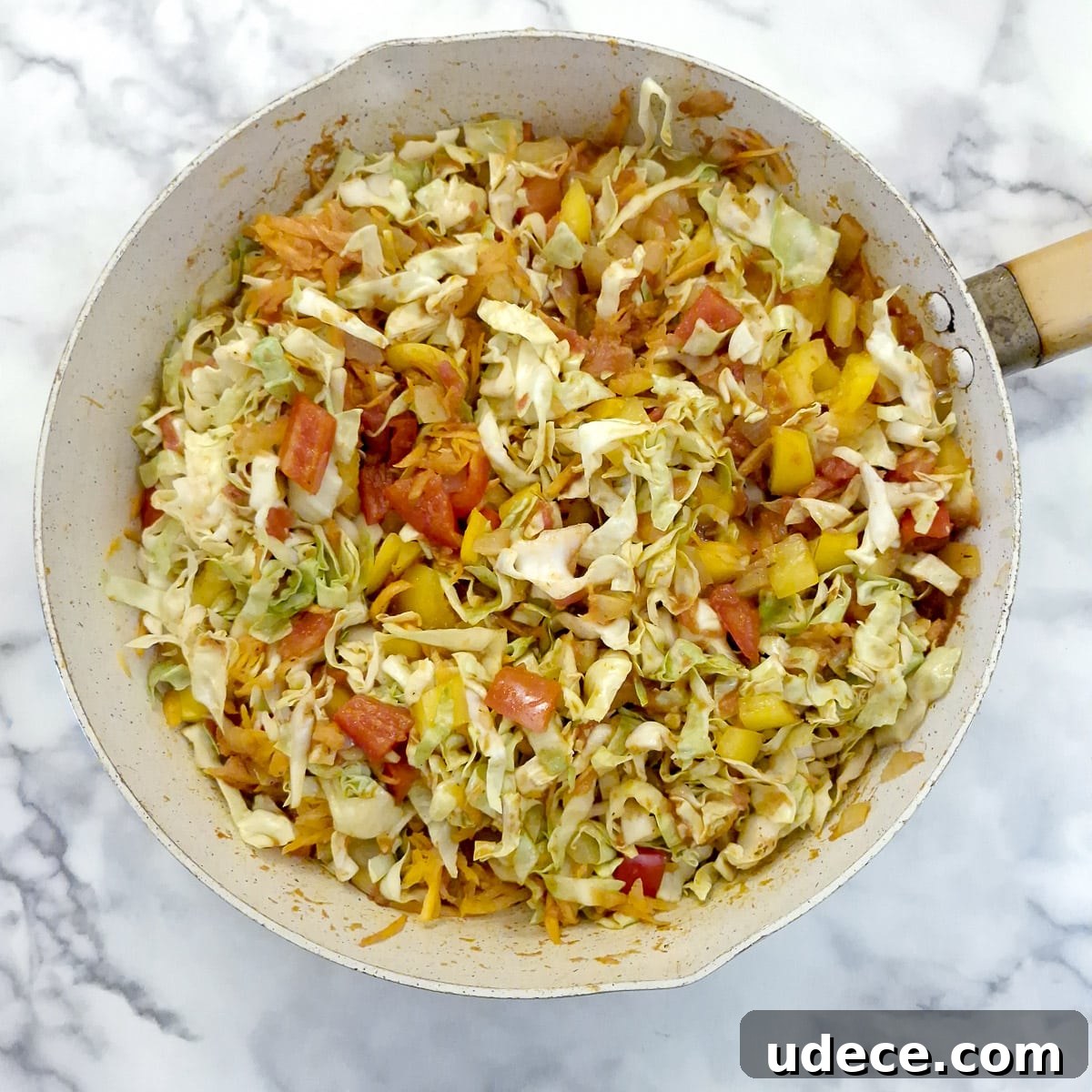
Step 5: Stir well to coat the vegetables in the tomato mixture.
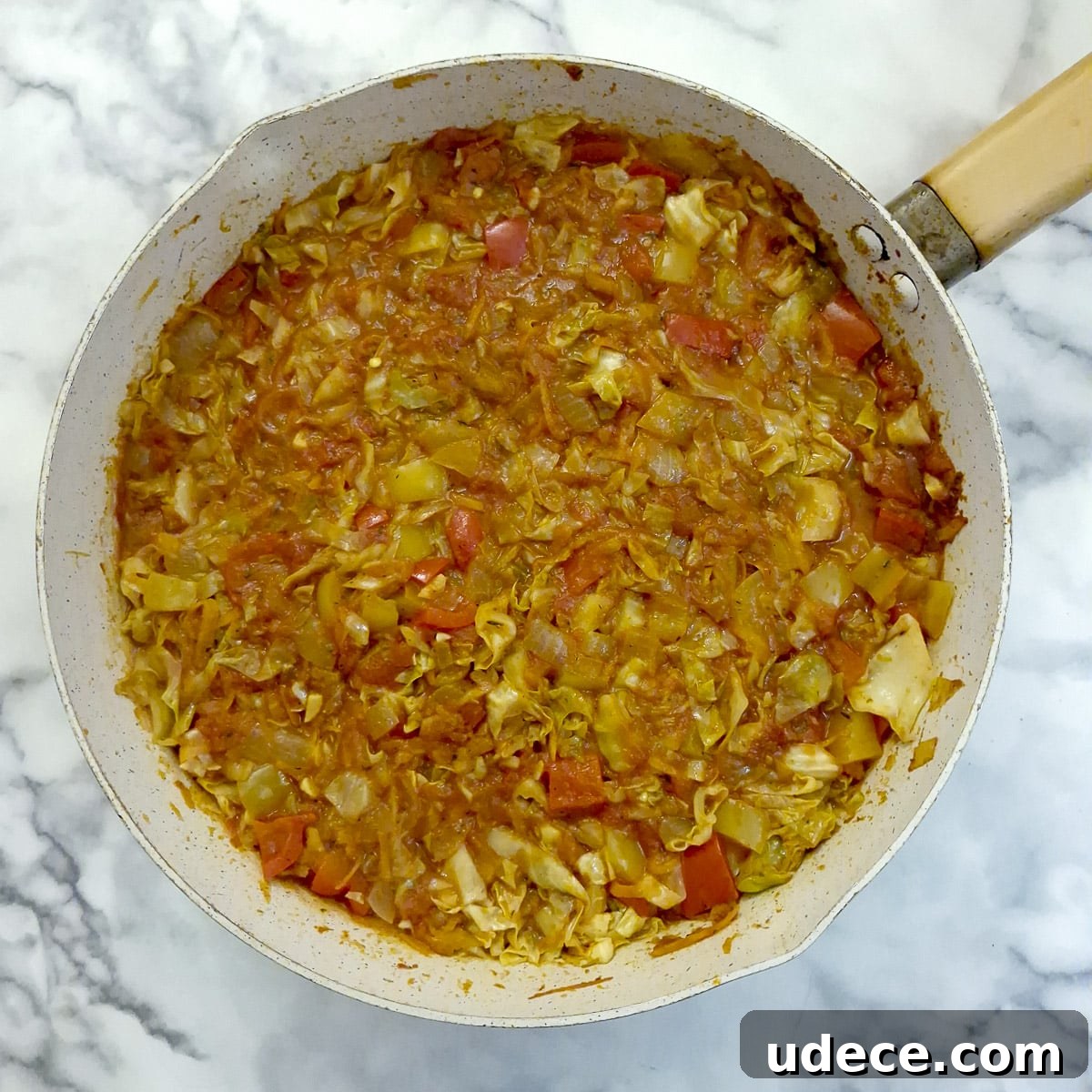
Step 6: Cover the pan and simmer for about 15 minutes so the vegetables soften but retain some bite.
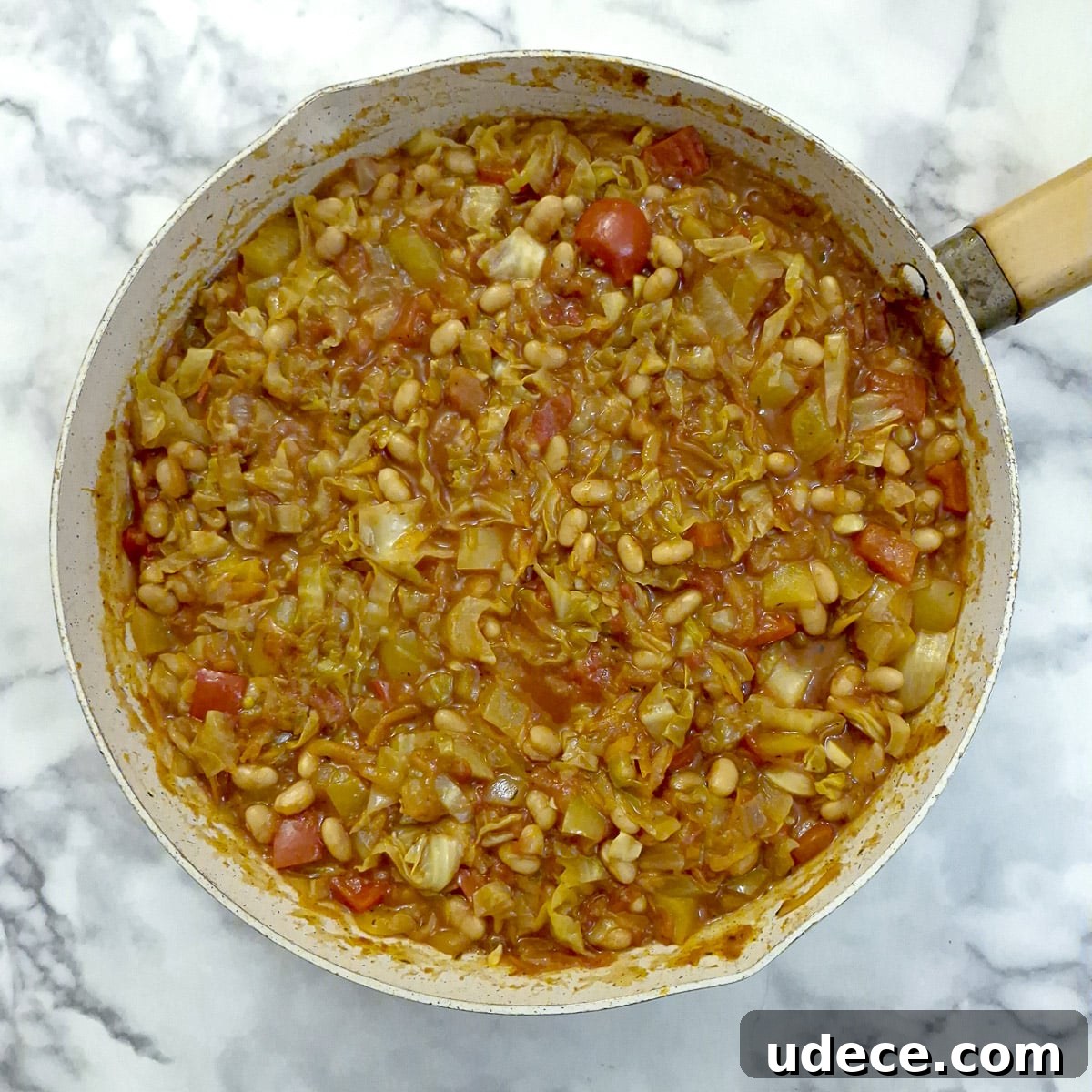
Step 7: Stir in the baked beans, taste and adjust seasoning. Simmer for 3–4 minutes until the beans are heated through, then serve hot.
Tips for a successful outcome
- Optionally soften the bell peppers with the onions for a milder texture.
- When frying spices, use a low heat and stir constantly to avoid bitterness.
- Use no more than 1/4 cup of water when rinsing the tomato can to prevent a runny sauce; the vegetables will release moisture while cooking.
- If there is excess liquid after simmering, remove the lid and reduce for a few minutes until the mixture is thicker.
- Keep the vegetables slightly crisp — chakalaka should retain some texture, not be mushy.
Serving suggestions
- Spoon over pap, mashed potatoes or rice for a traditional serving.
- Serve alongside sausages or grilled meats as a bright, spicy condiment.
- Use as a side with roast chicken or add to curries and stews for extra depth.
- Stir a cup or two into casseroles for extra colour and flavour.
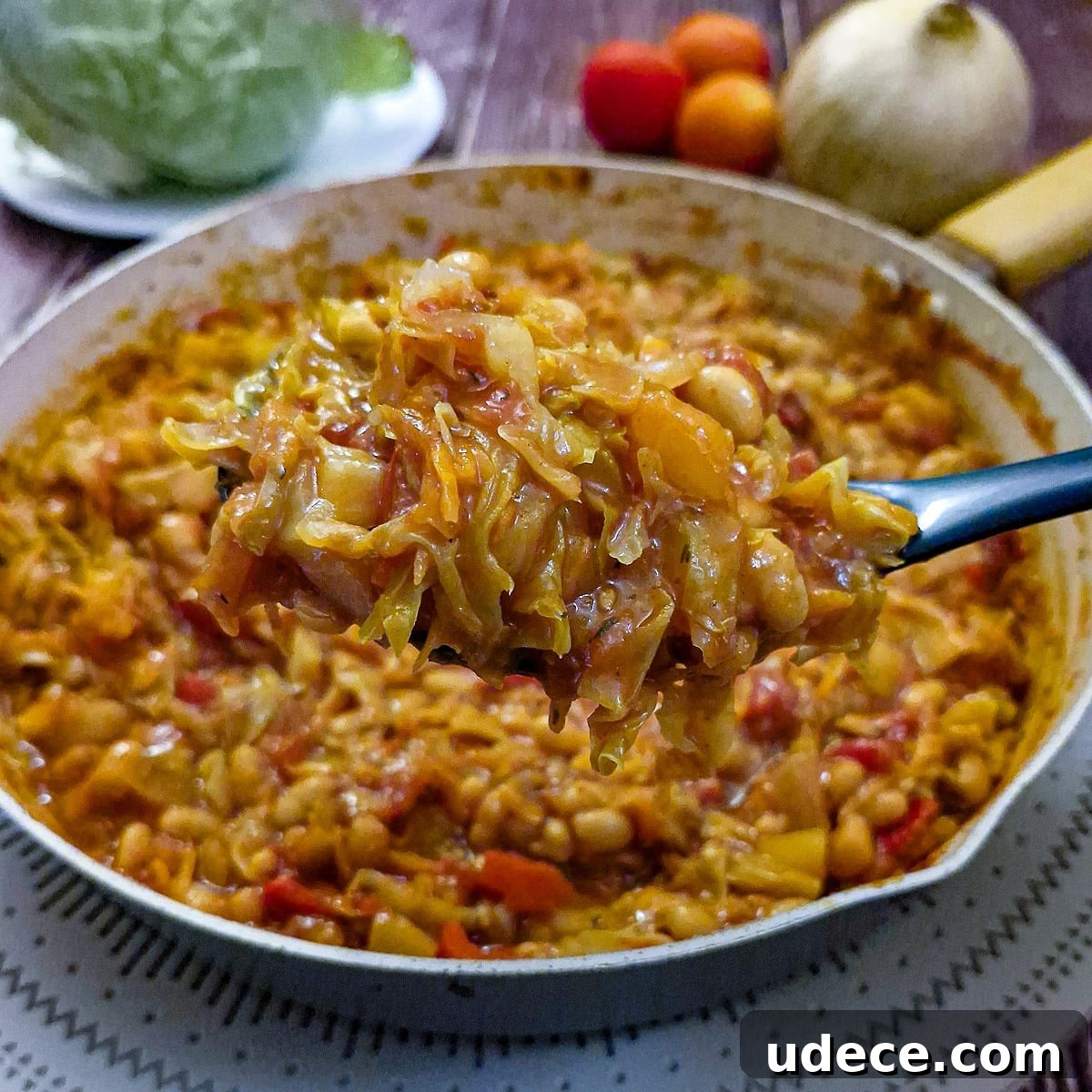
Variations
This recipe is forgiving and adaptable. Ideas to vary the flavour and texture:
- Add a spoonful of fruit chutney for sweet-tangy notes.
- Stir in leftover roasted vegetables near the end if they are already cooked.
- Add 1–2 tablespoons of Worcestershire sauce for a savoury lift.
- Mix in a tablespoon of creamed horseradish for a sharp finish.
Whatever additions you choose, chakalaka remains a colourful, flavour-packed accompaniment that keeps and freezes well.
Equipment
Only basic equipment is required: a sharp knife, a chopping board and a large pan with a lid. A spatula for stirring is useful.
Storage
Refrigerate leftovers in a covered container for 3–4 days and reheat gently on the stovetop or in the microwave. Portion into cup-sized servings and freeze for longer storage. Thaw in the fridge or add frozen portions directly to stews and casseroles so they melt into the dish.
FAQ
Yes. Substitute with chickpeas or kidney beans, and add a tablespoon of tomato puree if you want a stronger tomato base.
Yes. Chakalaka is naturally vegetarian and can be vegan depending on the beans and stock used.
Related recipes
Try chakalaka with other South African favourites or use it to add bold flavour to casseroles and curries.
📋The recipe
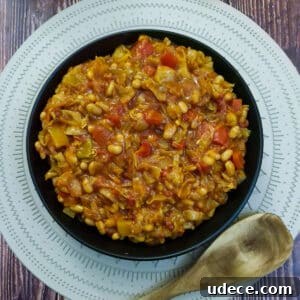
Easy chakalaka recipe – a traditional South African spicy vegetable relish
Bring a taste of South Africa to your table with this easy chakalaka recipe. Quick to prepare and packed with vegetables and spices, it’s a versatile dish that pairs well with barbecues, grilled meat, sausages or roast chicken.
Equipment
- Sharp knife
- Chopping board
- Spatula
- Large pan with lid
Ingredients
- 2 cups (about 200 g) shredded cabbage
- 2 medium carrots, peeled and grated
- 1 large onion, diced
- 1 medium red bell pepper, diced
- 1 medium green bell pepper, diced
- 1 x 400 g (14 oz) can chopped tomatoes
- ¼ cup (60 ml) water
- 1 x 400 g (14 oz) can baked beans in tomato sauce
- 1–2 fresh chillies (optional), deseeded and sliced
- 2–3 cloves garlic, minced
- ½ teaspoon ginger paste
- 1 tablespoon curry powder
- 1 teaspoon dried thyme
- 1 teaspoon paprika (sweet or smoked)
- 1 teaspoon salt, or to taste
- 2 tablespoons sunflower oil
Instructions
- Heat the oil in a large pan over moderate heat. Fry the onion for 4–5 minutes until translucent. If using fresh chilli, soften it with the onions.
- Add garlic, ginger, curry powder, paprika, thyme and salt. Stir and fry for about 1 minute, taking care not to burn the spices.
- Add the chopped tomatoes and the ¼ cup of water used to rinse the can. Bring to a boil.
- Reduce heat to low and add the cabbage, grated carrots and bell peppers. Stir to coat the vegetables in the tomato mixture.
- Cover and simmer for 15 minutes so the vegetables soften but retain some bite.
- Stir in the baked beans, taste and adjust seasoning. Simmer for a further 3–4 minutes until heated through.
- Serve hot over pap, rice or mashed potatoes, or alongside grilled meats and sausages.
Notes
Tips:
- Soften peppers with the onions if you prefer a softer texture.
- Avoid burning the spices by using low heat and constant stirring.
- Use only ¼ cup water when rinsing the tomato can to avoid a watery sauce.
- If the mixture is too wet after simmering, simmer uncovered to reduce excess liquid.
- Keep the vegetables slightly crisp for the best texture.
Storage
- Refrigerate in a covered container for 3–4 days.
- Freeze in portioned cups and defrost in the refrigerator or add frozen to stews to melt into the dish.
Nutrition (per serving)
Calories: 195 | Carbs: 30.4 g | Protein: 6.2 g | Fat: 6.8 g | Fiber: 6.9 g
The nutrition information is an estimate and should be used as a guide only.
If you try this chakalaka recipe, I’d love to hear how it turned out. Feel free to save the recipe, adapt the vegetables and spices to your taste, and enjoy a colourful, flavourful South African side on your next meal.