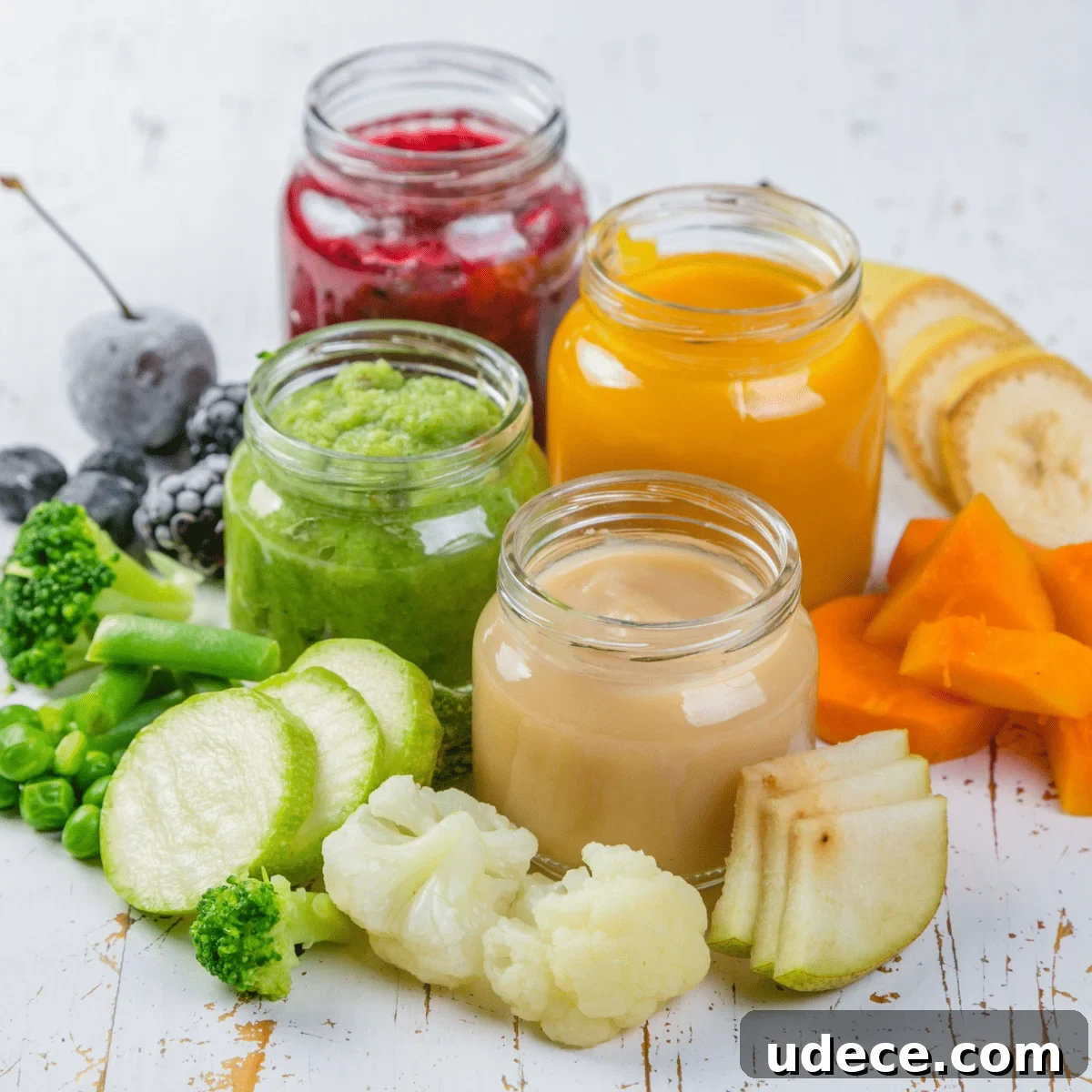
No one wants to see the words “heavy metals” and “baby food” in the same sentence.
I understand — recent headlines can be alarming. With so much pressure around feeding your baby, it’s natural to worry that something harmful could be in their food.
Let’s review what the research actually says, beyond sensationalized coverage.
As a Registered Dietitian with a Master of Clinical Nutrition and a slightly anxious mom, I don’t want parents worrying when it’s unnecessary. My aim is to share clear, evidence-based information so you can make informed choices for your child.
What You Need to Know About Heavy Metals in Baby Food
Baby Foods and Heavy Metals
When researching this topic I noticed many searches like “baby food with heavy metals” and “best baby food brand without heavy metals.” That reflects how worried parents are, and rightly so — we all want to feed our children nutritious, safe food.
Below I’ll summarize the science, explain which ingredients tend to contain higher traces, and share practical tips and some brands I like.
Before we go further, know that fear-based messages often leave out important context. My goal is to provide balanced, evidence-based information so you can act without panic.
Why has this been in the news?
In 2021, a U.S. House Committee report stated that some commercial baby foods contained arsenic, lead, cadmium, and mercury. That understandably alarmed parents. However, the report sampled products from only a handful of companies, so its findings don’t automatically apply to every baby food brand.
It’s important to take those findings seriously while avoiding sweeping generalizations. Testing was limited to specific brands and items, and other companies did not provide the same data.
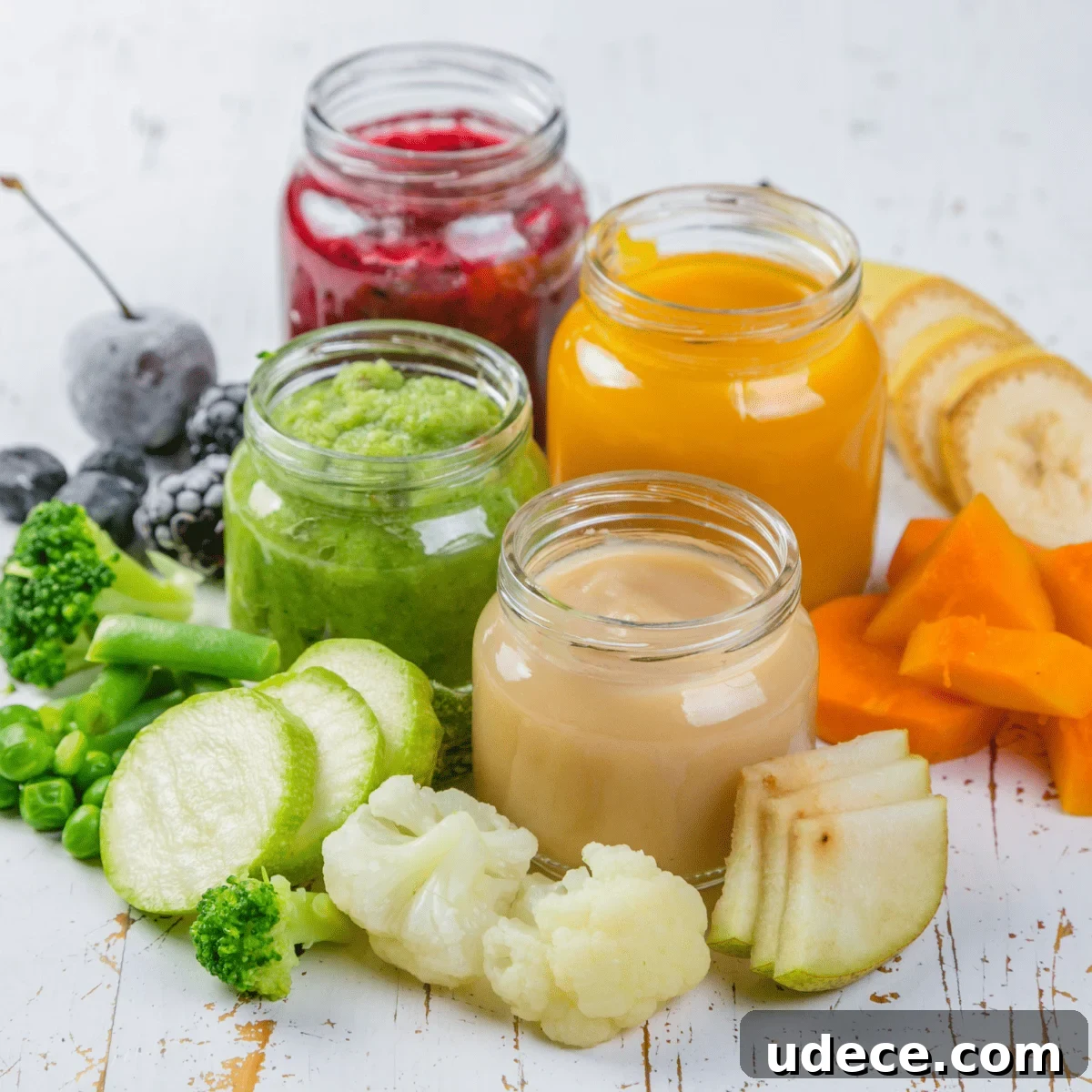
The facts about heavy metals in baby food
Traces of heavy metals are present in nearly all foods because soil, air, and water can contain these elements from natural sources and human activity. Plants absorb small amounts during growth, so it’s almost impossible to find foods with zero trace amounts.
The key point: the amounts detected in baby foods are extremely small and represent a small portion of overall exposure risk. That said, certain crops accumulate more heavy metals than others, so it’s useful to know which foods tend to contain higher traces and why.
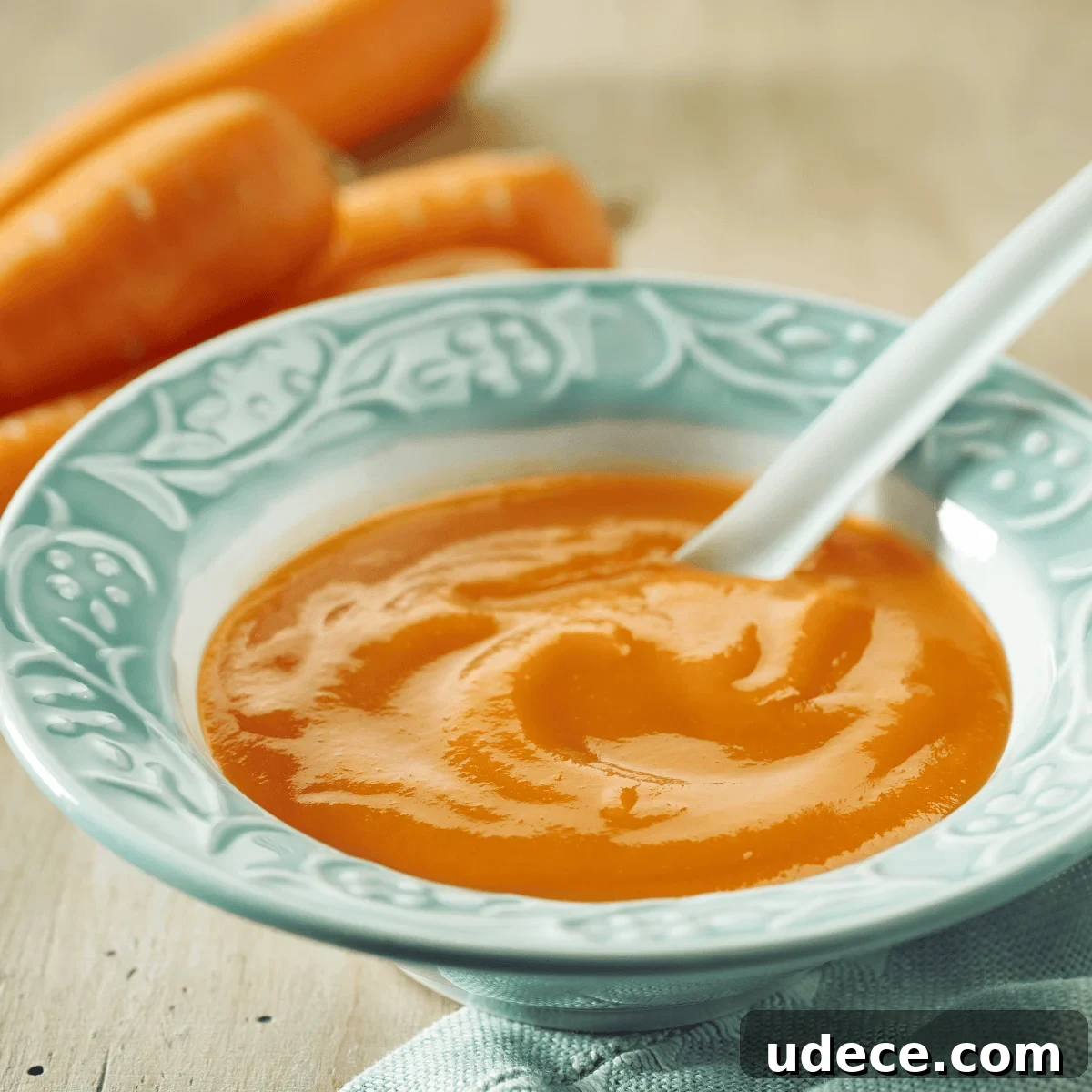
Rice, sweet potatoes, and carrots are three crops that can hold onto heavier traces of metals and are common baby food ingredients. Processing and additive use can sometimes concentrate or increase metal levels in finished products.
What are we doing about heavy metals in baby food?
The FDA has introduced a “Closer to Zero” action plan with draft recommendations for reducing lead and other toxic metals in foods intended for babies and young children. These are currently recommendations, not binding regulations, and are intended to guide industry toward safer practices.
Draft recommendation levels for lead include:
- 10 parts per billion (ppb) for fruits, vegetables (excluding single-ingredient root vegetables), mixtures, yogurts, custards/puddings, and single-ingredient meats
- 20 ppb for root vegetables (single ingredient)
- 20 ppb for dry infant cereals
Keep in mind these are parts per billion — extremely tiny amounts. One ppb is like one drop of impurity in 500 barrels of water, or one cent out of ten million dollars.
In what dose are heavy metals harmful?
There’s no precise consensus on exact safe thresholds for every metal. High levels of lead and other heavy metals are known to impair cognition and development in children. Because infants and young children are smaller, the same amount represents a larger dose for them than for adults.
While trace levels are not associated with harm, it makes sense to minimize unnecessary exposure. Below are practical strategies to reduce potential risks.
Let’s pause and take a breather
This can feel stressful, but a varied diet significantly reduces day-to-day worry. If you’re starting solids and want guidance, consider resources that simplify the process and help you build variety into your baby’s meals.
If you’re introducing solids for the first time or need a refresher, look for simple guides that emphasize variety and gradual progression beyond purees.
What about accumulation of heavy metals? Is that a thing?
Accumulation matters. Repeated exposure to higher levels of metals like lead can have negative effects. To reduce cumulative exposure, diversification of foods and attention to preparation methods are helpful. Legislation and industry guidance are moving toward lower allowable limits, which is reassuring.
Practical suggestions include the list below.
8 ways to minimize heavy metal exposure and risk
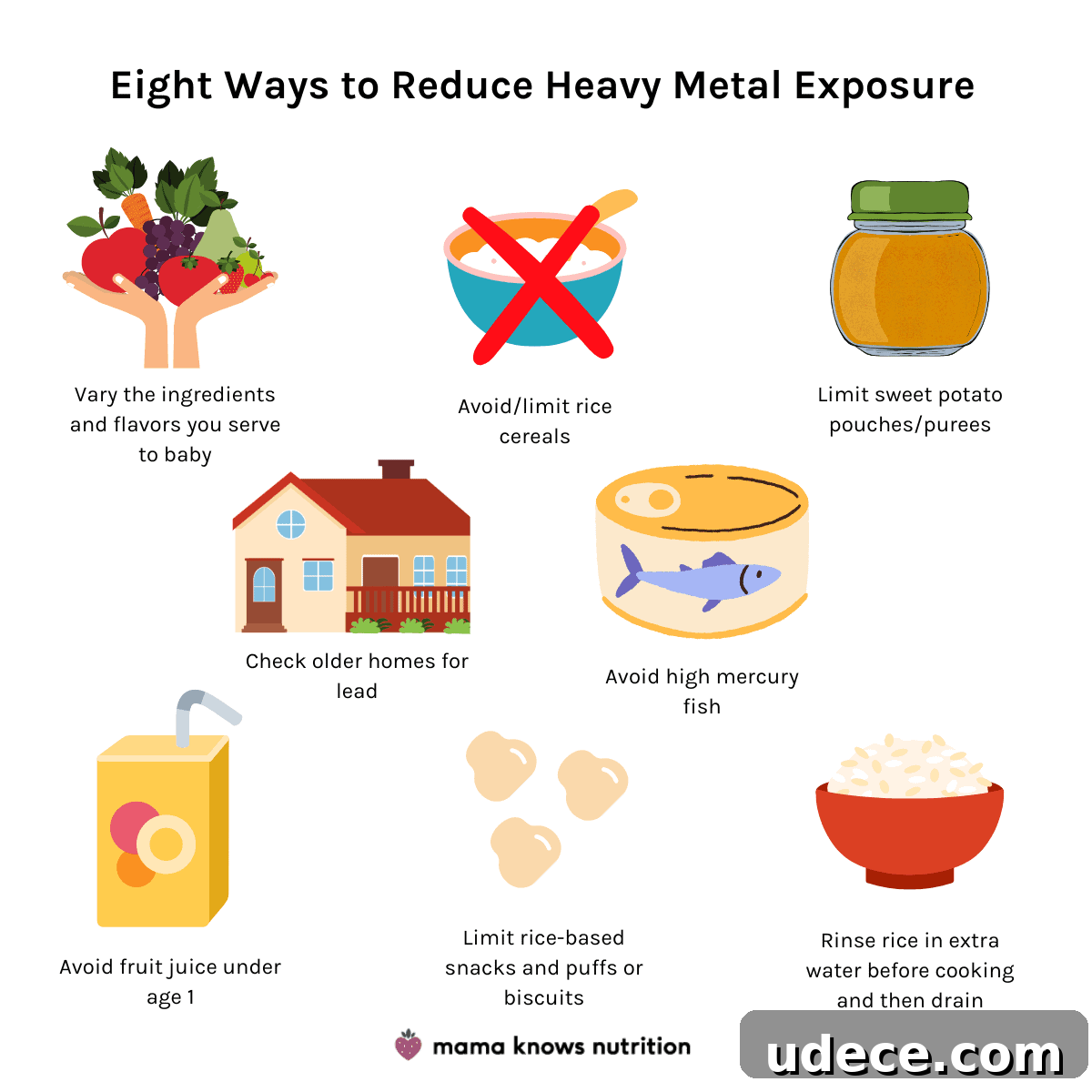
- Vary ingredients and flavors — rotating foods reduces routine exposure to crops that tend to retain more heavy metals.
- Avoid or limit rice cereals — choose multigrain cereals or oatmeal instead of relying on rice cereal.
- Limit sweet potato pouches/purees — prepare and mash your own sweet potato at home when possible to avoid concentrated processed forms.
- Check older homes for lead — lead paint and dust can contribute to exposure; address any risks in older buildings.
- Avoid high-mercury fish — choose low-mercury options like salmon, tilapia, and whitefish for young children.
- Avoid fruit juice under age 1 — besides sugar concerns, some juices can be a source of lead.
- Limit rice-based snacks — many snacks are rice-based; serve them rotationally rather than daily.
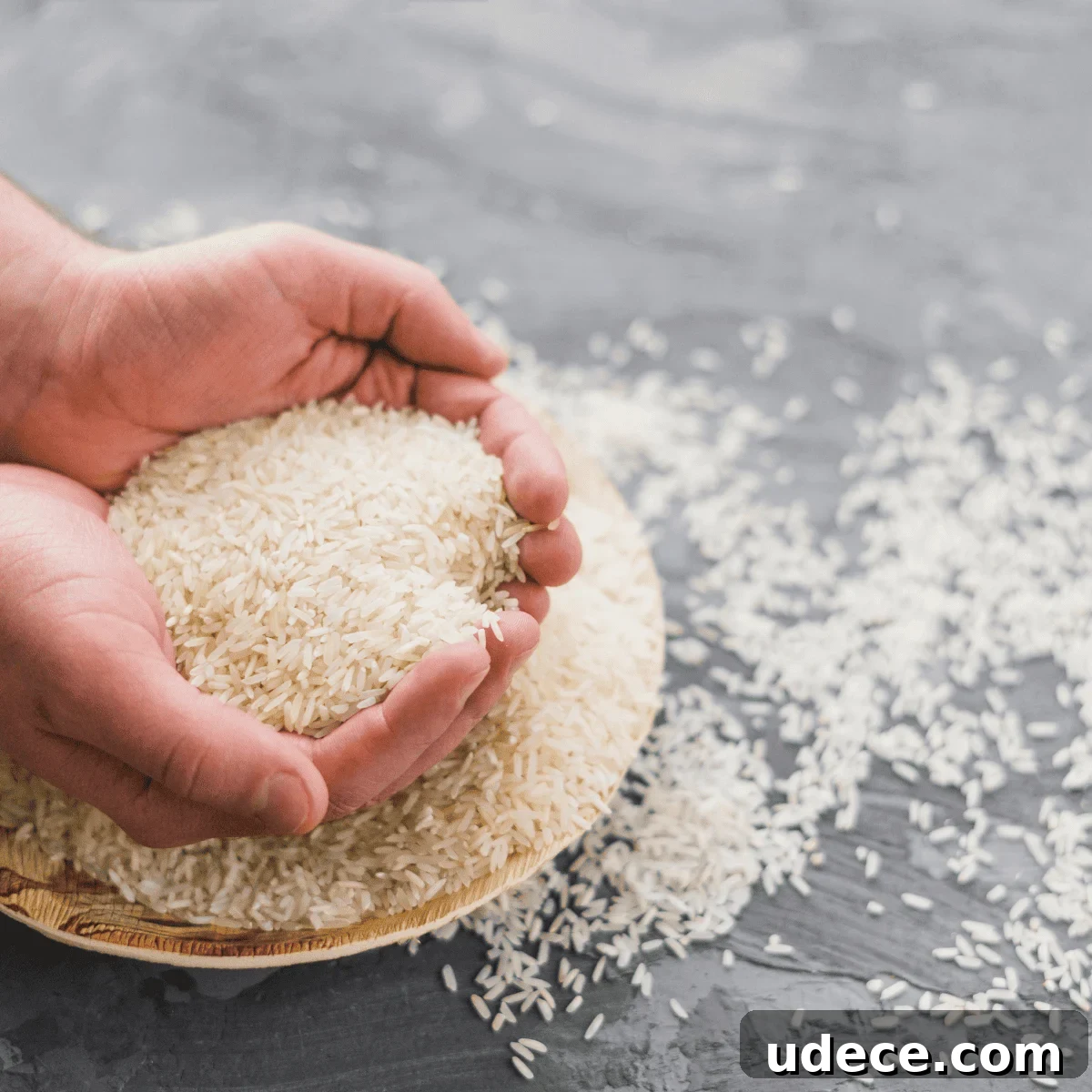
- Rinse rice before cooking — rinsing and draining rice can reduce some contaminants before cooking.
If you remember only one thing: variety is always the answer.
Clean Label Project
An independent group, the Clean Label Project, tests products and certifies brands that meet their standards for ingredient purity. Their lists can be a reference if you want brands that are taking additional steps, but certification isn’t the only way to find safe options.
Safe baby food
Rather than searching only for a brand that is “without heavy metals,” focus on the foods and ingredients inside those products. As noted, rice, sweet potato, and carrot are more likely to contain higher traces — it’s the ingredients, not the brand name alone, that often drive results.
Best organic safe baby food without heavy metals?
Organic labeling doesn’t eliminate heavy metals. Metal content relates more to soil and environmental contamination than to pesticide use. If organic is important to you for other reasons, choose it, but don’t assume organic automatically means free of traces.
Does homemade baby food have heavy metals?
Yes — homemade food can contain the same trace metals because the crops themselves absorb them. Home preparation can avoid some concentration that occurs during processing, but it won’t remove all traces. Homemade is a great option for many families, but it’s not required to ensure safety.
My favorite baby food and baby food brands
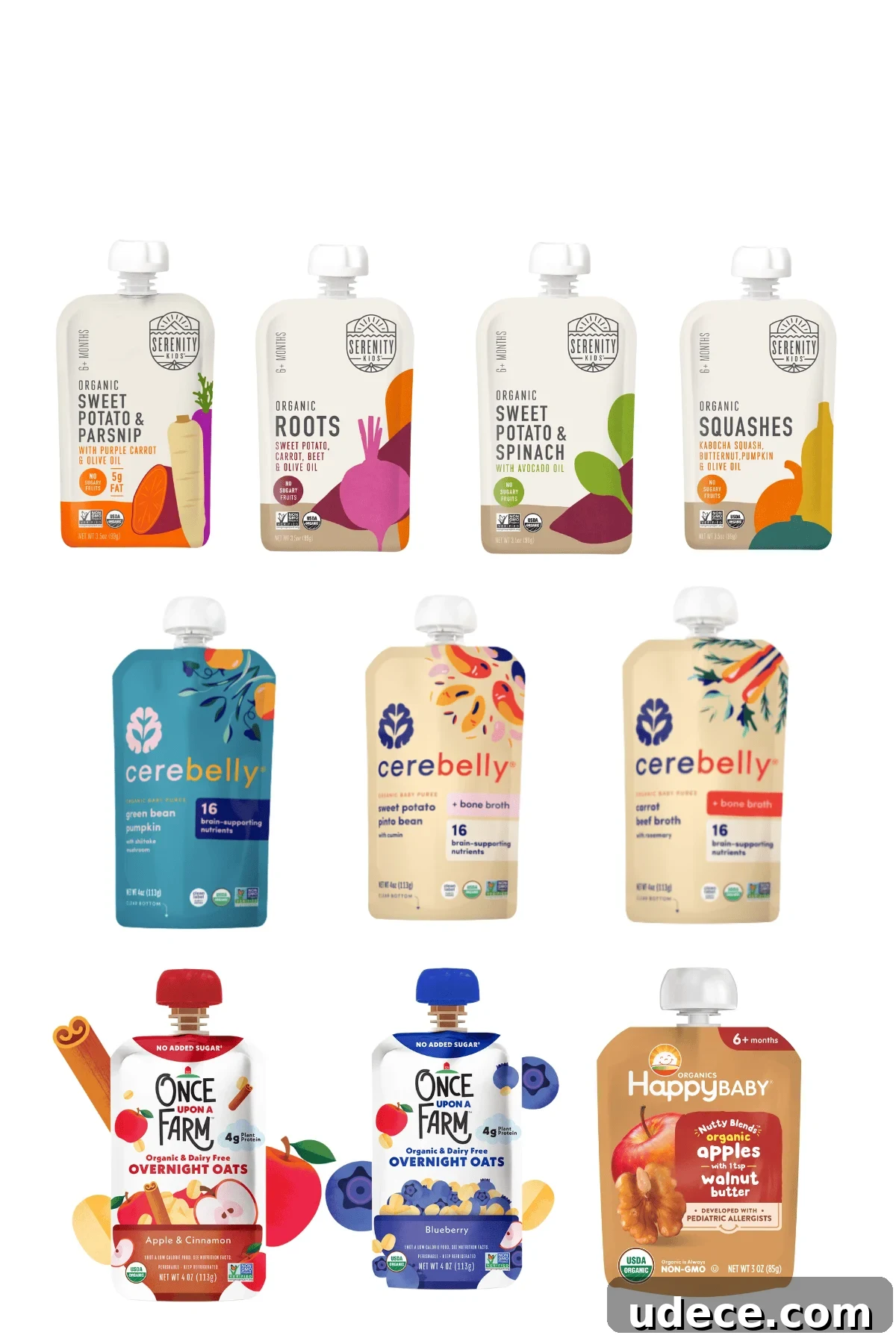
Here are brands I like for nutrition and convenience:
- Serenity Kids
- Cerebelly
- Once Upon a Farm
- Little Spoon
- Happy Tot
- Earth’s Best
- White Leaf Provisions
I appreciate pouches for convenience and nutrition, but I recommend limiting pouch servings to about once per day to encourage variety in textures and ingredients. Occasional exceptions are fine — travel and busy days happen.
The bottom line about heavy metals in baby foods
Don’t panic. You don’t need to eliminate rice, sweet potatoes, or carrots — they provide valuable nutrients. Focus on offering a varied diet, which reduces the chance of overexposure to any single contaminant.
The whole picture of your child’s diet matters more than any single food. If media sources make you anxious, give yourself permission to step back from them. If you’re overwhelmed about feeding your child, look for practical, evidence-based guides that help you introduce solids and build variety gradually.