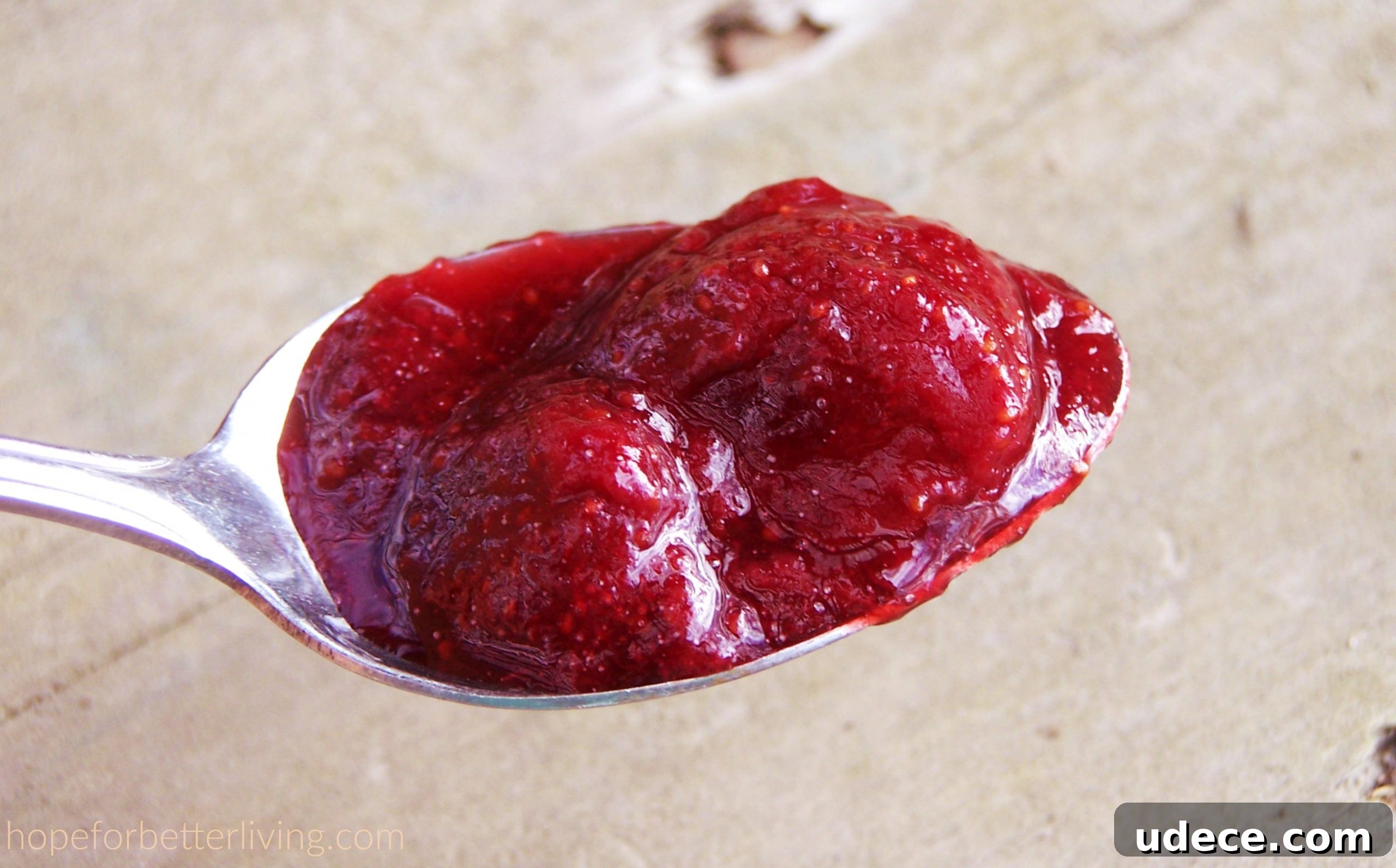
Are you looking for a healthier way to make home-canned jams and preserves? Curious about pectin-free options and wondering where to begin?
Today is your day. Below are clear, practical techniques that will set you up for success. Pectin-free canning is straightforward once you understand the basics.
There are two common reasons home canners choose to stop using commercial pectin.
Reason #1: Desire for Lower Sugar Content
Commercial pectin usually requires significant sugar to gel properly. By skipping commercial pectin you can reduce sugar to taste and use alternative natural sweeteners. This gives you more control over the final flavor and sweetness of your preserves.
Reason #2: Avoiding Ingredients in Commercial Pectin
Some preservers prefer to avoid certain ingredients found in manufactured pectin products. If you haven’t examined those ingredient lists, take a look and decide whether they fit your preferences.
Pectin Is a Natural Substance
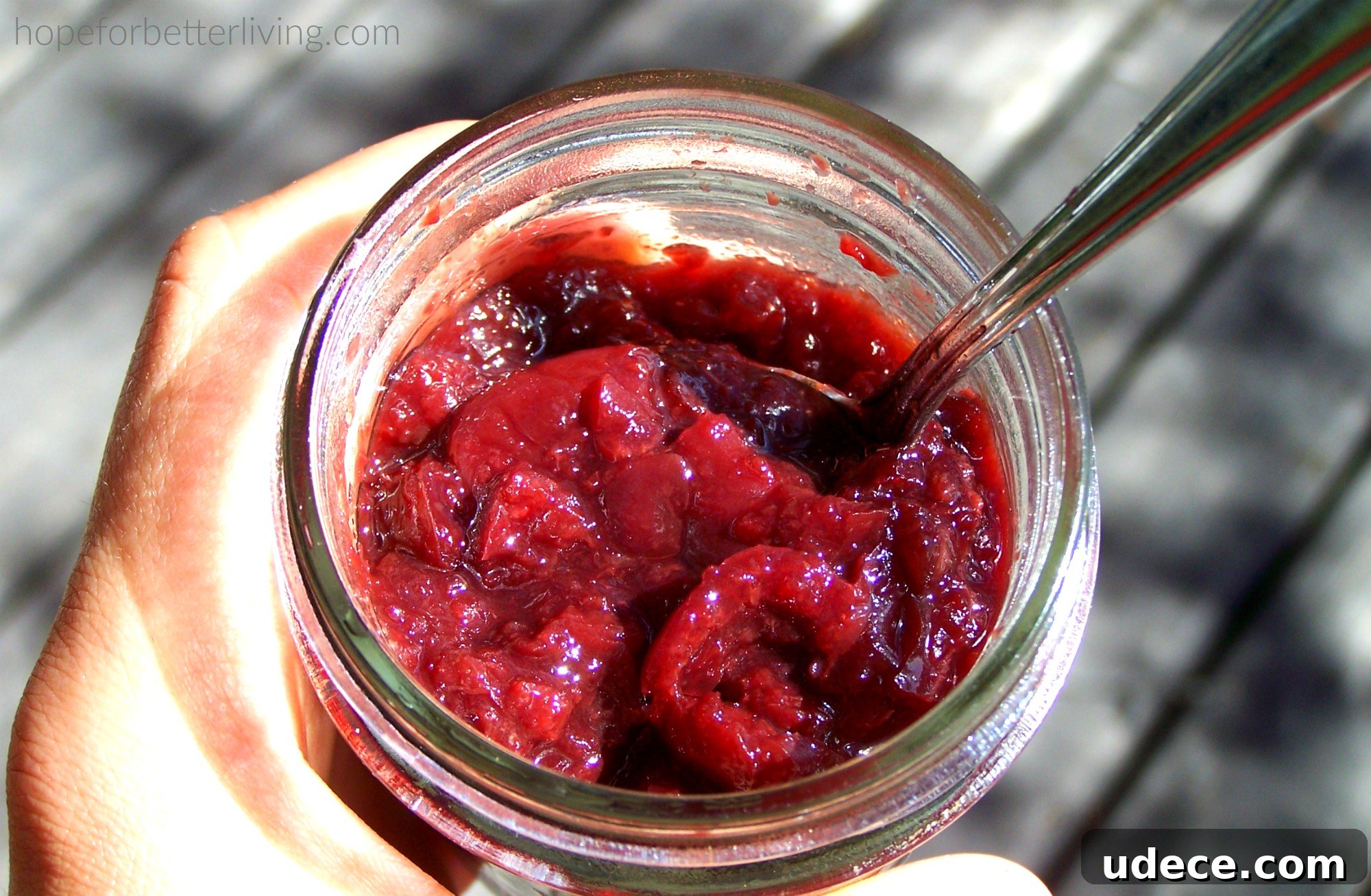
Pectin occurs naturally in many fruits and vegetables. Before commercial pectin was available, cooks relied on the fruit’s own pectin to thicken jams, jellies, and preserves.
Traditional methods use cooking time and heat to activate the fruit’s pectin and evaporate excess liquid. The result is a thicker spread with an intensified fruit flavor.
Combining Modern Convenience with Traditional Methods
We can honor traditional techniques while using modern appliances that make the process easier and faster. The three techniques below blend old-fashioned wisdom with contemporary convenience to produce safe, delicious pectin-free preserves.
Note: these are general tips. Recipes with specific directions for each fruit follow these techniques.
Technique #1: Create a Base from Puree
How it works: Instead of relying solely on released juices, puree part of the fruit to create a thicker starting point. This gives you both juice and body in the base, reducing long cooking times and simplifying stirring.
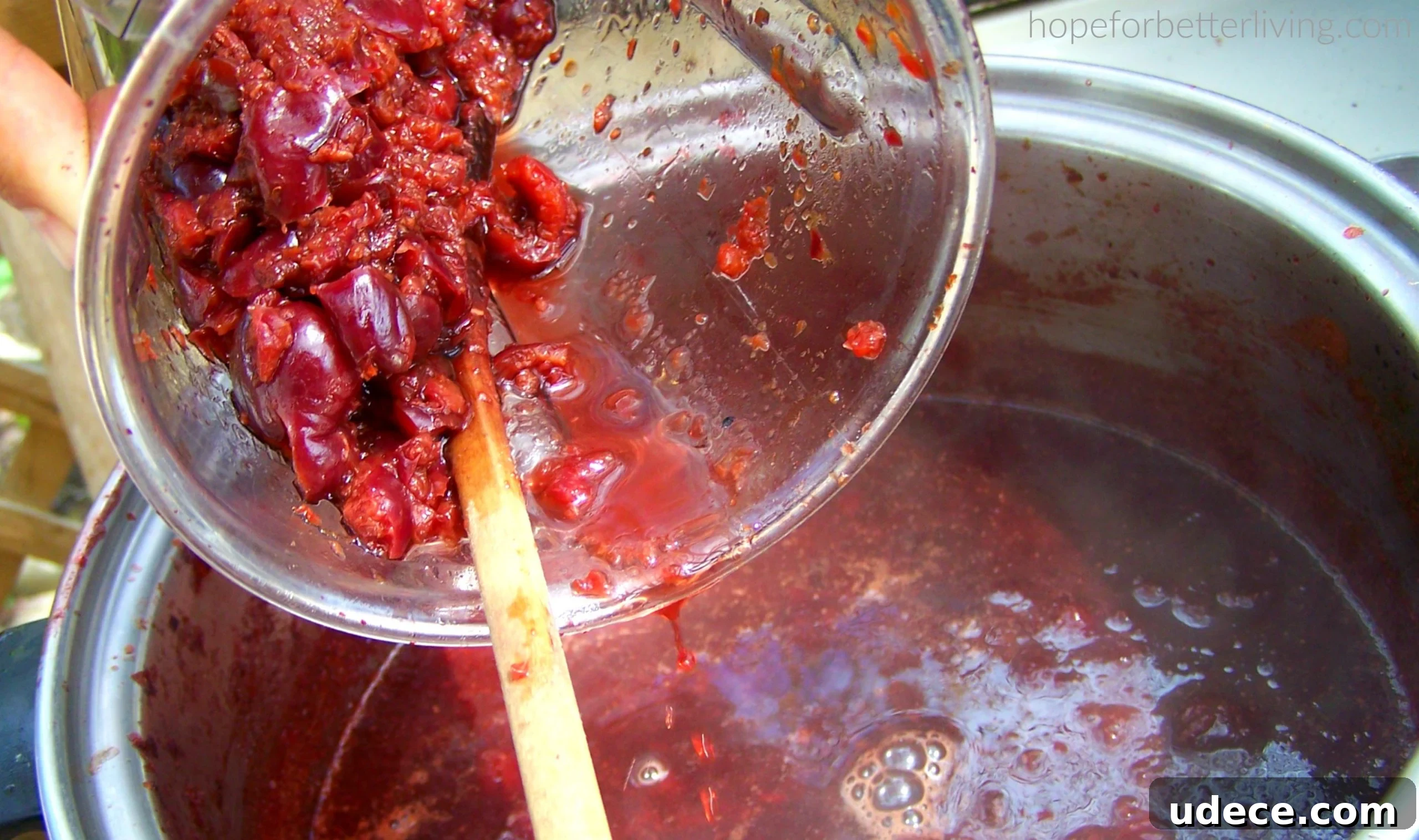
How to: Use a powerful blender to puree a portion of the fruit, usually including the peel when appropriate. Cook that puree down until it resembles a thin fruit butter, then add fruit chunks. This method works well for chunky jams and preserves and helps small fruits like berries and cherries retain their form.
Technique #2: Combine Low-Pectin Fruits with High-Pectin Fruits
How it works: Pectin concentrates in peels, seeds, and cores. Fruits high in pectin include apple, citrus, currant, gooseberry, concord grape, plum, and rose hip. Low-pectin fruits include apricot, blueberry, peach, pear, and strawberry.
Mixing low-pectin fruits with higher-pectin varieties speeds thickening. For a combination preserve, puree and cook the high-pectin fruit down as your base (except with drier fruits—see Technique #3).
If you prefer a single-fruit preserve, you can still add high-pectin components like lemon zest, lemon juice, or apple peels to help the jam set. For example, lemon zest and juice complement many fruits and add natural pectin; apple peels can be cooked with the puree and removed before finishing the jam.
Technique #3: Combine Dense Fruits with Juicy Fruits
How it works: Some fruits are naturally dense and low in water, which helps create a thicker base regardless of pectin level. Dense fruits include apples, apricots, certain cherries, some grapes, pears, plums, quince, and non-seedy berries.
How to: Dense fruit purees often need less cooking to reach a thick consistency. If cooking down is required, stir frequently to prevent sticking. You can also add lemon zest, juice, or apple peel as described in Technique #2 to speed thickening.
Other Useful Notes
These techniques open the door to creative, safe, and customized home canning. Keep the following practical points in mind when canning without commercial pectin:
Avoid Pureeing Seedy Berries
Soft seedy berries such as raspberries and blackberries produce gritty texture when pureed because the seeds break down. Instead, mash these fruits with a potato masher to form a base. Thicken that base with higher-pectin fruits or other methods, and add remaining whole berries later for a chunkier texture.
Make Sufficient Quantities
Most blenders don’t handle very small batches well. Pureeing less than about 1 cup can be difficult without adding liquid, which you would then need to evaporate. For practical pectin-free canning, plan to make normal to larger batch sizes.
Tips for Using Frozen Fruit
Frozen fruit works well with these techniques. Ice crystals add a small amount of water that will boil off quickly. Note that soft fruits often lose shape when frozen, so they may not hold as much texture in the finished product.
Learn More About Pectin-Free Canning
If you want a deeper comparison between pectin-free preserves and those made with commercial pectin, look for resources that explain techniques, safety considerations, and recipe adaptations for different fruits.