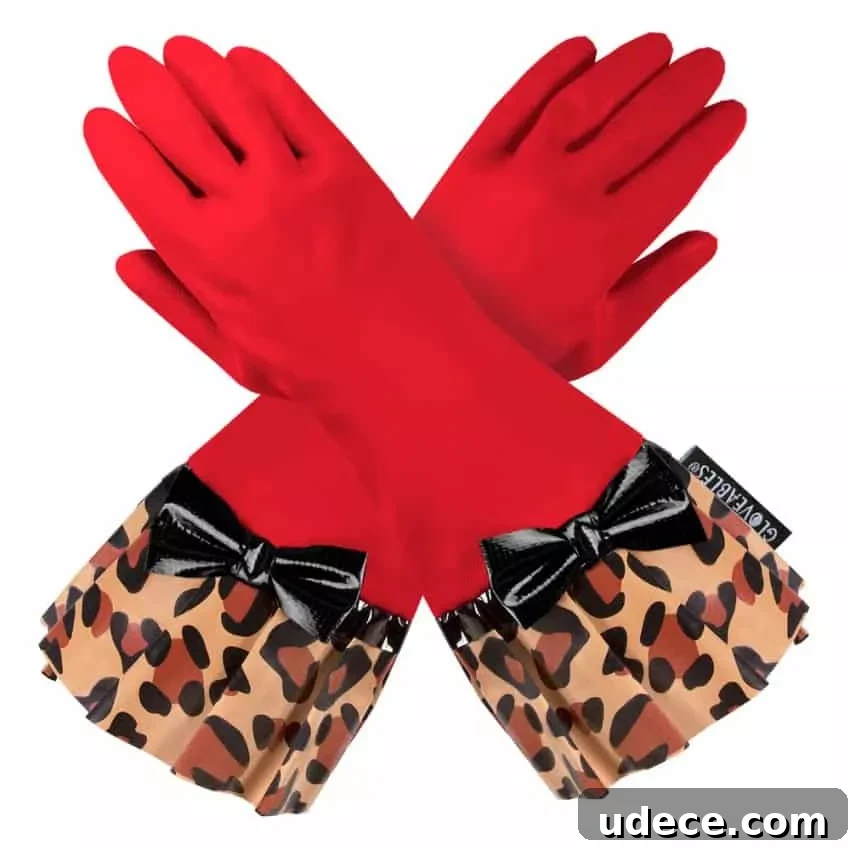
Have you ever wondered whether common household cleaners are gluten-free — detergents, soaps, sprays — and whether it matters? It’s a question worth considering, and I decided to tackle it during a particularly hectic holiday season.
Are Your Household Cleaners Gluten Free? Does It Matter?
The holidays are busy for everyone. Now that January is here, I’m finally trying to make progress on the piles of paperwork on my desk. I also upgraded to a new computer and two large monitors, thinking I’d be set to clear the backlog and keep a tidy workspace.
I should also mention we got two kittens for Christmas. One insists on sitting on my lap across my keyboard, and the other claims the middle of my desk and the view in front of the monitor. Productivity hasn’t exactly improved, but morale is high.
One stack of papers I finally revisited was a draft about gluten-free cleaning agents. After reading a recent post from my friend Linda at The Gluten-Free Homemaker challenging readers to deep-clean their kitchens, I decided to finish it. Several readers had asked whether dishwashing detergent or other cleaners might contain gluten. That concern is especially relevant for people with celiac disease, non-celiac gluten sensitivity, or wheat allergy.
For many of us, the thought of gluten in laundry detergent feels less concerning — we don’t typically taste our clothes — but utensils, dishes, and food prep surfaces are different. If you’re gluten-sensitive or allergic, topical exposure to certain ingredients can cause skin reactions. People with celiac disease, however, experience the autoimmune response only when gluten is ingested. Dermatitis herpetiformis is a skin manifestation of celiac disease, and some individuals report reactions to topical exposure, but experts differ on how often topical exposure triggers disease.
If you’ve noticed skin irritation after cleaning, washing the car, or doing laundry, consider whether an ingredient in the cleaning product might be the cause. For those who avoid animal products or prioritize cruelty-free options, many vegan or cruelty-free labels exist, but those certifications don’t guarantee a product is gluten-free — you may need to contact manufacturers if the label is unclear.
What Experts and Manufacturers Say
To get accurate information, I emailed many companies. Responses varied but were generally reassuring: several brands stated their cleaning products do not contain gluten ingredients, though they also noted potential trace contamination risks because manufacturing equipment or fragrance components may not be dedicated or fully disclosed. Here are representative excerpts from manufacturer replies:
Our products are wheat and gluten free. That being said, the equipment used to manufacture our products is not dedicated equipment, so there is a very slim chance of cross contamination. Good sterilization and separation practices are employed to avoid cross contamination.
Because our products are richly fragranced, and comprised of plant sourced ingredients, we would not say that our products are “allergy free”. While allergic responses to our products are rare, people can be allergic to anything.
Kind Regards, Samantha — P&G Team
Another company confirmed their cleaning products are gluten-free and noted that any products containing gluten ingredients (in their case, certain feminine care items) are produced in separate facilities.
Bottom Line
If you have celiac disease, experts agree that you must ingest gluten for the autoimmune response of celiac disease to occur. Dermatitis herpetiformis can appear on the skin, and some people report topical reactions, but this is not the norm and professionals vary in their conclusions. If you have non-celiac gluten sensitivity, wheat allergy, or simply prefer to avoid gluten in all forms, you may wish to choose cleaning products without gluten-containing ingredients. Anyone can have a topical allergic reaction to a cleaning product, regardless of gluten content, so pay attention to how your skin responds and contact manufacturers when in doubt.
Gluten-Free and Gluten-Conscious Cleaning Options
Below is a list of cleaning brands and products that manufacturers have identified as gluten-free or that use gluten-free ingredients in their cleaning lines. Formulas and manufacturing practices can change, so always check ingredient labels or contact the company if you need confirmation.
Gluten-Free Cleaning Products (compiled from company statements and websites)
- BioKleen — all home cleaning products identified as gluten-free
- Mrs. Meyer’s Clean Day — products identified as gluten-free, with a note that cross-contamination is possible in non-dedicated facilities
- Seventh Generation — cleaning products identified as gluten-free; specific non-cleaning product lines may differ
- Molly’s Suds — laundry products identified as gluten-free
- Aunt Fannie’s — cleaning and pest products made with gluten-free ingredients like vinegar and essential oils
Procter & Gamble (P&G) products — check package labels and current statements to confirm no ingredient changes:
- Cascade Complete (gel, ActionPacs, powder, with or without bleach)
- Crystal Clear Rinse Aid
- Cascade with Dawn ActionPacs
- Dawn dishwashing products (gel, powder)
- Tide laundry detergent (liquid or powder)
Colgate-Palmolive products that have been identified as gluten-free include certain dish liquids and cleansers; always verify current ingredient lists for any product you plan to use around food.
Make Your Own
If you prefer DIY solutions, many simple, gluten-free cleaning recipes exist using ingredients like vinegar, baking soda, and citrus peels. One practical tip shared by a reader is to soak orange peels in white vinegar to make an all-purpose cleaner — she even uses it as a fabric softener. Homemade cleaners can be a good option if you have sensitivities or want to avoid certain chemicals.
In summary, there are many cleaning products available that do not contain gluten ingredients. For those who must avoid gluten completely or who react to certain topical ingredients, the best approach is to read labels carefully, contact manufacturers for clarification, and consider DIY cleaners when desired. Paying attention to your own reactions and choosing products accordingly will help you keep a clean, comfortable, and safe home.