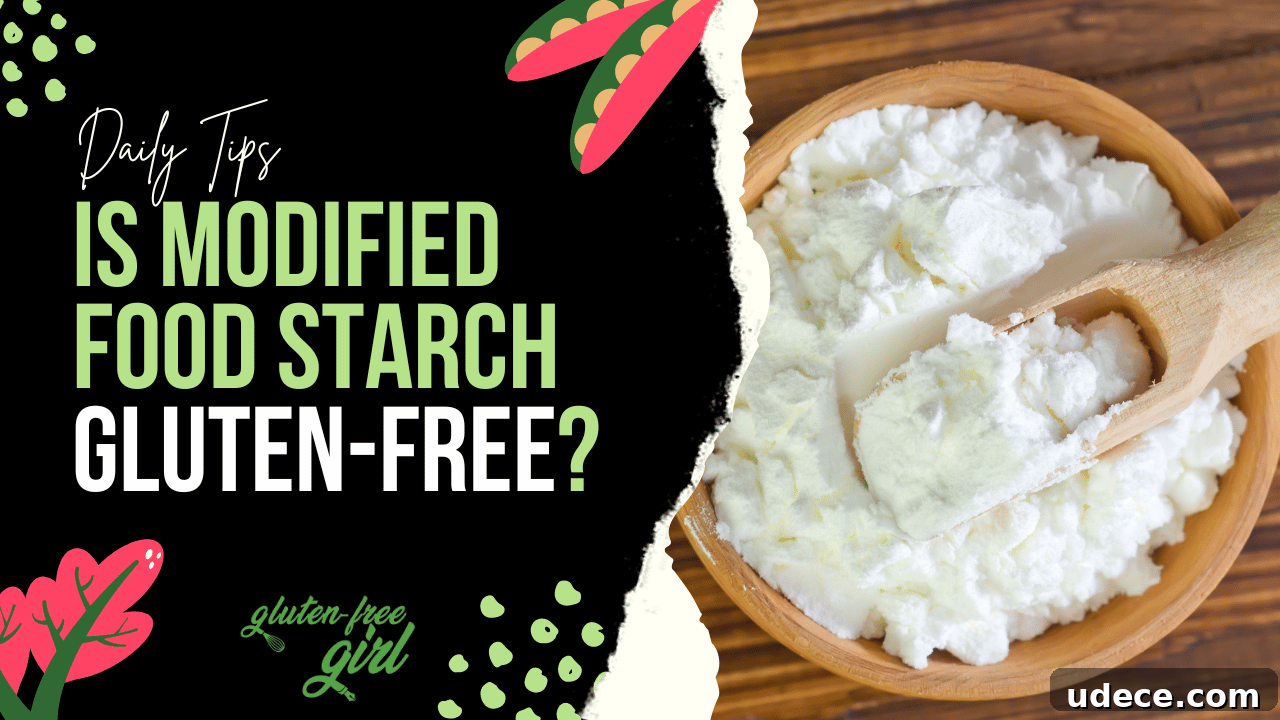
Yes, modified food starch is generally gluten-free. Modified food starch is a plant-derived ingredient made from sources such as corn, potatoes, tapioca, rice, or sometimes wheat. When manufactured for gluten-free products, the starch undergoes processing that removes proteins, including gluten, and labeling regulations in many countries require manufacturers to disclose when the starch comes from wheat. If a product lists only “modified food starch” without a wheat disclosure, it is typically safe to assume the starch is from a gluten-free source such as corn or potato.
For people with celiac disease or non-celiac gluten sensitivity, knowing the source of modified food starch is important. Celiac disease is an autoimmune condition triggered by gluten, a protein found in wheat, barley, and rye, and ingestion of gluten damages the small intestine, causing nutrient malabsorption and inflammation. A strict gluten-free diet is the only proven treatment for celiac disease, and modified food starch plays a useful role in gluten-free cooking and manufacturing by providing texture, stability, and thickening without introducing gluten when sourced and handled correctly.
Manufacturers often use modified food starch to improve the texture of gluten-free breads, cakes, sauces, and other products. Because many countries require explicit labeling if starch is sourced from wheat, the absence of a wheat statement usually indicates a gluten-free source. Nevertheless, consumers should always read labels, look for gluten-free claims, or contact manufacturers when in doubt.
Can a Patient with Celiac Eat Modified Food Starch?
Yes. Patients with celiac disease can generally eat products containing modified food starch when the ingredient is derived from gluten-free sources (corn, potato, tapioca, rice) and the product is marketed and labeled as gluten-free. Processing typically removes protein fractions, and regulatory labeling requires disclosure if wheat is involved, which helps protect consumers with celiac disease.
Gluten is harmful to people with celiac disease because it triggers an immune response that damages the lining of the small intestine. As leading researchers note, celiac disease is an immune-mediated enteropathy in genetically predisposed individuals triggered by gluten. For this reason, vigilance about ingredient sources and cross-contamination is essential.
Modified food starch appears commonly in gluten-free products such as breads, pastries, sauces, and convenience foods as a replacement for wheat flour. People with celiac disease should check labels for a gluten-free claim and inspect the ingredient list for any wheat disclosure before consuming products that contain modified food starch.
What Gluten-Free Recipes Can You Cook with Modified Food Starch?
Modified food starch is a versatile thickener and stabilizer in many gluten-free recipes. Examples include:
- Gravy: Use modified food starch instead of wheat flour to thicken pan gravies for a smooth, velvety finish.
- Cream soups: Potato leek, cream of mushroom, and other cream-based soups thicken well with modified starch for a rich texture.
- Pudding: Chocolate, vanilla, or fruit puddings achieve a creamy consistency when thickened with modified food starch.
- Fruit pie filling: Modified food starch helps bind fruit fillings and prevents them from becoming watery.
- Custard: Flan, crème brûlée, and other custards can use modified starch to help set and stabilize the texture.
- Stir-fry sauce: A cornstarch-based modified starch is commonly used to thicken sauces so they cling to vegetables and proteins.
- Gluten-free baking mixes: Modified food starch is a common component of pancake, muffin, and biscuit mixes to improve structure and mouthfeel.
How are Modified Food Starches Gluten-Free?
Modified food starches are produced from starch extracted from plants like corn, potato, tapioca, or rice. The manufacturing process — which may include washing, refining, and chemical or physical modification — removes most protein fractions, including gluten proteins when present. In many regions, manufacturers must identify wheat as a source if used; therefore, when labels do not state wheat, the starch is generally from a gluten-free plant. Still, consumers should check product labels or certifications to confirm gluten-free status.
How do you keep Modified Food Starch Dishes Gluten-Free?
To keep dishes made with modified food starch gluten-free, follow these precautions:
- Read labels carefully and choose products labeled “gluten-free” or those that clearly state a gluten-free source (e.g., corn, potato).
- Prevent cross-contamination by using separate pots, pans, utensils, and toasters for gluten-free foods or by cleaning shared equipment thoroughly before use.
- Clean food-contact surfaces, cutting boards, and countertops before preparing gluten-free meals.
- Wash hands thoroughly before handling gluten-free dishes.
- Store gluten-free ingredients separately from gluten-containing foods in the pantry and refrigerator.
- Be cautious with shared condiments, spreads, and containers; use dedicated storage or clearly labeled containers.
- Label gluten-free packages and leftovers to avoid accidental mixing.
Cross-contamination occurs when gluten-free foods come into contact with gluten residues on surfaces, utensils, or appliances. Simple steps like using clean tools and segregated storage reduce the risk considerably.
Do Modified Food Starch Pastries Have Gluten?
Modified food starch itself can be gluten-free, but pastries made with modified food starch are only gluten-free if all ingredients and handling practices avoid gluten. Look for pastries labeled “gluten-free” or those with a trusted certification, and check with the bakery about ingredient sources and cross-contamination controls if unsure.
Are Beverages with Modified Food Starch Gluten-Free?
Many beverages that use modified food starch use starches from gluten-free sources and are safe for people with celiac disease, but always read labels. If the drink is labeled gluten-free or the ingredient statement does not disclose wheat, the beverage is typically safe. When in doubt, contact the manufacturer or choose beverages with explicit gluten-free labeling.
How Can You Prevent Gluten Cross-Contamination in Dishes Using Modified Food Starch?
Prevent cross-contamination by using clean utensils, cookware, and surfaces that have not been exposed to gluten. Avoid shared toasters and ensure baking sheets, pans, and strainers are thoroughly cleaned before use. Keep gluten-free ingredients stored separately and use dedicated containers for spreads and other shared items. These practices minimize the unintentional transfer of gluten into gluten-free dishes.
Are Modified Food Starch Desserts Gluten-Free?
Desserts containing modified food starch can be gluten-free when all ingredients are gluten-free and proper handling prevents cross-contamination. Look for products with a gluten-free label or certification, read ingredient lists, and prefer bakeries or brands known for strict gluten-free procedures. For those with celiac disease, focusing on naturally gluten-free whole foods alongside certified gluten-free treats helps ensure nutritional balance and safety.
Are Chips Made from Modified Food Starch Gluten-Free?
Many potato and corn chips use modified food starch from gluten-free sources and are labeled gluten-free. Always check the package for a gluten-free claim and inspect the ingredient list. Choosing chips explicitly marked gluten-free reduces uncertainty and risk for people with gluten sensitivity.
Is Cake Made from Modified Food Starch Gluten-Free?
Cakes made with modified food starch can be gluten-free if the starch and all other ingredients are from gluten-free sources and the product carries a gluten-free label or certification. Some brands produce dedicated gluten-free cake mixes and frostings; still, verify labels and handling instructions to ensure safety for those with celiac disease.
Are All Modified Food Starch Products Gluten-Free?
No. Not all modified food starch products are necessarily gluten-free. Starch may be sourced from wheat in some products, and those items will contain gluten. Always read labels and look for gluten-free declarations or certifications to confirm a product’s suitability for a gluten-free diet.
Does Gluten-Free Modified Food Starch Contain Potatoes?
Gluten-free modified food starch does not necessarily contain potatoes. It can be made from corn, tapioca, rice, potato, or other gluten-free plants. Potatoes are naturally gluten-free, but the specific source of modified starch varies by manufacturer, so review ingredient labels if you need to know the exact source.
Does Gluten-Free Modified Food Starch Contain Wheatgrass?
No. Gluten-free modified food starch does not contain wheatgrass. Wheatgrass comes from wheat and contains gluten; it is not used for producing gluten-free modified starch. If a product is labeled gluten-free, it will not include wheat-derived ingredients such as wheatgrass.