If there’s one rule to using salt like a professional, it’s this: taste—then taste again. Season gradually, taste more, and adjust. In professional kitchens, cooks constantly taste as they work: spoons are tucked into pockets and aprons, and small bowls of salt sit near the stove to remind chefs to season as they go.
Salt is central to making food taste vibrant. Yet many of us have a complicated relationship with it—we love it, we fear it, and sometimes we simply forget it. Some cooks claim they never use salt, but few ingredients transform a dish the way salt does.
What kind of salt should you use?
You don’t need to spend a lot. Most kitchens are fine with kosher or sea salt. Avoid regular table salt for finishing or seasoning delicate dishes; reserve it for salting large pots of water for pasta or potatoes. For finishing or everyday use, kosher and coarse sea salts are the most practical.
There are special salts for finishing when you want a more distinctive touch:
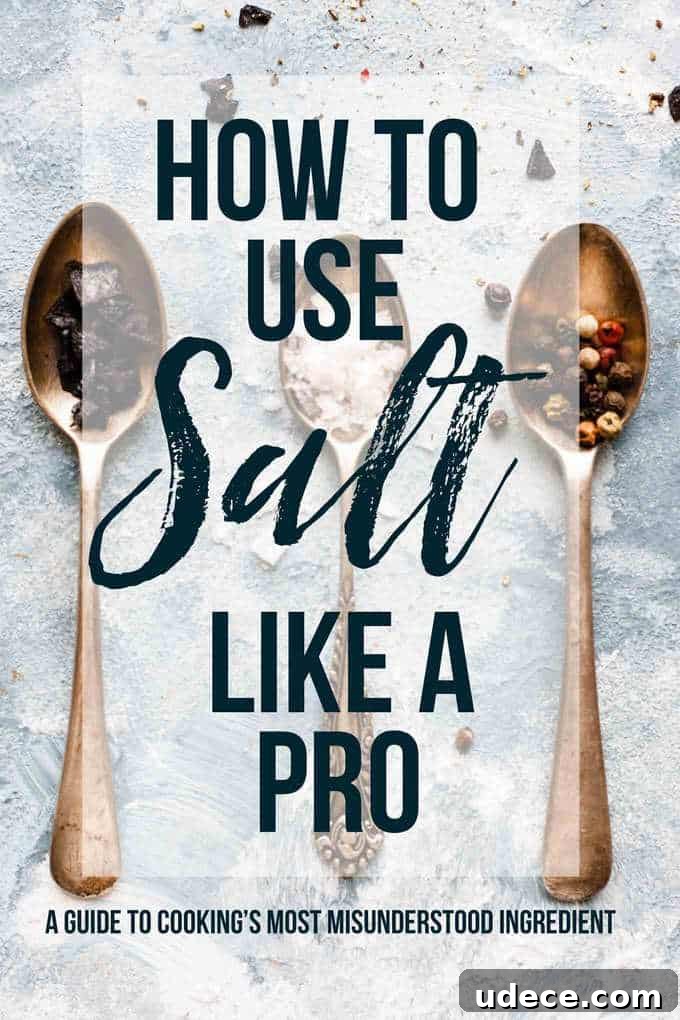
Black lava sea salt
Often sourced from places like Hawaii or Cyprus, this salt is mixed with activated charcoal and offers a pronounced mineral, earthy note. It’s used sparingly as a finishing salt for contrast and presentation.
Grey sea salt
Harvested using traditional methods in regions like Brittany, this moist, light grey salt offers a subtle briny flavor. It’s typically used as a finishing salt and prized in small amounts.
Fleur de sel
Considered one of the finest finishing salts, fleur de sel comes from specific salt marshes in France and is harvested by hand. Its delicate crystals and complex flavor make it ideal for finishing dishes, where a little goes a long way.
You can also create your own finishing salts by combining coarse salt with herbs, citrus zest, or other aromatics to match the dish you’re serving.
What does salt do to our food?
Beyond simply making food taste “saltier,” salt plays several important roles in cooking and flavor perception.
Salt reduces bitterness
A tiny pinch of salt can tame bitterness. When salt and bitter flavors activate the palate together, salt suppresses the bitterness, making the overall flavor more balanced and pleasant.
Salt enhances sweetness
When sweetness and bitterness coexist—think caramel—salt can reduce the bitter notes and amplify perceived sweetness. That interplay is why salted chocolate, salted caramel, and sweet-and-salty snacks are so appealing.
Salt amplifies aromas
Aroma contributes the majority of what we perceive as flavor. Salt draws moisture to the surface of foods, increasing release of fragrant compounds—an effect known as “salting out.” Salting citrus or other produce can intensify the scent and heighten the tasting experience.
How to use salt like a pro
Pros begin seasoning early and taste continually. Keep a small bowl of sea or kosher salt near your stove so it’s easy to reach while cooking. Season from a height to distribute flakes evenly, especially over proteins and vegetables. For soups and stews that are stirred frequently, distribution is less of a concern, but frequent tasting remains essential.
You can go up but never down
Once salt is in a dish, you can always add more, but you can’t easily remove excess. New cooks often over-season and learn this lesson the hard way. Add small amounts of salt frequently, tasting between adjustments, until the seasoning is right.
What to do if you add too much salt
It happens. If a dish becomes too salty, there are several ways to soften the taste: add acid (a squeeze of lemon or a splash of vinegar), enrich with dairy (butter, cream, or yogurt), or dilute the dish with unsalted liquid or additional ingredients. A classic technique is simmering with a peeled potato for 10–15 minutes; the potato can absorb some salt. Strain or remove the potato before serving. These fixes won’t always fully reverse heavy oversalting, but they can help rescue a meal.
Exceptions to early seasoning
Mushrooms
Salt mushrooms toward the end of cooking. Salting them too early draws out excess moisture and can leave them soggy instead of browned and flavorful.
Peas and broad beans
Salting the cooking water too early can toughen the skins of delicate legumes. Add salt toward the end of cooking for a tender texture.
Dried pulses and legumes
When soaking and cooking dried beans or lentils, avoid adding salt too early. Salt can toughen the outer layer and lengthen cooking time; wait until they are nearly tender before seasoning.
In short: use a good quality but not overly expensive sea or kosher salt, taste consistently throughout cooking, and aim for balance—food should not taste overtly salty but should reveal and enhance its natural flavors. “Season to taste” really means season to your taste, so adjust according to your preferences.
What about other “seasonings”?
Salt and acid enhance flavors. Other seasonings, like pepper, change the flavor profile. A grind of black pepper is commonplace and pleasant, but be mindful that each additional spice or seasoning alters the dish’s character.
How to season without salt
It is possible to create savory depth without plain salt. Ingredients such as soy sauce, fish sauce, miso, and umeboshi provide umami and salinity, but they also bring their own distinctive flavors. When using these, be conservative with added salt and taste frequently to avoid overpowering the dish.
Salt has been viewed negatively in recent years because of health concerns, but much of the problem comes from hidden sodium in processed and packaged foods. Cooking from scratch and seasoning intentionally lets you control how much sodium you use while still enjoying flavorful meals.
Cook from scratch, taste as you go, and salt will become one of your most useful tools in the kitchen.