
Standardized recipes are an essential tool for any kitchen. They help ensure consistent, high-quality meals for students while meeting meal pattern requirements. Many standardized recipes can enhance your school nutrition program, but when you adopt a recipe it’s best practice to standardize it for your own kitchen. Variables like equipment, ingredient brands, and staff technique can affect results. Below are practical tips for creating and adapting standardized recipes so they perform reliably in your operation.
Standardize recipes using weights NOT volume.
- People measure teaspoons and cups differently—some pack ingredients, others scoop lightly. Using a scale eliminates that variability. Weighing ingredients ensures the same amounts every time, regardless of who prepares the recipe, improving consistency over time and across a district.
- Always tare the scale to zero with the container you are using for weighing.
- When recipes are written in weight, scaling up or down becomes far simpler and more accurate than converting by volume.
Understand cooking methods
- Knowing wet and dry cooking methods lets you substitute equipment when the exact tool called for in a recipe isn’t available. Understanding the technique prevents unwanted changes to texture and flavor.
- Moist Cooking Methods: steaming, boiling, braising, stewing. Typical equipment includes combi ovens, kettles, tilt skillets, steamers, or an oven setup using a solid hotel pan with a perforated pan above to create steam.
- Dry Cooking Methods: sautéing, roasting, baking. Typical equipment includes ovens, kettles, stovetops, and tilt skillets.
Understand the why
- Be able to explain why a particular technique is used. For example, roasting is a dry, high-heat method with little fat that promotes caramelization of natural sugars, producing a complex flavor and browned crust. You cannot achieve that same caramelization in a steamer because it lacks the required dry heat.
- Knowing why you choose a method allows you to adapt recipes to limited equipment while preserving intended results—for instance, preparing an oven-baked “fried” rice when a wok is not available.
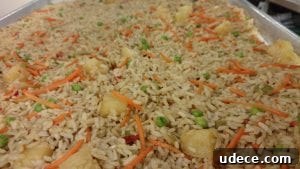
Chef Sam’s Oven Baked “Fried” Rice: A versatile side that complements Asian dishes or a simple fruit and salad offering. Prepared in the oven with colorful vegetables and classic seasonings, a touch of pineapple adds a bright, sweet note.
Standardize recipes for correct serving size if one isn’t provided
- Standardize the recipe at a practical batch size (for example, 50 servings). Weigh all ingredients, including spices (use grams). After cooking, portion the final product into a container marked with quarts and gallons, then place that container on the scale (subtract the container’s tare weight). This gives an exact serving weight to reduce waste and produce accurate production records.
Know the variables of creating recipes
Understand that ingredients matter
- Substituting ingredients can change the final product. For example, using shelf-stable lemon or lime juice instead of freshly squeezed will alter the flavor profile. Be mindful when switching forms or brands.
- Tip: ask your vendor about fresh pasteurized citrus juice. Citrus is a sodium-free way to brighten flavor; if buying in bulk, freeze portions sized for your recipes so you can thaw only what you need.
Understand spices
- Dried spices and herbs begin to lose potency after about three months; by one year their flavor impact can be significantly reduced. Older spices may require larger amounts to reach the intended flavor.
- Add dried herbs and spices early in cooking so they can bloom and develop. If you add a spice at the end of cooking, allow time for it to integrate before judging the final flavor.
Understand produce seasonality
- Produce flavor and quality vary by season and source. Off-season fruits and vegetables may be less sweet or flavorful, which can affect standardized recipes.
- Tip: enhance off-season fruit with a splash of fresh citrus or a sprinkle of herbs to boost flavor. Roasting out-of-season vegetables often brings out deeper, more complex flavors.
- Roasted Veggie Medley: a combination of squash, broccoli, and red bell pepper makes a colorful, flavorful vegetable side. Roasting concentrates natural sugars and adds caramelized notes that elevate simple produce.
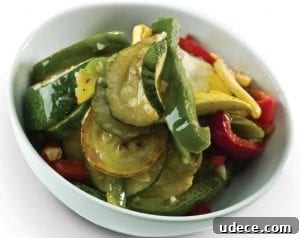
Roasted Veggie Medley: Squash, broccoli, and red bell pepper combine for a bright side dish with appealing color and robust flavor. Properly standardized and roasted, this dish delivers consistent results even when seasonal variations occur.