
Gluten-free corn dogs are a carnival or state fair classic, but they can be hard to find at the event itself. So why not make them at home?

What makes these gluten-free corn dogs special?
Making corn dogs at home is a bit messy, but they’re the kind of food that makes people cheer. Anyone who even mildly enjoys hot dogs will appreciate the crispy corn batter wrapped around a warm hot dog on a stick.
Baked goods feel like a gift because baking is optional—people notice when you bake. Deep-fried corn dogs sit between everyday food and a special treat: comforting, savory, and memorable.

Secrets to making gluten-free corn dogs successfully
The technique matters more than the ingredients for corn dogs. Follow the recipe closely, and you’ll consistently get a good result. Small deviations in technique—how you coat the hot dogs, how thick the batter is, and how you fry—make the biggest difference.
Here are the essentials I follow every time.
Prepare the hot dogs properly
The batter needs something to cling to, so dry the hot dogs thoroughly before coating them. After drying, toss them in a light dusting of gum-free gluten-free flour to help the batter adhere. The batter is thick and slick, so that extra step prevents it from sliding off.
Prepare and apply the batter properly
The batter should be thick, well combined, and chilled. A tall jar works well for dipping. Dip the hot dog, let excess batter drip, dip again, and twirl the stick so the batter forms an even layer. Place each coated hot dog gently into the hot oil.
If the corn dog briefly sticks to the bottom of the pan, free it gently before flipping. If a small bare spot appears, it just reveals a bit of browned hot dog—no harm done.
Be mindful when you insert the sticks
Insert the stick horizontally into the center of each hot dog so it stays straight while frying. If you can’t find bamboo skewers on the shelves, check near the meat counter or ask the butcher. Lollipop sticks also work and give a neat appearance.
Don’t use an air fryer
An air fryer won’t produce the same crispness. If the batter is thick enough to hold on a rack, it won’t get truly crisp; if it’s the batter from this recipe, it will likely slip off and pool in the basket. For authentic texture and color, deep frying is best.
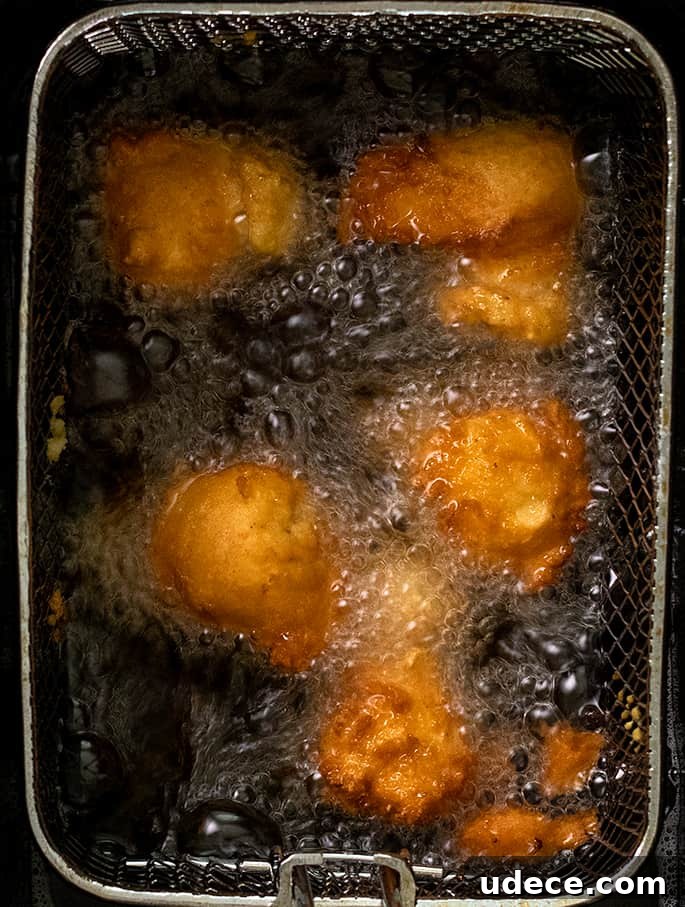
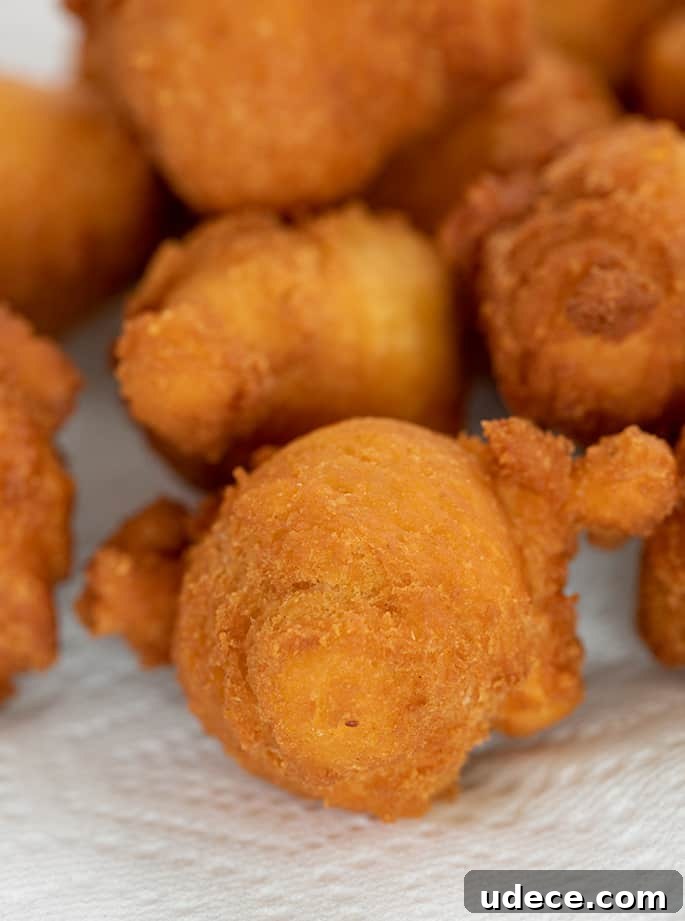
How to make gluten-free corn fritters from the same batter
When you heat oil to fry, you might as well use it for more than one batch. Leftover corn dog batter can be thickened slightly to make corn fritters. Many cooks double the batter even if they don’t plan to double the corn dogs, simply to have fritters as well.
As a rule of thumb, add about 1 tablespoon (roughly 9 g) of extra corn flour or gum-free gluten-free flour for each 1/4 cup of leftover batter. You want the batter thick enough that it pulls away from the sides of the bowl when mixed. To make sweeter fritters, add a little granulated sugar, then thicken as needed. Dust warm fritters with confectioners’ sugar for a sweet finish.
If you’re making corndogs for kids, another kid-friendly gluten-free option to consider is gluten-free crab rangoon.
Ingredients and substitution suggestions
Gluten-free, dairy-free option
The batter includes milk, but you can swap in your preferred non-dairy milk to make these dairy-free.
Can you make them without an egg?
The egg gives the coating structure and helps it cling while frying. Because it’s responsible for the batter’s integrity, I don’t recommend leaving it out or using a replacement in this recipe.
What kind of cornmeal or corn flour to use
I like a mix of finely ground corn flour and coarsely ground yellow cornmeal: the corn flour helps the batter cling, and the coarse cornmeal adds texture. If you prefer a more pronounced corn flavor and slight crunch, use all coarsely ground cornmeal. You can also grind coarse cornmeal briefly in a blender for a finer texture.
These are corn-based fritters and corn dogs—corn is essential. A recipe without corn would be a different dish entirely.
About the gluten-free hot dogs
Many commercial hot dogs are gluten-free, but always check labels. Some brands add wheat-based fillers. Popular gluten-free choices include Applegate Farms and certain Hebrew National or Nathan’s varieties. If you use a plant-based or vegan hot dog, be sure it holds up to frying.
FAQs
Traditional corn dogs typically include wheat flour in the batter. Using a fully gluten-free recipe, with gluten-free corn flour/cornmeal and a gum-free gluten-free flour blend, makes the corn dogs safe for those with celiac disease or gluten intolerance. Always verify ingredient sources.
An air fryer is unlikely to give the same result. The batter tends to pool or slip off in an air fryer basket. Deep frying is the best method for an even, crisp coating.
Corn contains its own proteins sometimes called “corn gluten,” but when we refer to “gluten” we mean the proteins in wheat, barley, and rye. Corn itself is gluten-free.
Many hot dogs are gluten-free, but some brands add wheat-based fillers. Check labels or contact manufacturers if in doubt.
Gluten-free corn dogs recipe, with corn fritters

Equipment
- Deep fry/candy thermometer
- 12 bamboo skewers or lollipop sticks
Ingredients
For the corn dogs
- 6 gluten-free hot dogs
- 1/2 cup (70 g) gluten-free corn flour or cornmeal
- 1/2 cup (70 g) gum-free gluten-free flour blend, plus more for sprinkling
- 1 tablespoon (12 g) granulated sugar (optional)
- 2 teaspoons baking powder
- 1/2 teaspoon kosher salt
- 1 egg (about 50 g), at room temperature, beaten
- 1/2 cup (4 fl oz) milk, at room temperature (or dairy-free milk)
- Oil for deep frying (a mix of shortening and vegetable oil works well)
- 12 lollipop sticks or bamboo skewers
For fritters
- Additional corn flour or gum-free gluten-free flour by the tablespoonful to thicken leftover batter
- Confectioners’ sugar for dusting (optional)
Instructions
To make corn dogs
- Whisk corn flour or cornmeal, gum-free flour blend, optional sugar, baking powder, and salt in a small bowl. Add the beaten egg and milk; whisk until very smooth.
- Transfer the batter to a tall, narrow glass or mason jar and chill in the refrigerator while you prepare the hot dogs.
- Remove hot dogs from the package and pat dry. Cut each hot dog in half crosswise to make shorter pieces.
- Insert a stick into the cut end of each hot dog, pushing it about halfway up. Keep the stick parallel to the hot dog so it doesn’t pierce the side.
- Toss each hot dog lightly in the gum-free gluten-free flour blend to give it a thin coating all the way around, including the cut end. Set aside.
- Line a large plate with disposable paper towels and set aside for draining fried corn dogs.
- Pour frying oil into a medium heavy-bottom saucepan and clip a candy thermometer so the probe sits in the oil without touching the bottom. Heat to 350°F (177°C), then adjust the heat to maintain that temperature.
- Remove the batter from the refrigerator and whisk briefly to loosen it if needed.
- Holding the stick, dip a prepared hot dog into the batter, remove slowly to let excess drip, and dip again. Twirl the stick to even out the coating.
- Gently place the coated hot dog into the oil. If it sticks, shake the pan lightly to free it. Fry until deep golden brown, turning as needed—about 2 minutes before rotating, and until uniformly golden.
- Remove the corn dog to the paper towel-lined plate to drain. Repeat with remaining hot dogs.
- Serve immediately, or keep warm and crisp them in a 300°F oven for about 5 minutes before serving.
To make corn fritters with leftover batter
- Add about 1 tablespoon of corn flour to each 1/4 cup of leftover batter to thicken it to a scoopable consistency.
- Using a small spring-loaded scoop (#50 works well), drop mounds of batter into the hot oil and fry, turning once, until evenly golden brown, about 4 minutes total.
- Remove fritters to paper towels to drain, sprinkle lightly with confectioners’ sugar if desired, and serve warm.
Notes
For the corn flour or cornmeal: Use all cornmeal for a stronger corn flavor and a bit of crunch, or combine corn flour and coarse cornmeal for the best texture.
I often grind coarse yellow cornmeal in a blender to make a finer corn flour if I don’t have it on hand.
For the gum-free gluten-free flour blend: A simple blend is 66% superfine white rice flour, 22% potato starch, and 12% tapioca starch. For 1/2 cup (70 g) use approximately 46 g superfine white rice flour, 15 g potato starch, and 9 g tapioca starch.
Originally published in 2013. Updated with new photos and video; core recipe unchanged.