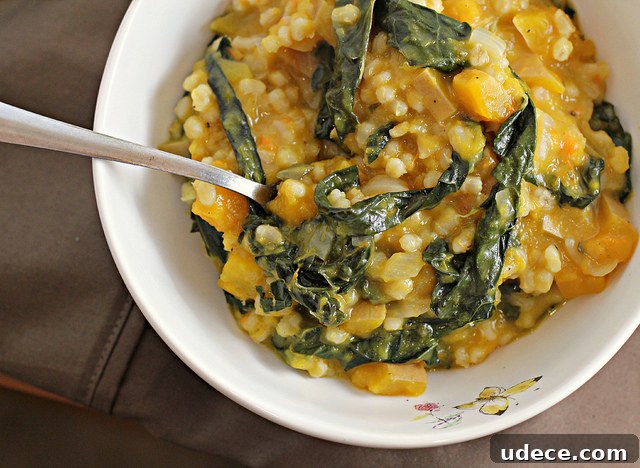
I watched Wednesday night’s presidential debate with a bowl of risotto on my lap, a Republican to my right and a Democrat to my left. I expected sparks — lively disagreement, pointed arguments, maybe even a mispronounced “nuclear.” Instead I sat between two people waiting for the moment when either would blow my mostly-formed opinions apart. I hoped Jim Lehrer would ask incisive questions that forced the candidates to explain the specifics of their vague policy proposals.
What I got, though, were contrived anecdotes about hypothetical voters they supposedly met on the campaign trail — always from swing states, always perfectly scripted to make a point — followed by the familiar, non-specific talking points that have dominated the season. It was polished theater, not candor.
Part of me misses the simpler, more absurd moments in past elections. Call it nostalgia: I even found myself missing Joe the Plumber.
So I’m declaring my candidacy for a new office: moderator of the 2016 presidential debates. Clearly someone needs to expose who these candidates really are and what they truly believe. And I’m convinced I’m the right person for the job.
My proposal is to reinvent the debate format entirely. Instead of the same recycled questions about health care, tax policy and the economy — answers to which can already be found on campaign websites — we should focus on what reveals candidates’ character and personality. The small, human details that make public figures relatable: what comforts them after a long day, whether they prefer vanilla or chocolate, which winter squash they favor. These aren’t policy details, but they do give voters a sense of the person behind the platform.
To make the evening entertaining and memorable, I suggest a format inspired by popular reality television reunions. Imagine an exchange where moderators press candidates on their pet peeves, their most regrettable moments, and the people who most influence them. A touch of drama — not violence, of course, but real emotion — could keep viewers engaged and reveal traits that rigid policy debates miss.
Yes, such an approach won’t directly tell voters who would make the best president, but it will keep the audience awake and engaged. After all, a debate that leaves people face-planting into their bowls of risotto within the first forty-five minutes fails at its primary job: informing and holding candidates to account while keeping the public’s attention.
Barley Risotto with Butternut and Gruyere
Serves 4, adapted from Cooking Light (January 2012)
Ingredients
- 1 tbsp olive oil
- 1 1/2 cups chopped onion
- 1 cup uncooked barley
- 1 garlic clove, minced
- 1/2 cup vegetable broth
- 4 cups water, divided
- 1 butternut squash, peeled and cubed
- 1 bunch lacinato kale, chopped
- 1 tbsp chopped fresh sage
- 3/4 tsp kosher salt
- 1/2 tsp freshly ground black pepper
- 4 oz Gruyere cheese, grated
Instructions
- Heat a Dutch oven or large pot over medium-high heat. Add the olive oil and swirl to coat the pan.
- Add the onion and sauté for about 5 minutes, until tender. Stir in the barley and minced garlic and cook for 1 minute, stirring constantly.
- Pour in the vegetable broth and cook until it evaporates, stirring. Add 1 cup of water and cook until absorbed, about 8 minutes, stirring. Continue adding the remaining water 1 cup at a time, stirring until each addition is absorbed before adding the next.
- When most of the liquid has been incorporated, stir in the butternut squash, kale, sage, salt and pepper. Cover, reduce the heat, and simmer for about 30 minutes, stirring occasionally, until the squash is tender and the barley is creamy.
- Remove from heat and stir in the grated Gruyere until melted and smooth. Serve immediately.
For other fall risotto ideas, see previous recipes on this site.