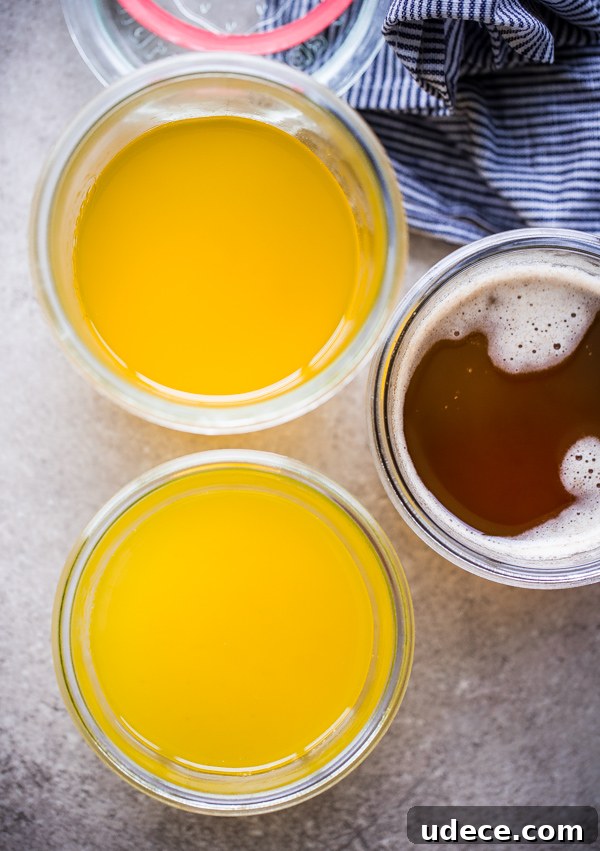
A comprehensive guide to making clarified butter, ghee, and brown butter — and explaining the differences between them.
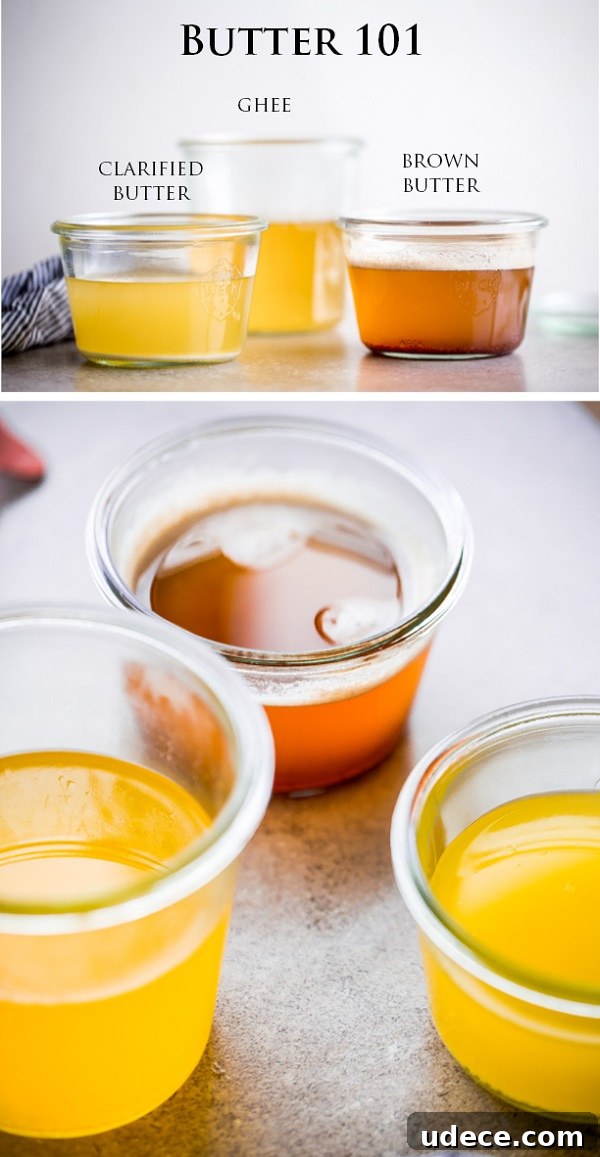
Let’s talk butter: clarified butter vs. ghee, and brown butter too. All three are delicious and useful in different ways. This post explains what each is, why you might use it, and how to make them at home.
Clarified Butter
Clarified butter is essentially pure butterfat. Regular butter is made up of three components: butterfat, milk solids, and water. Most commercial butter is about 80% butterfat, 16–18% water, and a small percentage of milk solids. European-style and some homemade butters can contain more butterfat, which affects flavor and baking performance.
Removing the water and milk solids leaves clarified butter — pure butterfat with a clean, rich butter flavor and a much higher smoke point than whole butter. That higher smoke point makes clarified butter ideal for sautéing, searing, and other high-heat cooking methods where whole butter would smoke and burn because of its milk solids.
Whole butter has a smoke point around 350°F (176°C), while clarified butter is around 450°F (232°C), giving you a comfortable buffer for many high-heat techniques. Clarified butter also stores well in the refrigerator for at least a month, so it’s practical to make a larger batch at once. Expect roughly a 25% loss in volume when you clarify butter (about 1 cup of butter yields ~3/4 cup clarified butter).
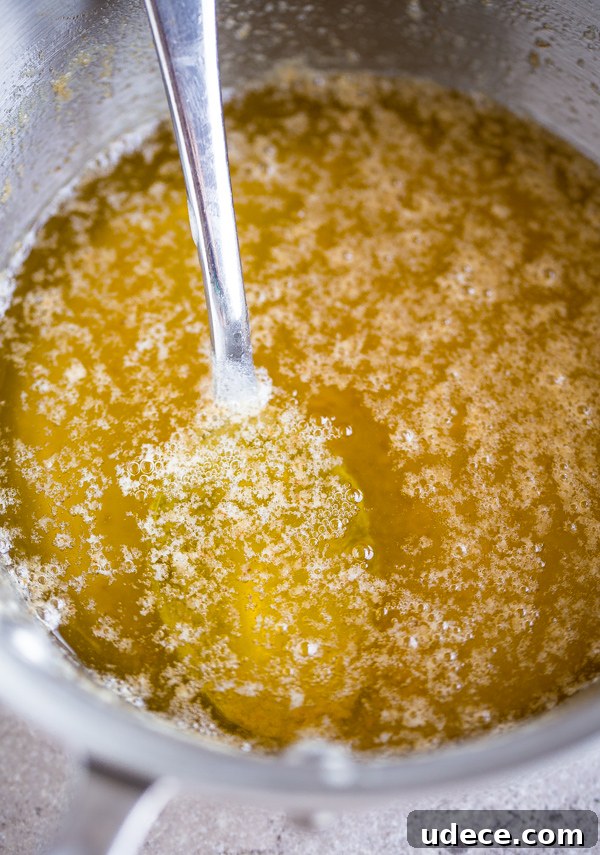
How to make clarified butter: gently melt butter over low heat and let it simmer. Foam (whey proteins) will rise to the surface; skim this off during cooking and reserve it if you like for sauces or to toss with pasta. The milk solids will sink to the bottom as the water evaporates and the bubbling quiets. Remove the pan from heat before the solids begin to brown, let it settle a few minutes, then strain the clear yellow butterfat through cheesecloth into a heatproof jar. The result should be clear, light yellow, and ready for cooking.
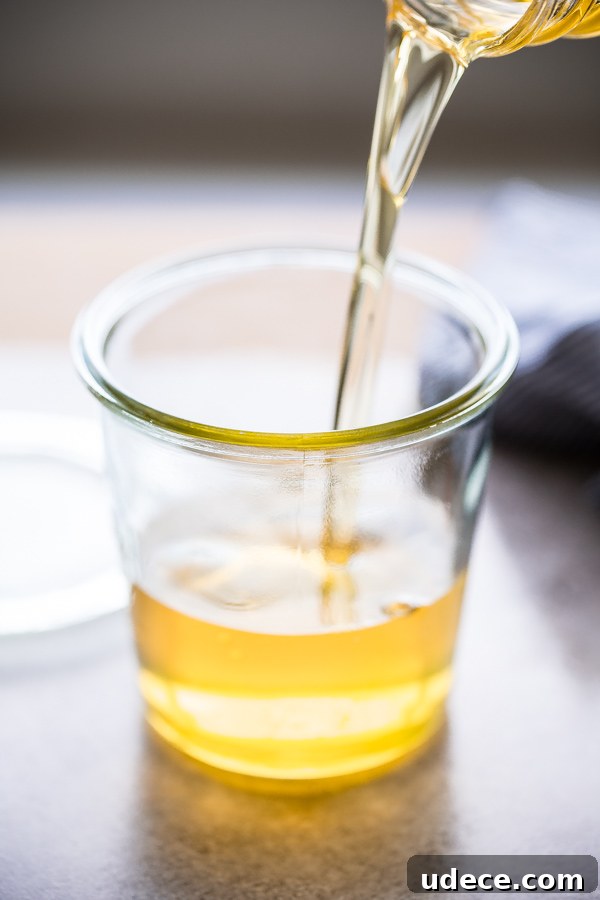
Why Use Clarified Butter for Cooking?
Because it combines the rich flavor of butter with a higher smoke point, clarified butter is ideal for frying, searing fish or meat, and finishing dishes where you want butter flavor without the risk of burning. It also keeps longer and is convenient to have on hand when you need reliable, high-heat butterfat.
Ghee
Ghee is a traditional Indian form of clarified butter. It is made similarly to clarified butter but cooked a little longer so the milk solids at the bottom of the pan begin to caramelize lightly. That caramelization creates a deeper, nuttier aroma and a slightly more golden color compared to clarified butter.
Like clarified butter, ghee is mostly pure butterfat and has many of the same culinary uses. Because the milk solids have been browned and removed, ghee also stores well. To make ghee, follow the same initial steps as for clarified butter, but continue cooking just long enough for the milk solids to take on a light golden-brown color and a nutty fragrance. Remove from heat, allow to settle, then strain through cheesecloth into a jar.
Brown Butter
Brown butter (beurre noisette) is a different approach: instead of removing the milk solids, you intentionally caramelize them in the pan. As the butter melts and foams, the milk solids eventually turn golden-brown and release a rich, toasty, nutty aroma and flavor. Brown butter must be watched carefully because it moves quickly from perfectly browned to burned.
The difference between brown butter and ghee or clarified butter is that brown butter retains the milk solids and develops a deeper, more intense flavor. This makes it exceptional in baked goods, sauces finished off the heat, and applications where you want that concentrated toasty caramel note. Brown butter is best added at the end of cooking or used in recipes that won’t subject it to high direct heat for long.
To make brown butter, melt butter over low to medium heat, optionally increasing to medium to speed the process, and stir or swirl continuously while scraping the pan bottom to encourage even caramelization. When the butter turns a light amber and smells nutty, remove it from the heat immediately — it will continue to darken slightly as it cools. Transfer to a heatproof bowl, scraping up the brown bits, which are full of flavor. Cool and store in the refrigerator; brown butter keeps for at least a week.
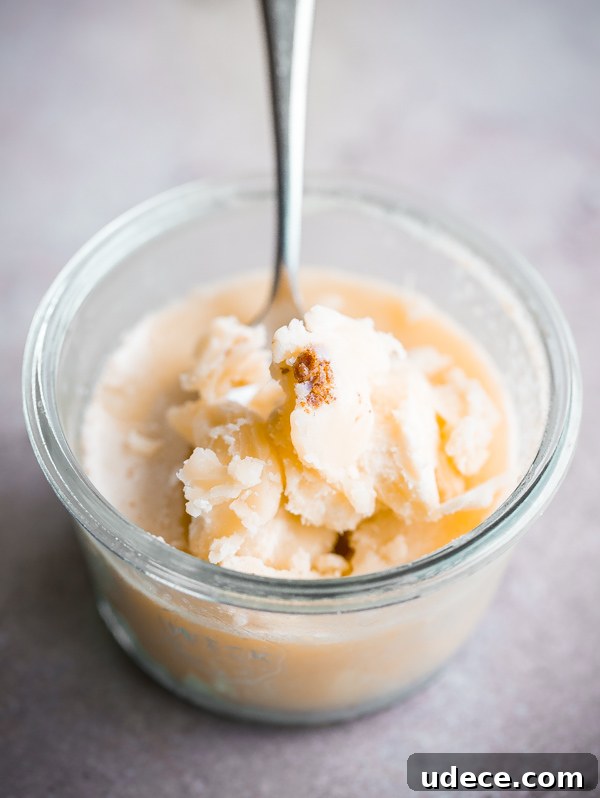
Brown butter shines in baked goods: cookies, cakes, quick breads, and frostings benefit immensely from its toasty depth. You can also cool and solidify brown butter and use it in place of regular butter in many recipes for an elevated flavor.
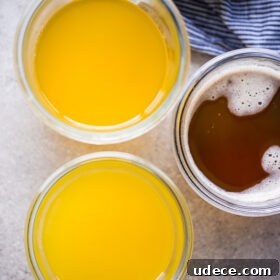
How to Make Clarified Butter, Ghee, and Brown Butter
Ingredients
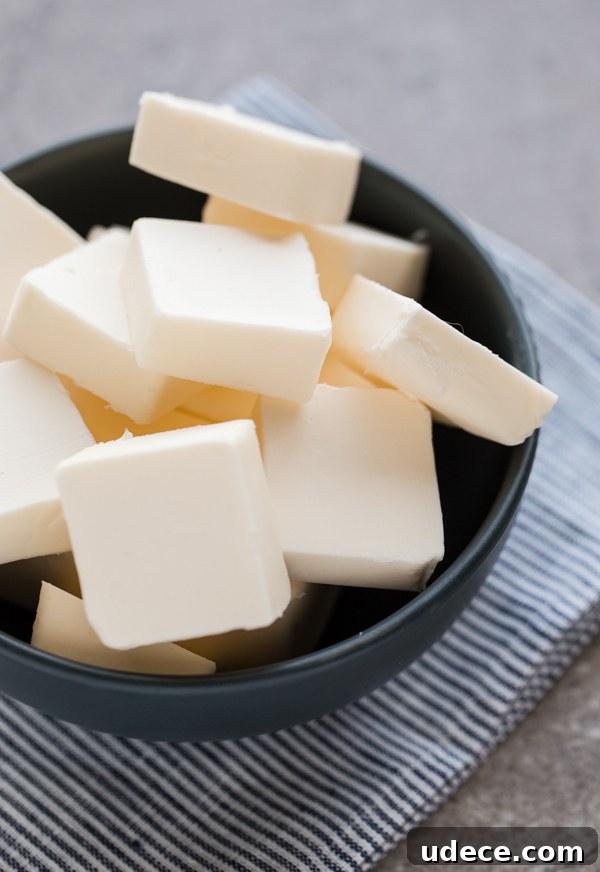
- 2 sticks (8 oz; 230 g) high-quality unsalted butter preferably more
Instructions
How to Make Clarified Butter:
-
Line a fine-meshed sieve with several layers of cheesecloth and set over a heatproof measuring cup.
-
Cut butter into ½-inch slices and place in a medium saucepan. Heat over low until completely melted.
-
Allow to simmer on low. As the butter bubbles and splutters, foam (whey proteins) will rise. Skim the foam carefully with a spoon throughout the process. Do not stir the butter. Reserve the foam if desired for other uses.
-
When the foam dissipates and small, clear bubbles form, remove from heat, let settle a few minutes, skim any remaining foam, and strain through the cheesecloth-lined sieve. Discard solids left in the pan. Cool, transfer to a jar, and refrigerate. Store for at least a month.
How to Make Ghee:
-
Follow the clarified butter steps. After the foam dissipates and bubbling subsides, continue cooking just until the milk solids on the bottom of the pan turn a light golden brown and a nutty aroma develops.
-
Remove from heat immediately, let sit briefly, skim surface foam, and strain through cheesecloth so the solids are caught. Cool and store in a jar in the refrigerator. Ghee will keep at least a month.
How to Make Brown Butter:
-
Cut butter into ½-inch slices and place in a medium saucepan. Heat over low until melted.
-
Allow to simmer; you may increase heat to medium to speed things up, but watch carefully.
-
Continue cooking as it bubbles, stirring continuously with a spatula and scraping the pan bottom so the milk solids brown evenly. When the butter becomes fragrant and a light amber color, reduce heat and swirl until desired aroma and color develop.
-
Turn off the heat immediately and transfer to a heatproof bowl, scraping up the brown bits from the pan — those bits are highly flavorful. Cool, store in a glass jar, and refrigerate. Brown butter keeps at least a week.