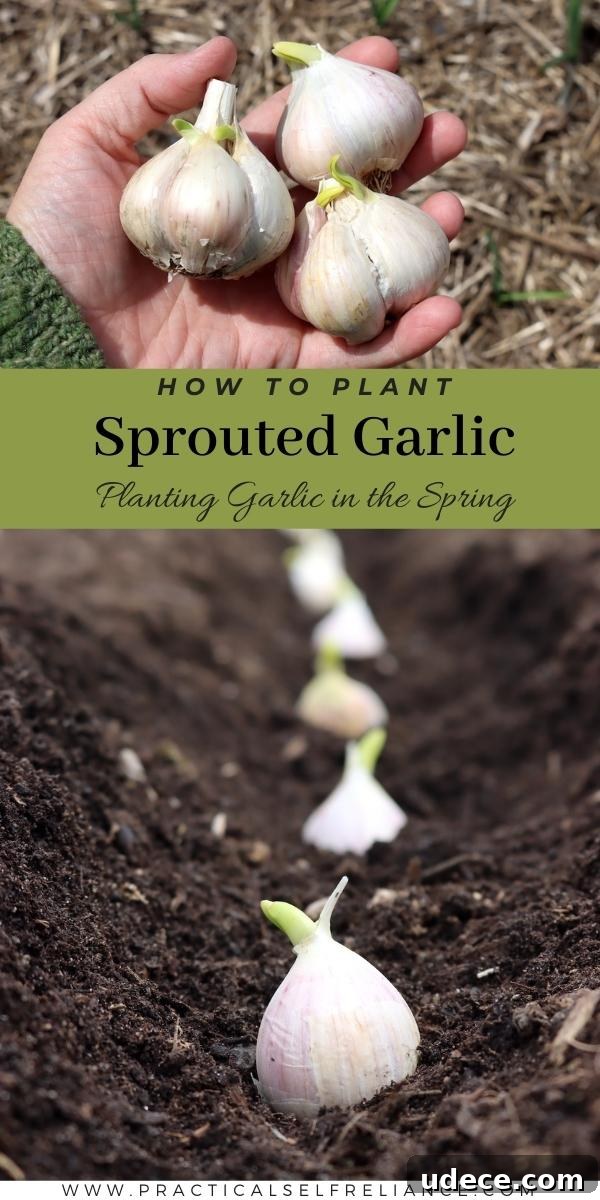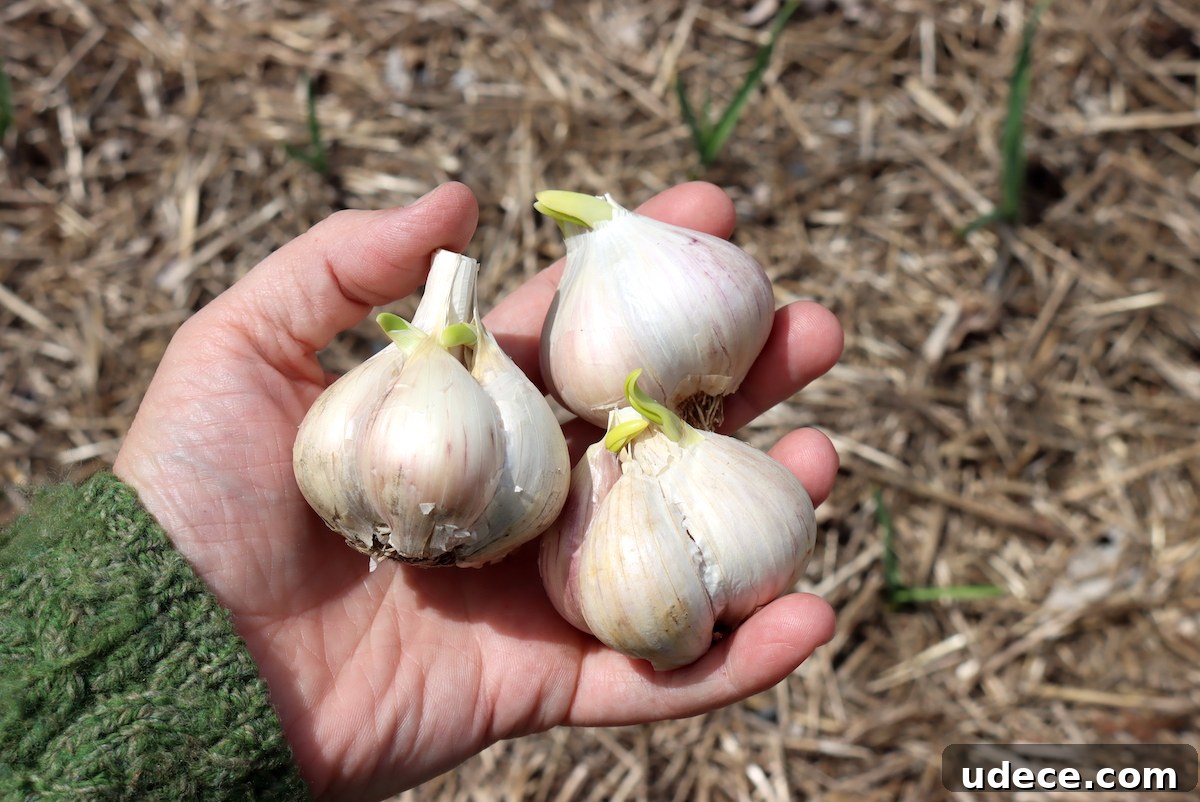
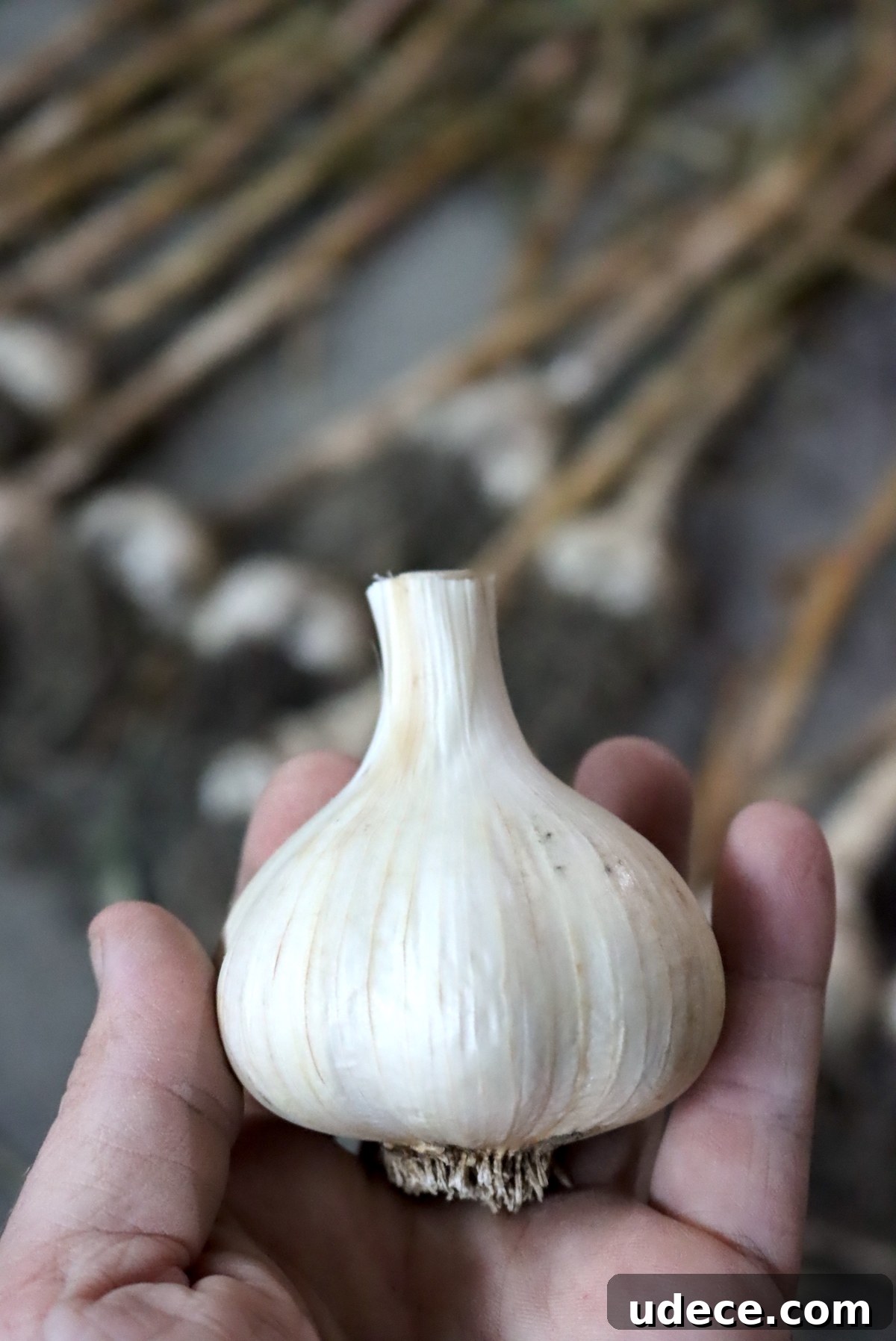
Planting sprouted garlic is one of the simplest and most productive spring projects for a homestead. Any clove that has begun to sprout in your pantry can be planted directly in the garden and will grow into a full bulb by late summer. While many gardeners are taught to plant garlic in fall, spring planting works well—especially when you’re working with sprouted cloves that are already eager to grow. Those forgotten end-of-winter pantry bulbs most people toss make excellent, free seed stock for the coming season.
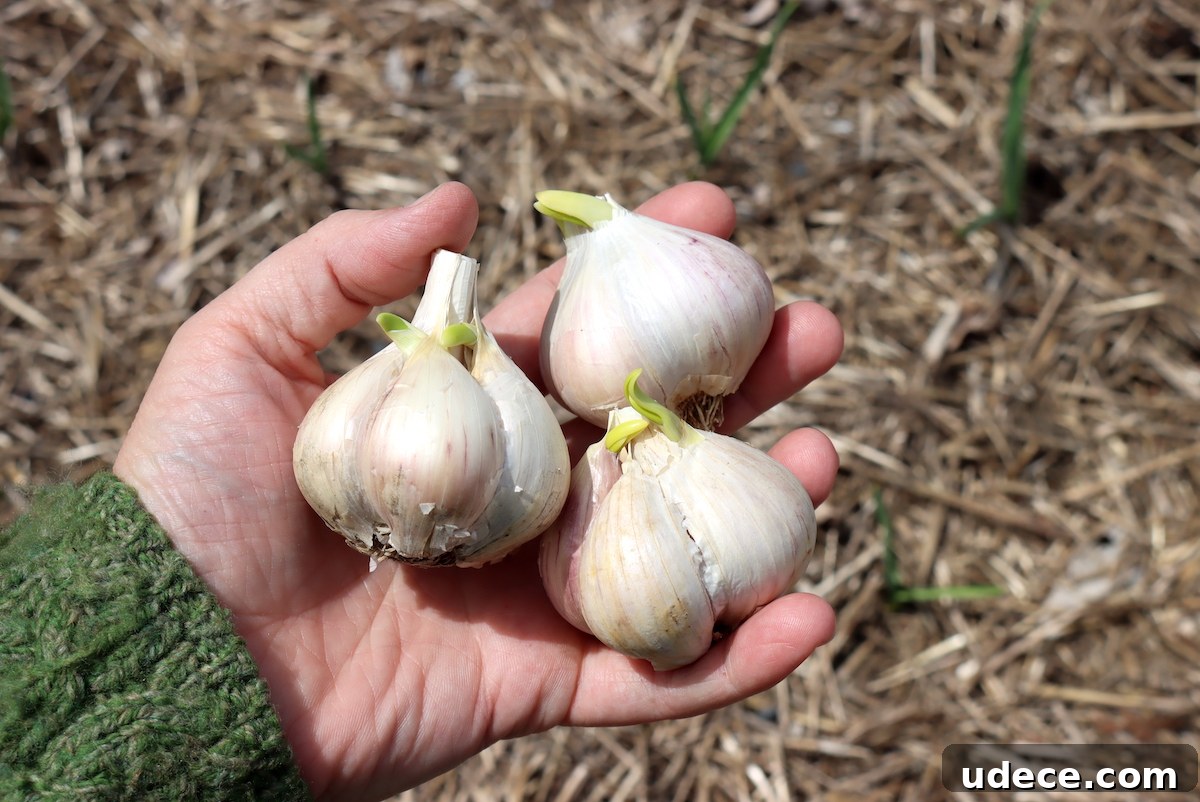
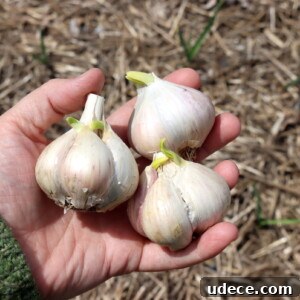
Garlic usually stores well, but eventually a head will be forgotten and start to sprout. The cloves push out green shoots, the bulb softens, and it can look past saving for the kitchen. In reality, sprouted garlic is extremely useful. Each clove can become a full bulb in a few months, and a single neglected head can turn into a sizeable patch in your garden.
Notes from My Homestead

This topic came up when my mom called one spring after finding a sprouting head of garlic in her pantry. She’d never grown garlic and didn’t use it often, so it had sat forgotten. She asked whether sprouted garlic was safe to eat and whether it could be planted. We plant garlic in fall on our farm, but spring-planted sprouted cloves work just fine. With a little guidance she set the cloves in the garden, and a few months later she harvested a dozen full heads from that one forgotten bulb. It’s a great example of turning kitchen scraps into a productive garden harvest.
Can You Plant Sprouted Garlic?
Yes. Any garlic that has started to sprout can be planted and will typically develop into a full-sized bulb within months. Sprouted cloves have already broken dormancy and begun top growth, so once planted their roots develop quickly to support the shoot and the plant takes off. The only real limitation is frozen soil; if the ground is solidly frozen, hold off planting outdoors or start the cloves in pots indoors until the soil thaws.
In warm climates where soil rarely freezes, sprouted garlic can be planted outdoors almost any time except the peak summer heat. Garlic prefers cool growing conditions, so early spring or fall are the best windows for planting sprouted cloves.
Can You Plant Garlic in the Spring?
Absolutely. Spring-planted garlic produces full bulbs the same year, usually ready in late summer. Bulbs from spring plantings can be slightly smaller than fall-planted ones because they miss fall root establishment, but they are still complete, usable bulbs that store and cook the same way.
Plant as early as the soil can be worked—ideally 4 to 8 weeks before your last expected frost. Garlic tolerates light frost and prefers as much cool weather as possible, so earlier spring planting usually yields better results than waiting until warm weather arrives.
Is Sprouted Garlic Safe to Eat?
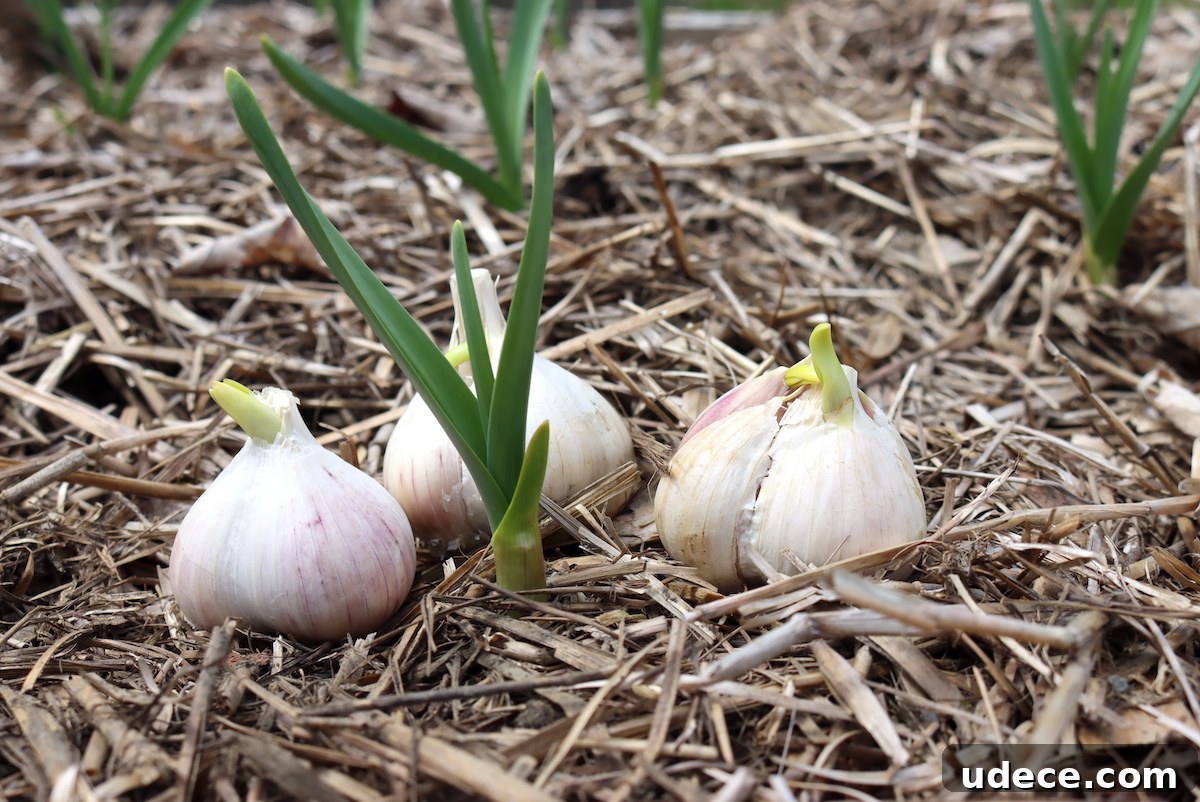
Yes. Sprouted garlic is safe and edible. Its flavor becomes milder and greener—more like chives or green onion—than the sharp bite of cured garlic. Some people prefer sprouted garlic raw for dressings or pestos because of that mildness, while others use it cooked in sautés, soups, and sauces.
Sprouted garlic also doesn’t store well once dormancy is broken. The bulb uses stored sugars to feed the sprout, leading to softening and eventual rot over a few weeks. If you won’t use sprouted cloves within a week or two, planting them gives them a productive second life.
Why Is My Garlic Sprouting?
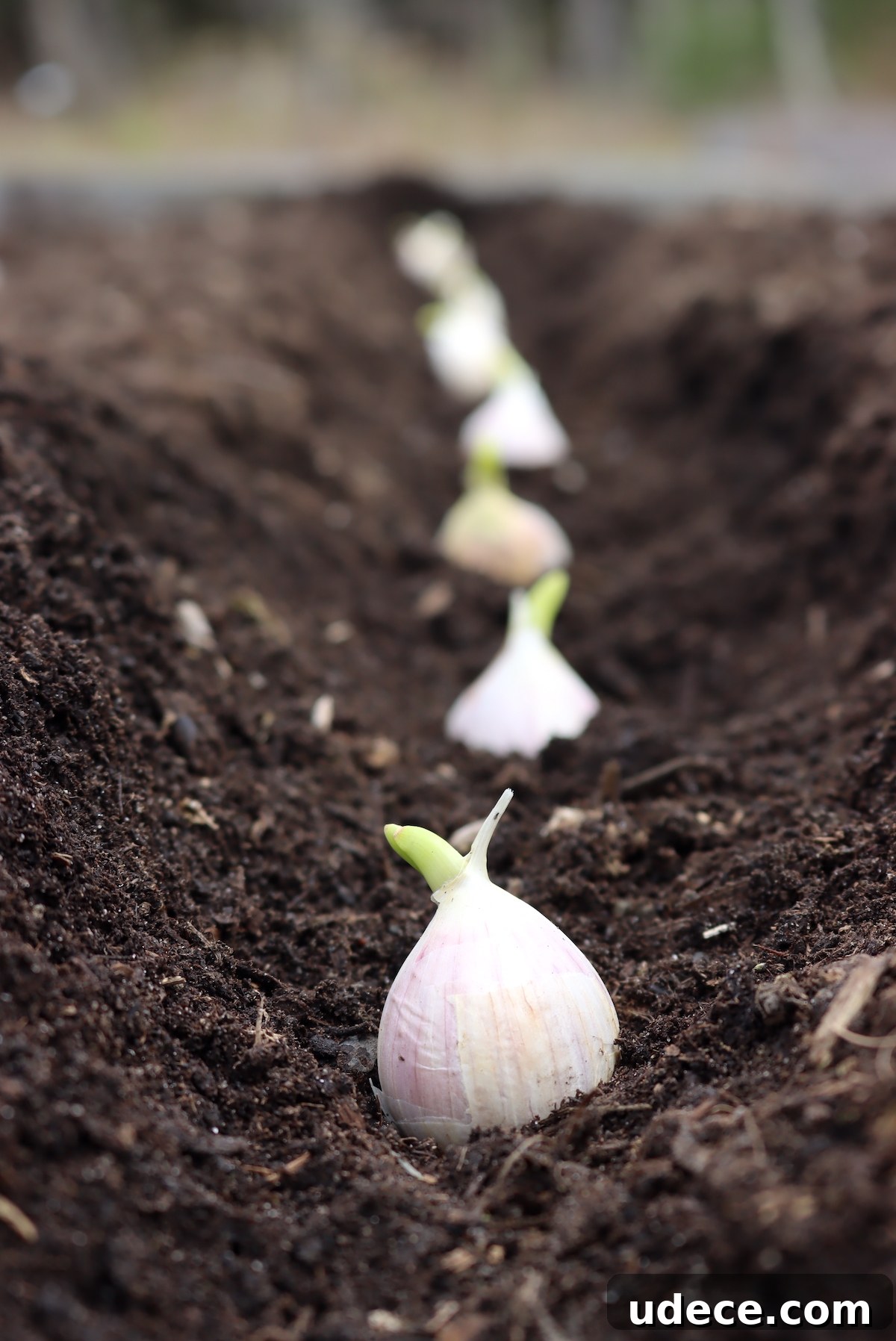
Garlic sprouts when it exits dormancy, typically 4 to 6 months after harvest. Storage conditions affect timing: cool, dry, dark spots with good air circulation prolong dormancy, while refrigeration or warm, humid conditions can trigger earlier sprouting. If a bulb sprouts earlier than you want, the practical options are to use it quickly in the kitchen or plant it in the garden.
Preparing Sprouted Garlic for Planting
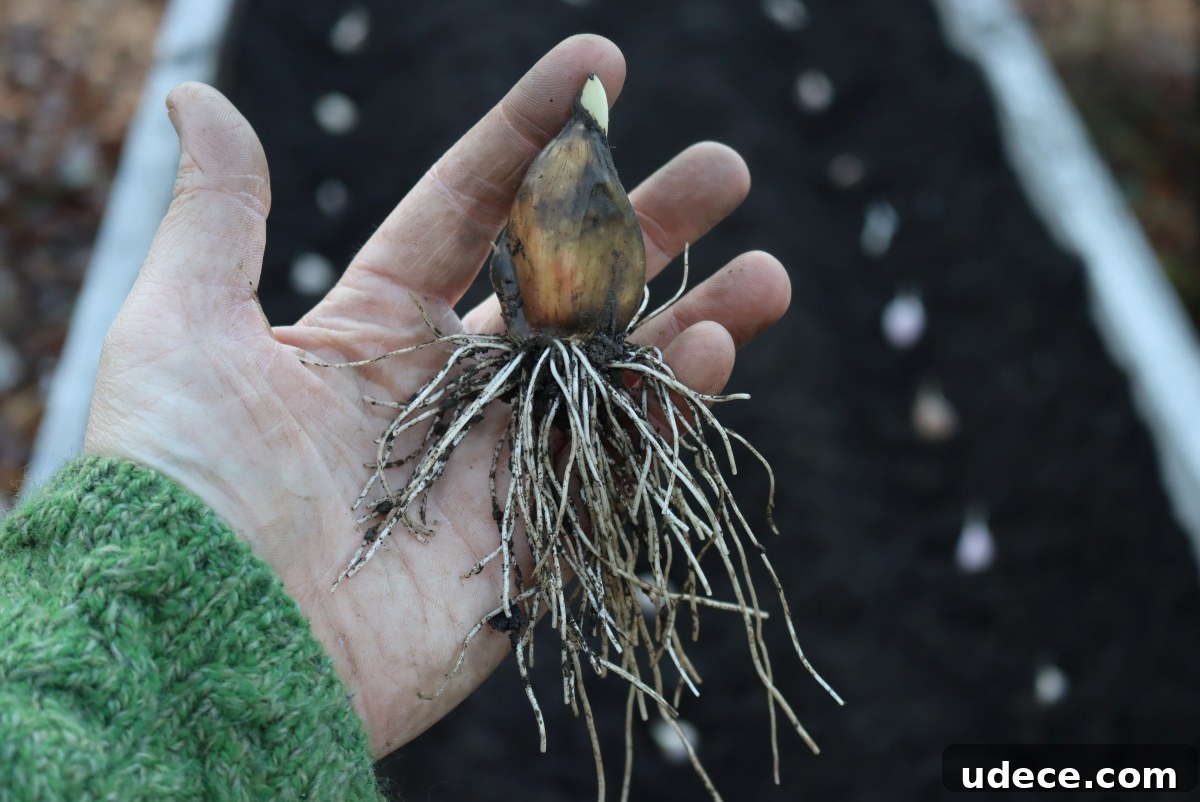
To prepare sprouted garlic, remove the loose outer papery wrapper and separate the bulb into individual cloves. Don’t peel the cloves themselves—leave their thin papery skins intact for protection. Plant each clove separately; planting an intact bulb will cause the cloves to crowd and produce small, stunted bulbs.
Handle the green shoot carefully—damaging it will delay development. If sprouts are pale from dark storage, they will green up after a few days in sunlight.
How to Plant Sprouted Garlic
Plant sprouted cloves in a sunny spot with rich, well-draining soil. Work 2 to 3 inches of finished compost into the bed before planting. Garlic prefers slightly acidic to neutral soil (pH 6.0–7.0) and does poorly in waterlogged clay, so amend heavy soils to improve drainage.
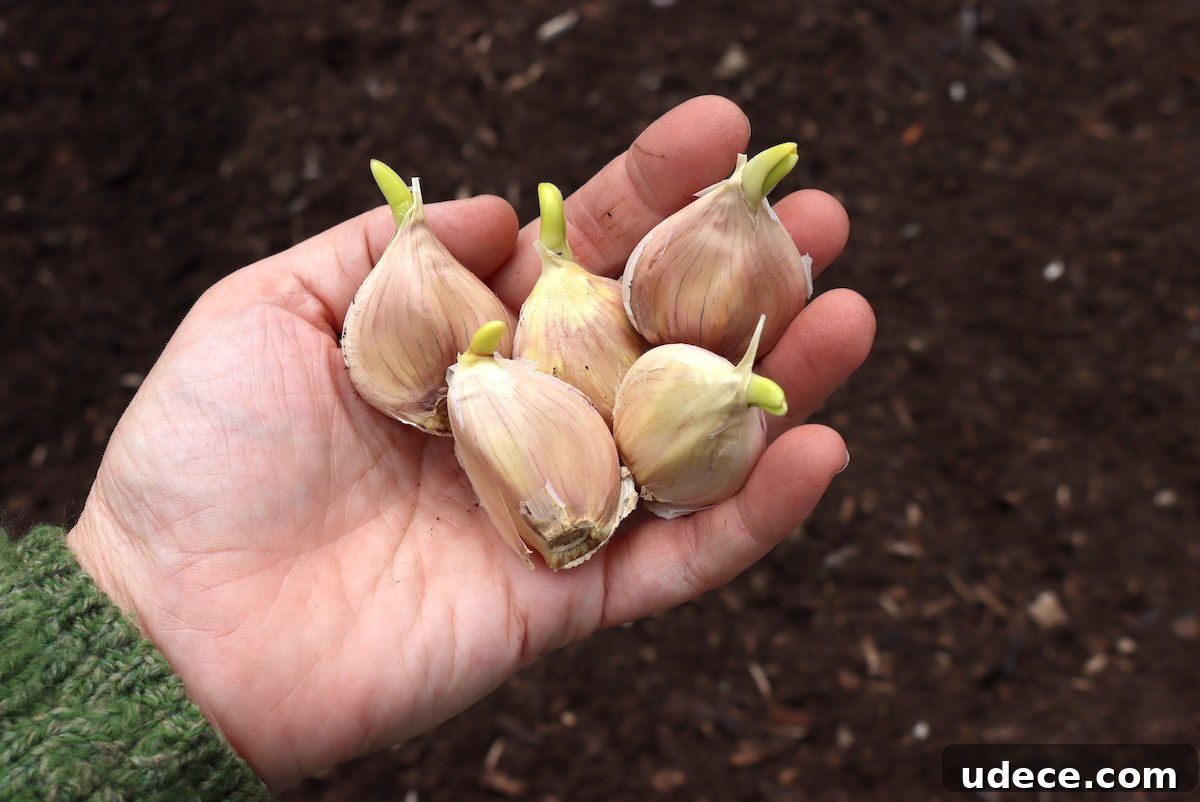
Place cloves 6 inches apart in rows about 12 inches apart, with the pointed sprout end up and the basal end (where roots emerge) down. Aim for 1 to 2 inches of soil over the top of the clove. The green shoot may protrude above the soil—this is fine.
Mulch with 1 to 2 inches of straw or shredded leaves to keep the soil cool, retain moisture, and suppress weeds during early growth.
Planting Sprouted Garlic Indoors
If the ground is frozen, plant sprouted cloves in deep pots (at least 6 inches) with good drainage and potting mix. Plant the same way as outdoors and place in a sunny window or under grow lights for 6–8 hours a day. Indoor-grown garlic won’t usually form full bulbs in pots, but it produces tender green shoots for cooking and keeps the cloves alive until they can be transplanted outdoors.
Can You Grow Garlic in Water?
You can grow sprouted garlic in a little water for green shoots, similar to forcing green onions. Place a clove so the basal end just touches about 1/4 inch of water and keep it in sunlight, changing the water every few days. Roots and green shoots will form, but cloves grown only in water won’t develop full bulbs without soil nutrients. Once roots form, you can transplant the clove into soil if you want to try finishing a small bulb.
Caring for Spring-Planted Garlic
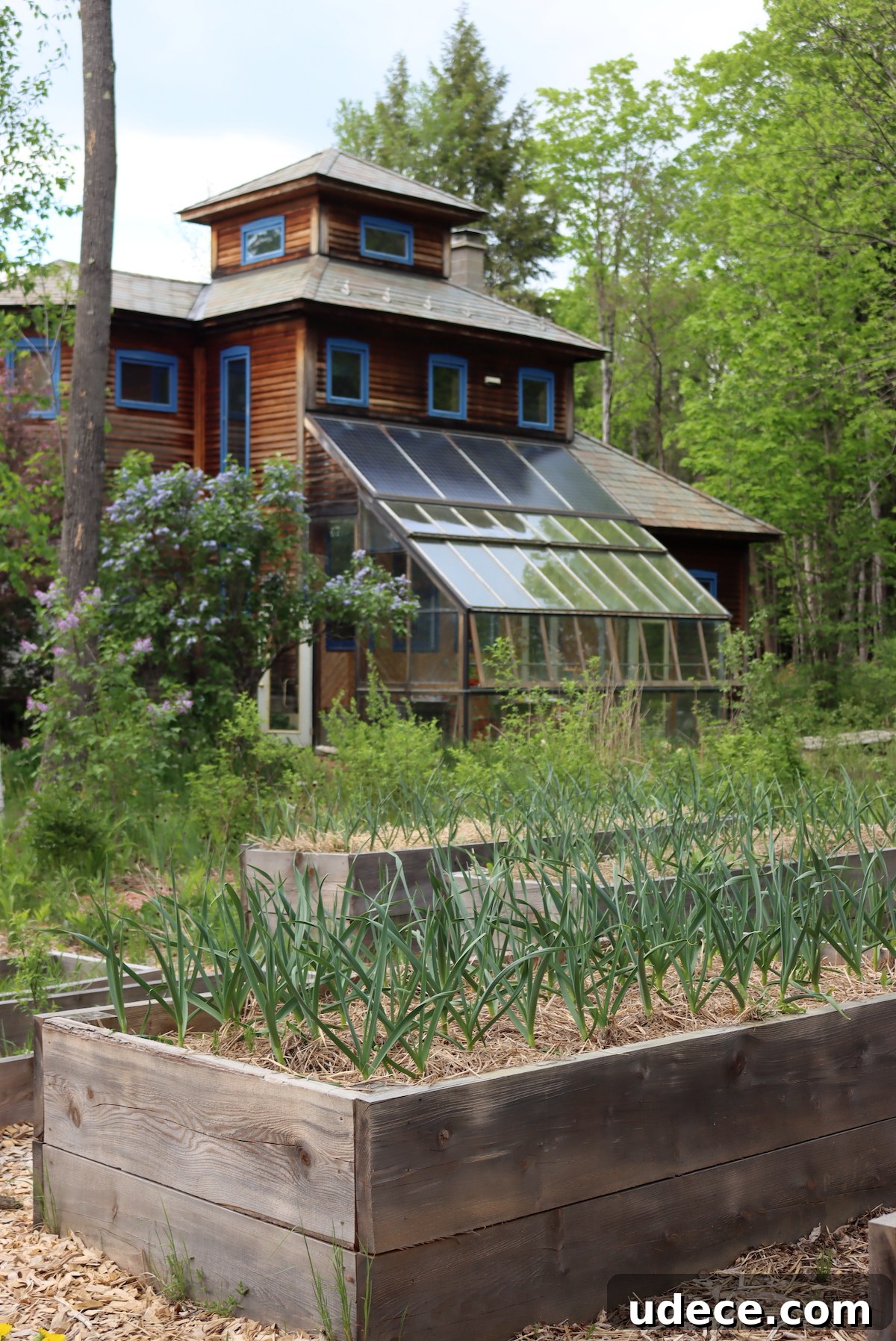
After planting, spring-planted garlic focuses first on root development. Keep the bed consistently moist (not waterlogged) for the first few weeks while roots establish. Once the plants are actively growing, reduce watering to about 1 inch per week, depending on rainfall and temperature.
If you grow hardneck varieties they will send up curling flower stalks called scapes in late spring. Trim scapes as soon as they appear to encourage bulb development—the removed scapes are a tasty early harvest and saved scapes can reduce bulb size by diverting energy to flowering.
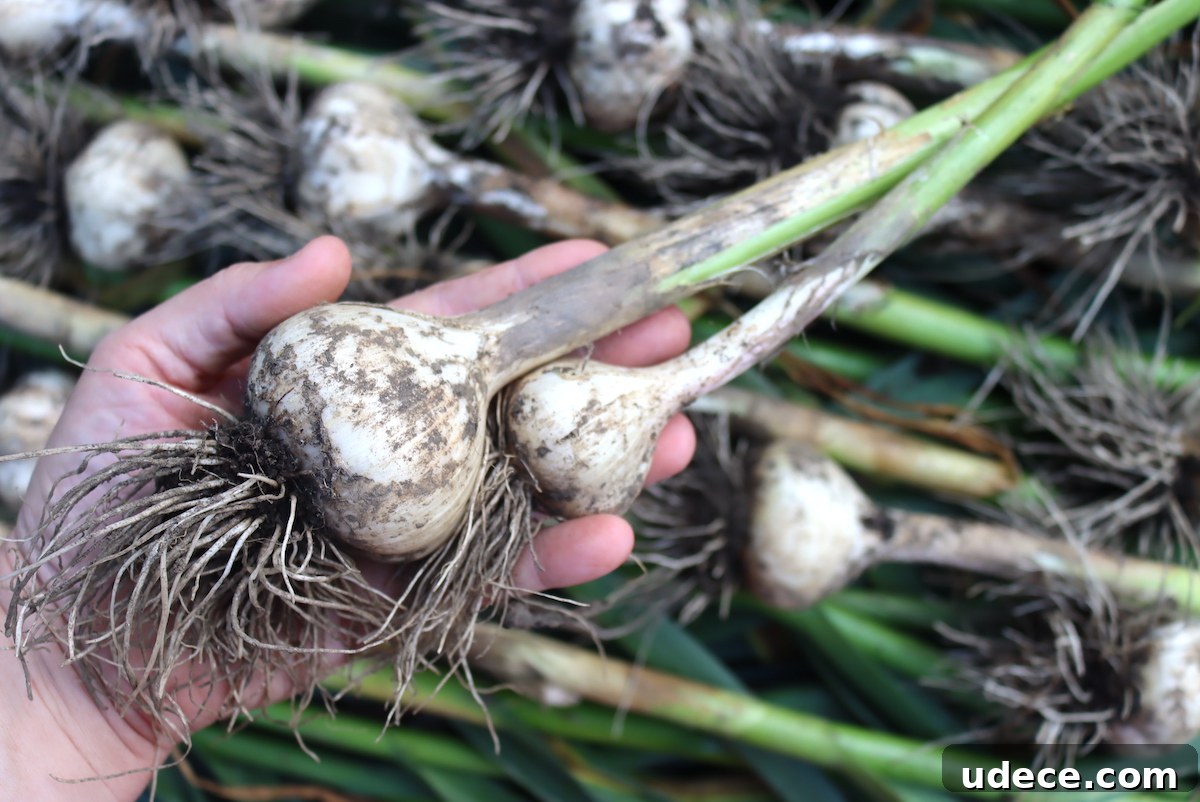
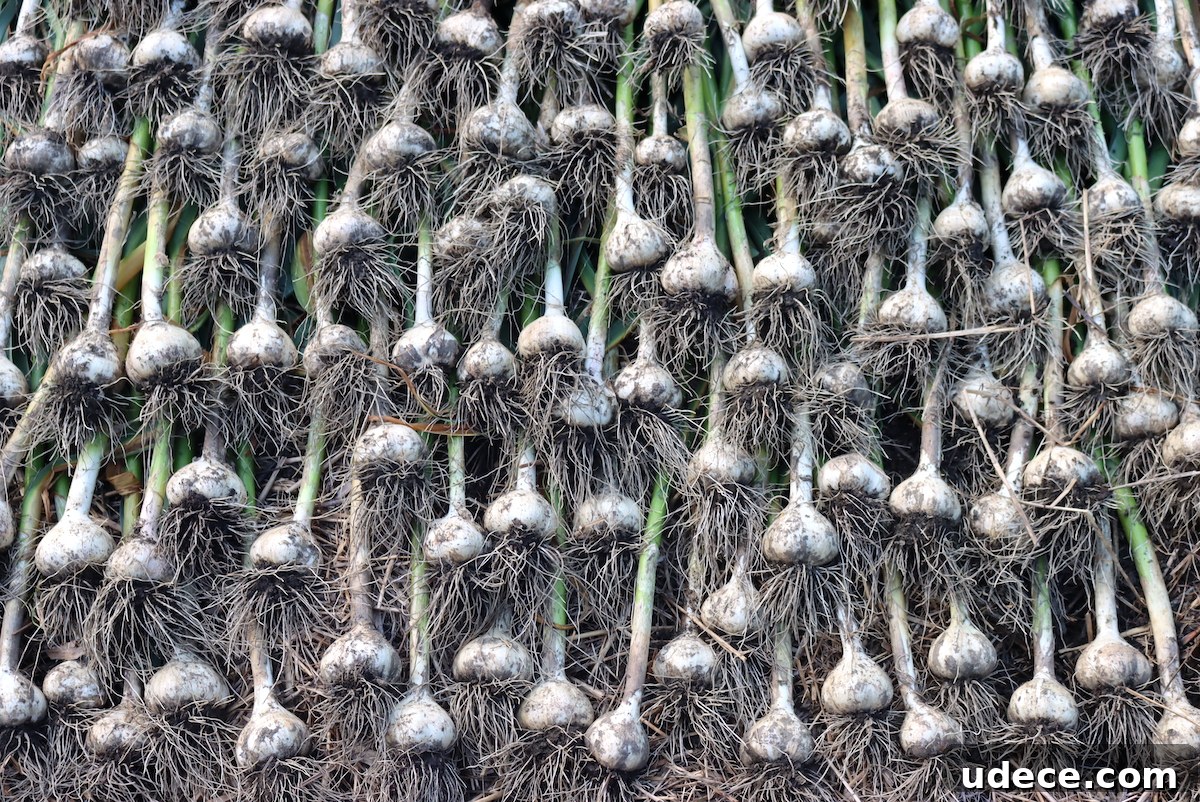
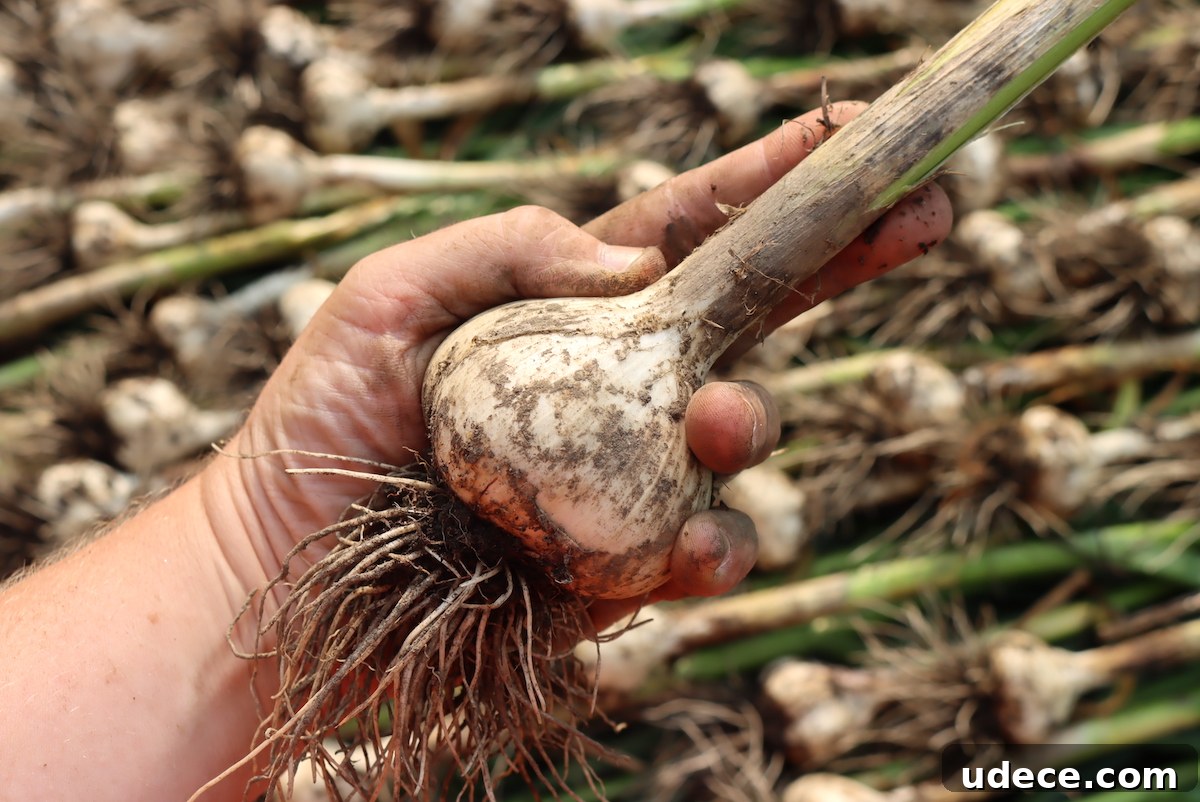
Bulbs mature through spring into early summer and begin to die back as heat builds. Spring-planted garlic typically harvests a few weeks later than fall-planted garlic. Harvest when the bottom two pairs of leaves yellow and dry; dig gently with a fork and avoid pulling by the tops.
Spring-Planted Garlic vs. Fall-Planted Garlic
The main advantage of fall planting is a head start: cloves planted in autumn develop a deep root system before winter, so they push up vigorously in spring and often yield larger bulbs earlier. Spring-planted garlic starts roots and top growth at once and plays catch-up, so harvests may be slightly later and bulbs modestly smaller. Both methods, however, produce full, usable garlic within a single season.
Curing and Storing Your Garlic Harvest
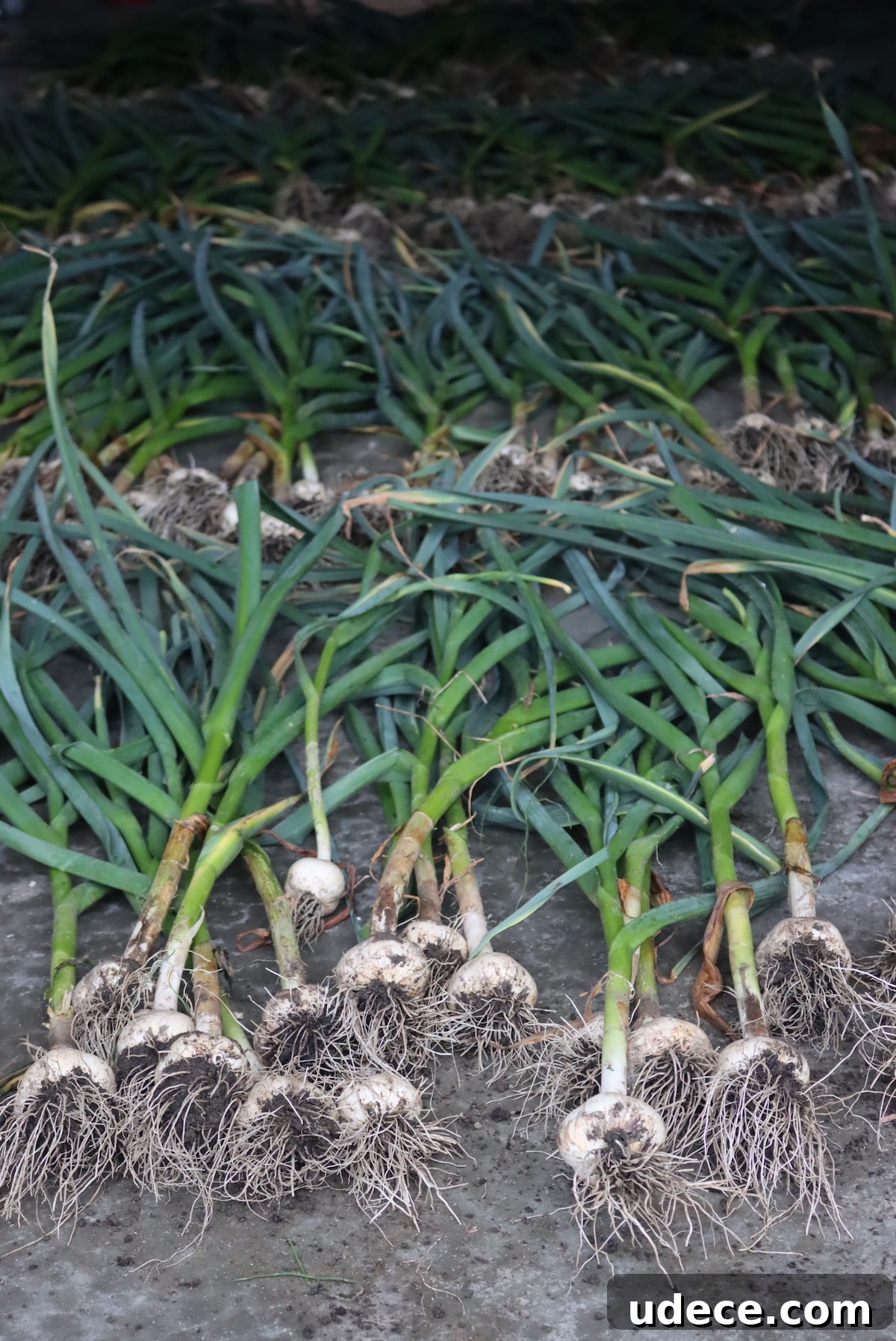
Freshly harvested “green” garlic tastes milder and is a seasonal treat, but it won’t store well. To preserve bulbs long term, cure them by drying in good airflow out of direct sun for 2–4 weeks until the outer layers are papery and the neck is dry. Then trim the tops and roots and store bulbs in a cool, dry, dark place with air circulation. Properly cured garlic will keep for several months, with storage time varying by variety and climate.
In humid or hot climates where storage is difficult, preservation methods like pickling or fermenting in honey are excellent alternatives that extend shelf life and add flavor variety.
Sprouted Garlic FAQs
Yes. Grocery-store sprouted garlic can be planted and will grow into bulbs. Most grocery garlic is softneck and may not produce scapes, but it still makes edible bulbs if the cloves are firm and not rotting.
Yes. Sprouted garlic is safe and often milder in flavor. Use it quickly or plant it, since it won’t store well once dormancy is broken.
Yes. Spring planting yields full bulbs by late summer. While fall planting often gives slightly larger bulbs, spring planting is a reliable option when you work with sprouted pantry cloves.
Spring-planted sprouted garlic typically takes 3–5 months to reach harvest, depending on climate and planting date.
Garlic naturally breaks dormancy several months after harvest. Warm or moist storage and refrigeration can accelerate sprouting. Cooler, drier storage delays it.
Yes. Plant sprouted cloves in deep pots and keep them in a sunny window or under grow lights until the soil outside can be worked. They’ll produce green shoots and can be transplanted outdoors later.
More Pantry-to-Garden Projects
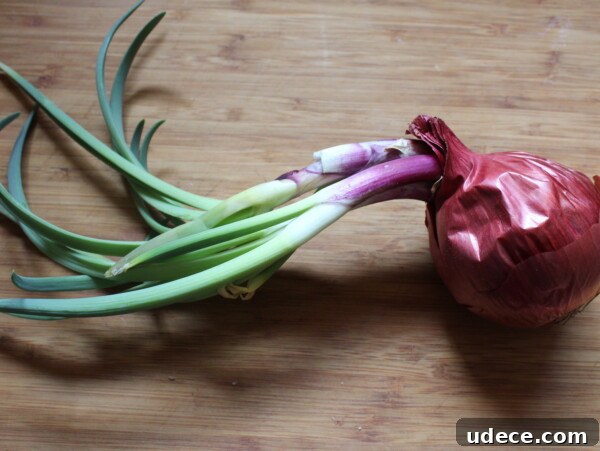
Planting Sprouted Onions
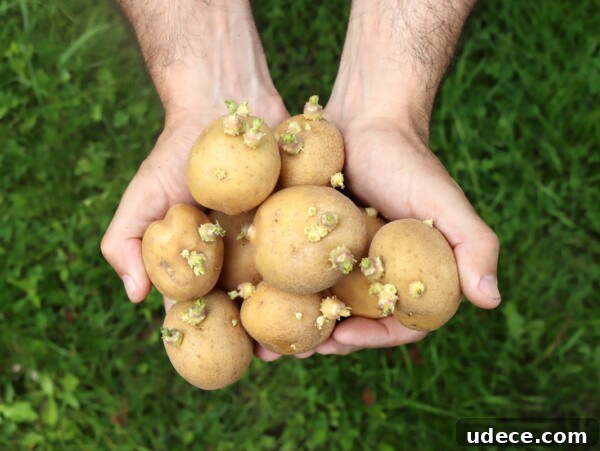
Planting Sprouted Potatoes
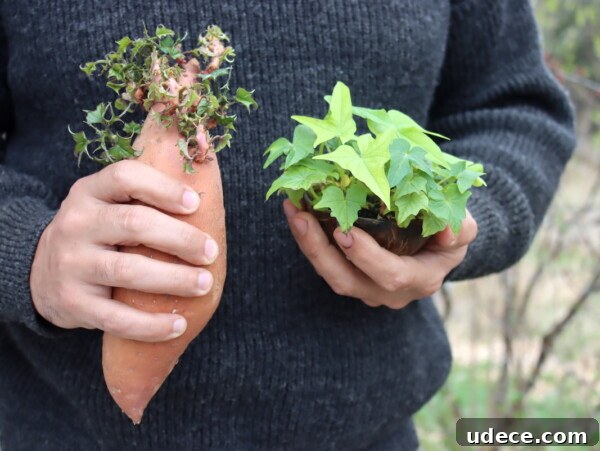
DIY Sweet Potato Slips
How to Plant Sprouted Garlic
Ingredients
- Sprouted garlic bulbs
- Well-amended garden soil
- Compost
Instructions
- Remove the loose outer papery wrapper to expose individual cloves, but leave the skin on each clove.
- Break the bulb apart gently, taking care not to damage the green sprout. Leave the outer paper on each clove for protection.
- Prepare a sunny bed with well-draining soil and work in 2–3 inches of finished compost.
- Plant cloves 6 inches apart in rows about 12 inches apart, pointed end up. Cover with 1–2 inches of soil.
- Mulch with 1–2 inches of straw or shredded leaves to keep soil cool and suppress weeds.
- Water deeply after planting and keep soil consistently moist (not waterlogged) while roots establish.
- Once plants are actively growing, reduce watering to about 1 inch per week.
- If growing hardneck garlic, remove scapes when they form to encourage bulb growth; scapes are edible and delicious.
- Stop watering about two weeks before harvest to let bulbs cure in the ground. Harvest when the bottom two pairs of leaves have yellowed and dried.
- Lift bulbs with a fork, brush off soil, and cure in a shaded, well-ventilated spot for 2–4 weeks before trimming and storing.
Notes
If your pantry has other sprouting vegetables, you can often grow them too. Planting sprouted onions follows the same idea, and sweet potato slips can come from a single forgotten sweet potato. For more growing guides, explore resources on garlic varieties, perennial garlic, and complete garlic-growing techniques to find the best approach for your garden.
Using and Preserving Your Garlic Harvest
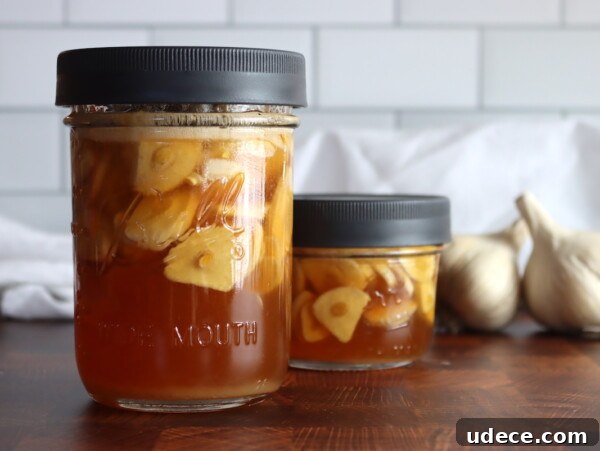
Fermented Garlic Honey
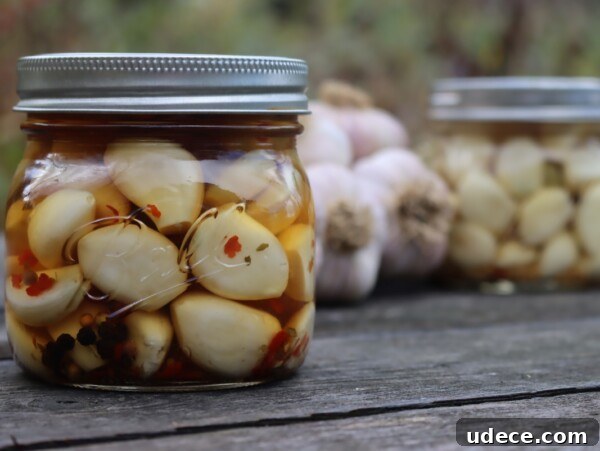
How to Make Pickled Garlic
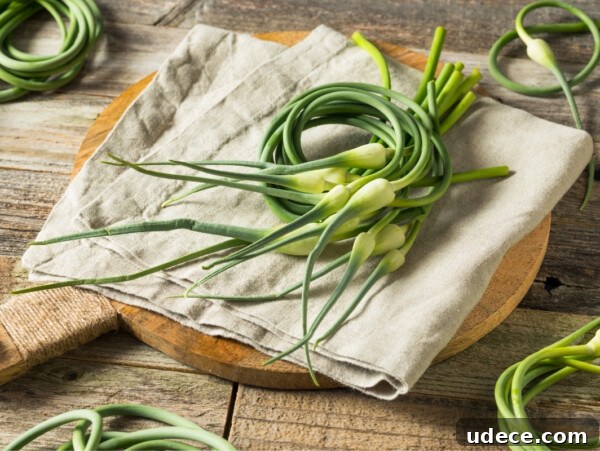
30+ Ways to Use Garlic Scapes
Find the perfect guide
Searching for something else? Enter keywords to find the right guide.