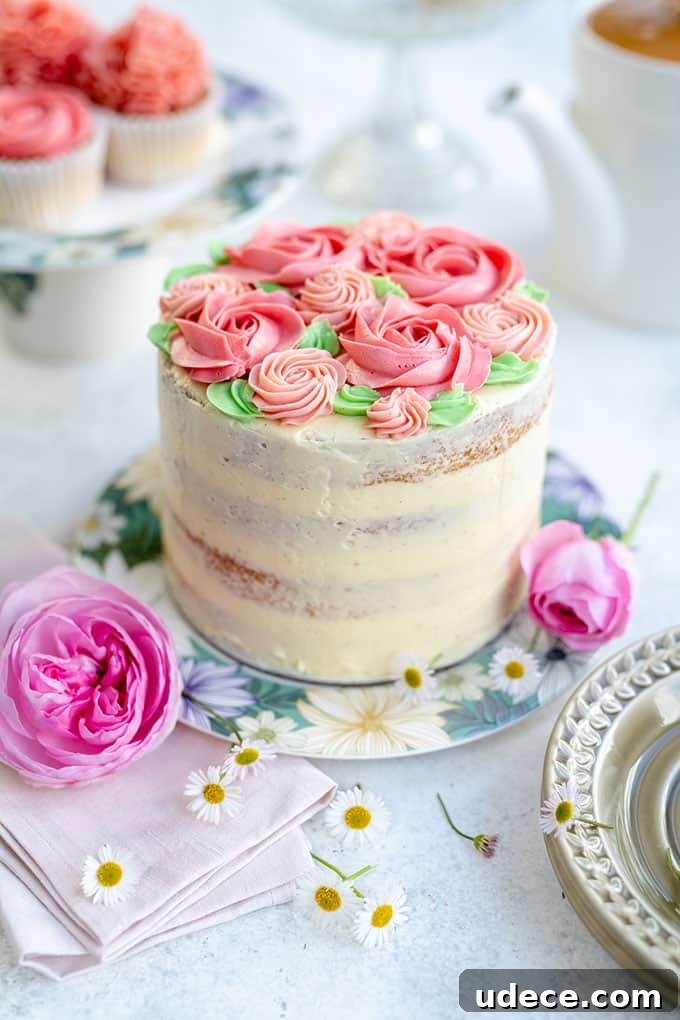
This beautiful Pink Ombre Cake with the best vanilla buttercream is ideal for birthdays and celebrations. Below you’ll find clear instructions, practical tips and a video to help you make a flawless ombre cake.
Try also… my dreamy Vanilla Sprinkle Cake (Funfetti Cake).
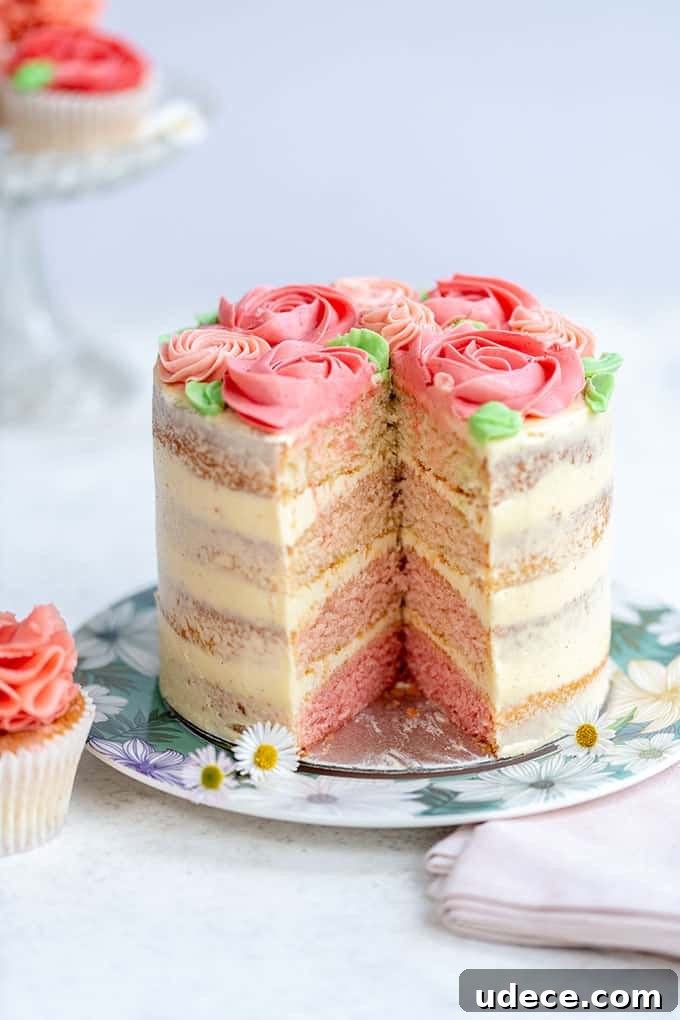
Occasions like birthdays, weddings and baby showers all have one thing in common: cake. This Pink Ombre Cake is especially meaningful to me — it was the first big layer cake I made for my daughter’s birthday. The recipe and technique are easy to adapt, so you can customise colours for any celebration.
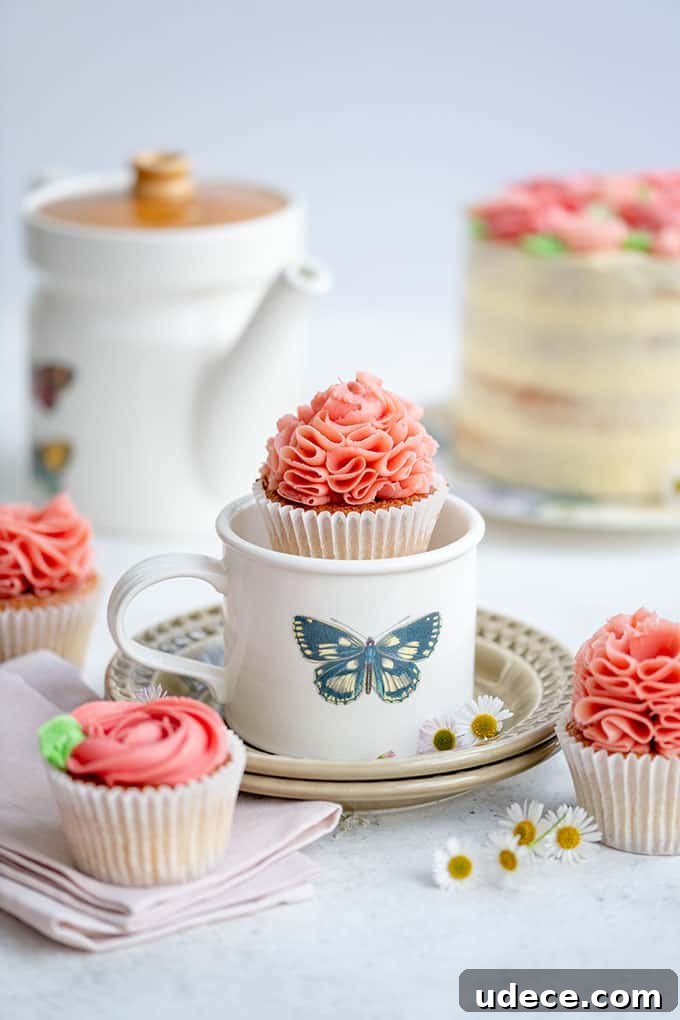
What is an ombre cake?
Ombré means shaded in French. An ombre cake features layers or frosting that graduate in color from light to dark. You can make ombre cakes in any hue, but pink is a popular and pretty choice.
Best cake recipe for ombre cakes
Start with a white cake base so the colours show clearly. A white cake made with egg whites and a reverse-creaming method produces a moist, buttery crumb and is very forgiving for bakers of all levels.
Food colouring tips
You can use gel or paste food colouring. Gel colours (Americolor) give vibrant tones quickly but can be strong and harder to control. Paste colours (Wilton, Sugarflair) let you build colour gradually and are ideal when you want subtle shading.
- Gel food colouring: Use for bold, punchy colours (good for rainbow cakes).
- Paste food colouring: Start with a small amount, mix into a little batter or buttercream in a separate bowl, then add gradually to achieve the shade you want while reducing waste and washing up.
Which frosting to use
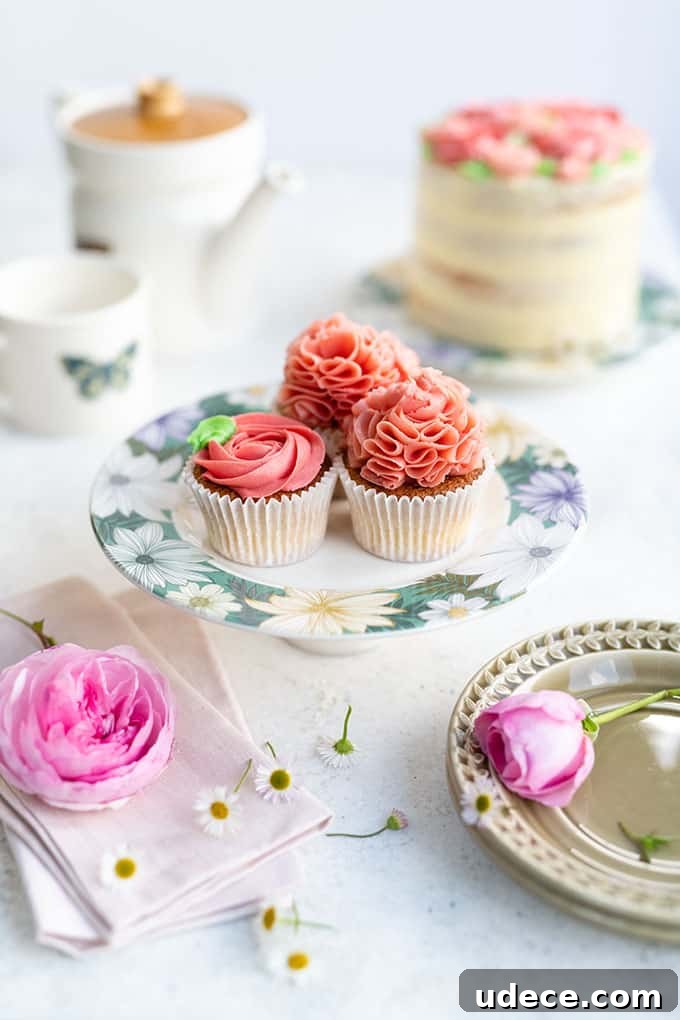
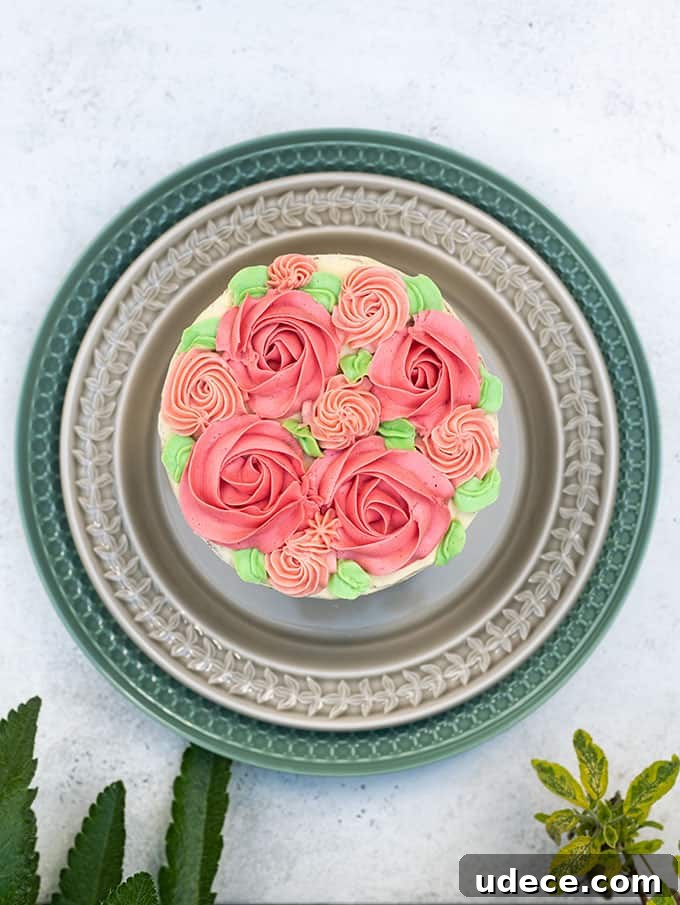
Many frostings work well: cream cheese, American buttercream or meringue buttercream. My favourite is a simple, stable buttercream that combines egg whites, icing sugar and lots of butter — silky like Swiss meringue buttercream but much quicker to make. It pipes beautifully and is ideal for roses, ruffles and other decorations.
How to make white buttercream
Buttercream typically has a creamy tint from the butter. To achieve a purer white, use an icing whitener such as Sugarflair Superwhite or add a tiny touch of purple to balance the yellow. Clear vanilla extract also helps maintain a paler colour.
How to decorate an ombre cake
There are many decoration options:
- Buttercream decorations: Tint buttercream in your chosen shades and pipe roses, ruffles or rosettes. Practice piping on a silicone mat first.
- Fresh flowers: Unsprayed roses, lilacs or edible flowers work well — always check that flowers are safe for food contact.
- Sweets and biscuits: Macarons, meringue kisses, cookies or sprinkles that match the ombre palette add texture and colour.
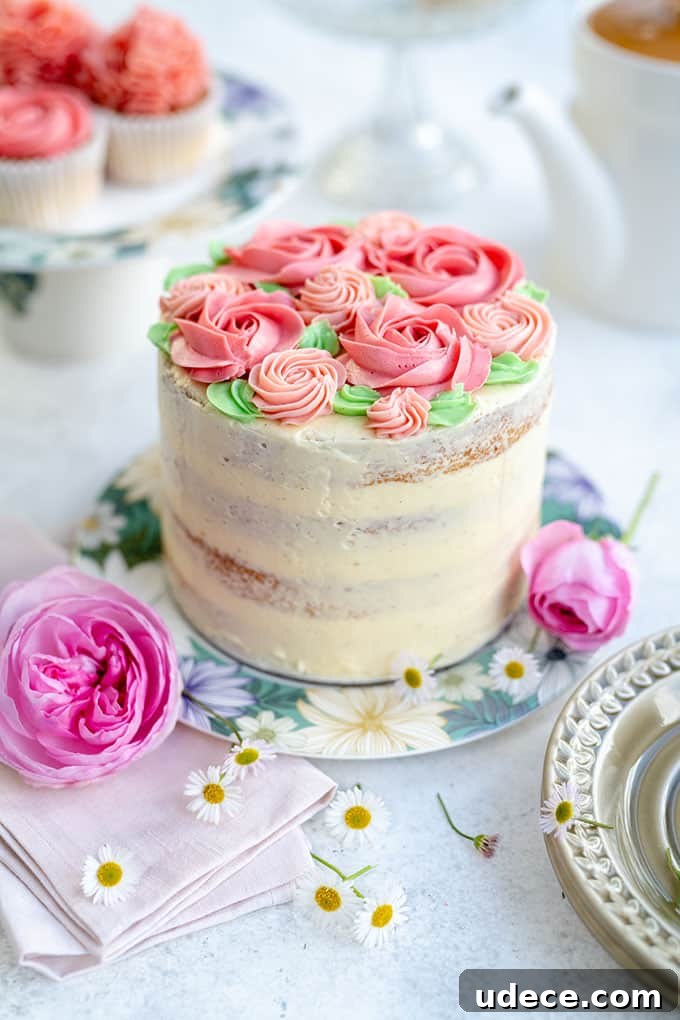
How to make a Pink Ombre Cake
Full measurements and the printable recipe card are included below. Read the steps and watch the video before starting.
STEP 1. Preheat the oven to 180°C. Spray 4 x 15cm (6in) tins (or 3 x 20cm/8in tins) with cake release and line with baking parchment.
STEP 2. Put the dry ingredients (flour, sugar, baking powder, salt) into the bowl of a stand mixer and briefly mix with the paddle attachment to combine.
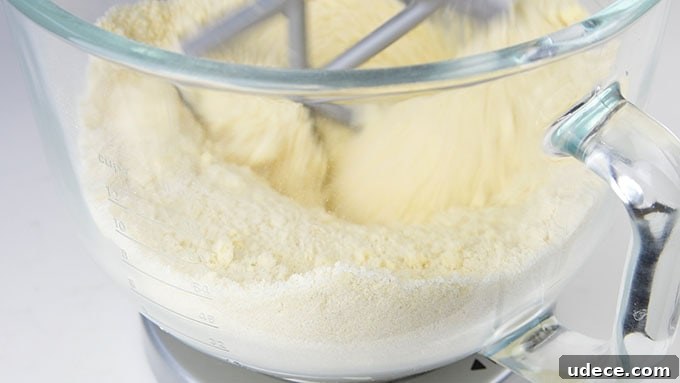
STEP 3. Add cold cubed butter and beat on low until the mixture resembles coarse sand.
STEP 4. In a jug, mix milk, pasteurised egg whites, vanilla and almond extracts. Add the liquids in stages to the mixer, mixing on low after each addition. Increase speed briefly and mix until smooth.
STEP 5. Weigh the full mixing bowl, subtract the empty bowl weight and divide the batter weight by the number of tins you are using to get equal layers.
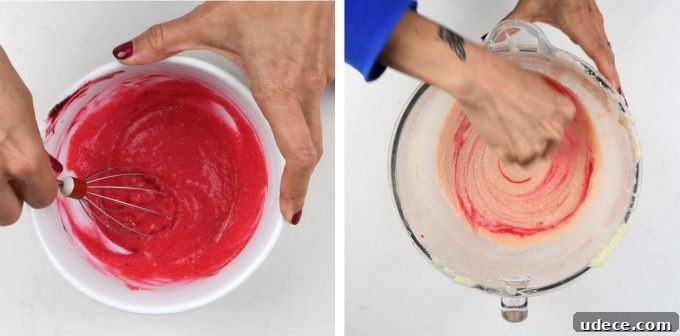
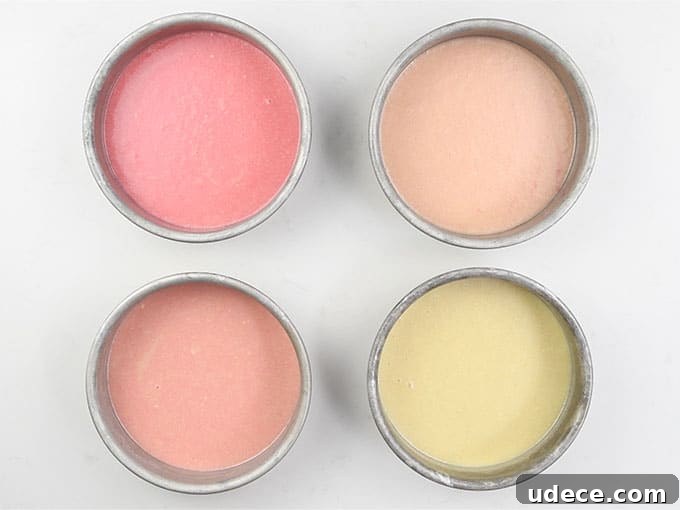
STEP 6. Fill one tin with untinted batter for the white layer. Put a ladle of batter into a small bowl and add pink paste colouring to create a strong pink base colour.
STEP 7. Add a small amount of the strong pink batter back into the main bowl and mix well to create a pale pink. Pour into the second tin. Repeat with increasing amounts of tinted batter for the third and fourth tins to build the ombre.
STEP 8. Bake for 20–25 minutes or until the cakes are springy and a skewer comes out clean. Cool in the tins for 10 minutes, then invert onto a wire rack lined with parchment and cool completely before frosting.
Mock Swiss Meringue Buttercream (vanilla)
STEP 1. In the stand mixer bowl combine pasteurised egg whites, icing sugar, vanilla paste and a pinch of salt. Beat briefly to combine.
STEP 2. Gradually add room-temperature unsalted butter, a piece at a time, beating on medium-low until incorporated. Scrape the bowl as needed.
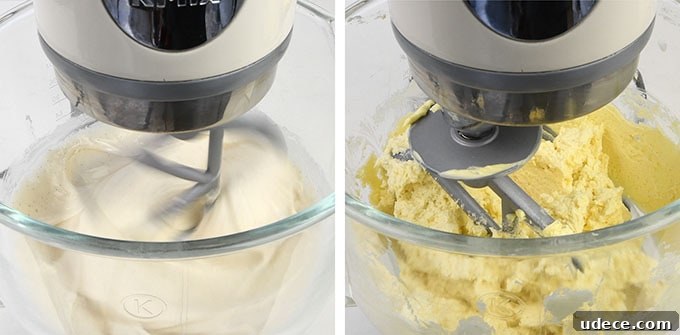
STEP 3. Increase speed slightly and beat for 5–10 minutes until the buttercream is silky and holds peaks.
STEP 4. Reserve about two-thirds of the buttercream for assembling the cake. Divide the remainder into bowls and tint two shades of pink and a small amount of green for leaves.
How to assemble the cake
STEP 1. Use a little buttercream to stick a cake board to a turntable. Place the darkest or lightest layer first depending on the look you prefer (I stacked darkest to lightest).
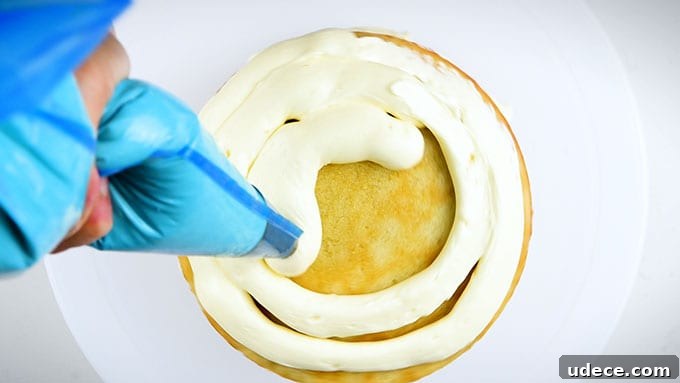
STEP 2. Pipe an even layer of buttercream between each layer, smoothing with an offset spatula. Ensure the stack is level and the top is flat.
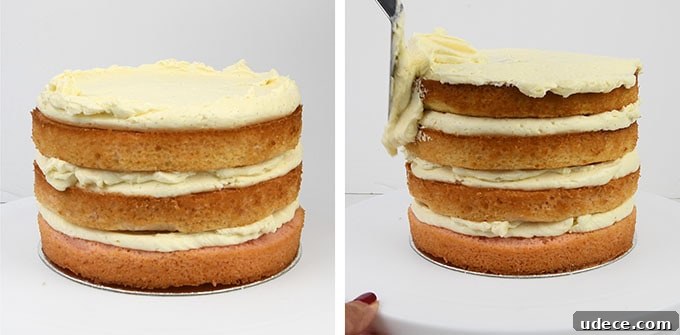
STEP 3. Apply a crumb coat by spreading a thin layer of buttercream over the cake. Chill 10–15 minutes if you want a cleaner finish, then add a final coat and smooth with a scraper.
STEP 4. Transfer tinted buttercream into piping bags fitted with star and leaf tips to pipe roses, rosettes and leaves on top. Carefully move the finished cake to a plate or stand and keep chilled until serving.
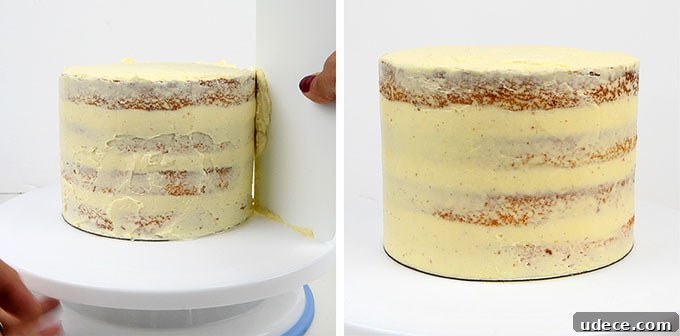
STEP 5. Slice and enjoy — bring chilled cake back to room temperature before serving for the best flavour and texture.
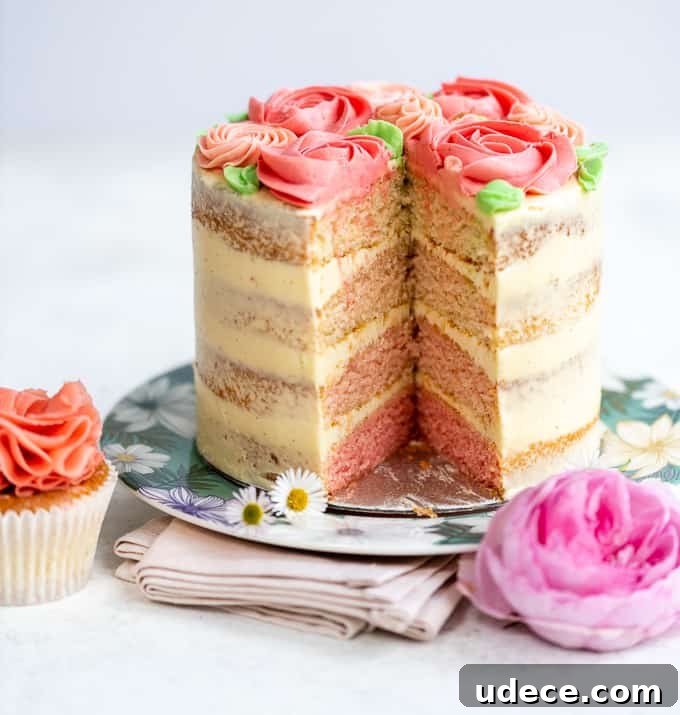
Tips, tricks and FAQs
- Storage: Store in a cake carrier at cool room temperature if weather permits. Refrigerate up to 3 days and bring back to room temperature before serving.
- Make ahead: Unfrosted layers keep for two days at room temperature. Place layers on parchment, cover with another sheet and a clean towel. Avoid stacking sticky layers.
- Buttercream storage: Refrigerate up to two weeks or freeze for up to six weeks. Rebeat to restore texture before using.
- Equipment: Four 15cm tins or three 18cm tins work well. A turntable, piping bags and tips make decorating easier but are not essential.
- Colour variations: Tint the batter any colour for gender reveals or themed parties — this recipe works for blue, purple or rainbow cakes.
- No stand mixer? You can make the cake batter in a food processor; use a stand or hand mixer for the buttercream for best results.
- Egg whites: Both cake and buttercream use egg whites. Pasteurised liquid egg whites from a carton are convenient and avoid leftover yolks.
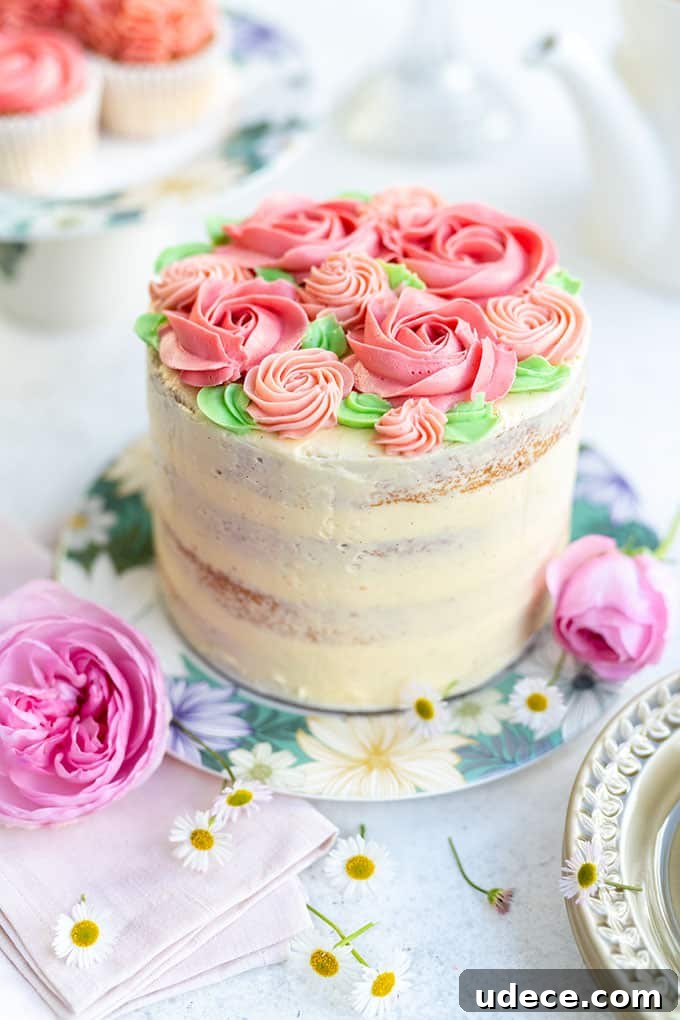
Have you made this Pink Ombre Cake?
Share a photo on social media with the tag #supergoldenbakes — I’d love to see your version.
Pink Ombre Cake with Mock Swiss Buttercream Frosting
Ingredients
- 340g sugar (granulated or caster)
- 255g plain flour
- 4 tsp baking powder
- ½ tsp salt
- 170g unsalted butter, cold and cubed
- 240ml whole milk (room temperature)
- 180ml pasteurised liquid egg whites (or from 6 eggs)
- 2 tsp almond extract
- 1 tsp vanilla extract
- pink paste food colouring
For the buttercream
- 180ml pasteurised liquid egg whites (or from 6 eggs)
- 500g icing sugar
- 500g unsalted butter, room temperature
- 1 tbsp vanilla extract
- ¼ tsp salt
Instructions
Make the cake
- Preheat oven to 180°C. Prepare tins with spray and parchment.
- Weigh the empty mixer bowl and note the weight.
- Combine flour, sugar, baking powder and salt in the mixer bowl and mix briefly with paddle attachment.
- Add cubed butter and beat on low until mixture looks like coarse sand.
- Mix milk, egg whites and extracts in a jug. Add to the batter in three stages, mixing on low after each addition. Increase speed and mix until smooth.
- Weigh the full bowl, subtract the empty bowl weight and divide batter evenly between tins.
- Reserve a ladleful of batter, tint it strongly pink, then add small amounts back to the main batter to create progressively darker shades for the other layers. Pour into prepared tins.
- Bake 20–25 minutes until risen and a skewer comes out clean. Cool in tins 10 minutes, then turn out onto a wire rack to cool completely.
Make the buttercream
- Beat egg whites, icing sugar, vanilla paste and salt in the mixer until combined.
- Gradually add room-temperature butter, beating on medium-low until incorporated, scraping the bowl as needed.
- Increase speed slightly and beat 5–10 minutes until fluffy and silky.
- Reserve two-thirds for assembling. Divide remaining buttercream and tint two shades of pink and a little green for leaves.
Assemble the cake
- Stick a cake board to a turntable and place the bottom layer (darkest or lightest) on it.
- Pipe an even layer of buttercream between each cake, smoothing with an offset spatula as you go.
- Apply a crumb coat, chill briefly if desired, then add a final smooth layer of buttercream.
- Pipe roses and leaves using star and leaf tips, transfer to a platter and chill until serving. Bring to room temperature before serving.
Notes
Storage: Keep at cool room temperature in a cake carrier or refrigerate up to 3 days. Bring to room temperature before serving.
Advance baking: Unfrosted layers can be made up to two days ahead and stored covered on parchment.
Buttercream storage: Refrigerate up to two weeks or freeze up to six weeks; rebeat before use.
Equipment: Four 15cm tins or three 18cm tins are recommended. A turntable and piping tips are helpful for decorating.
Variations: Tint the cake any colour for themed events or rainbow cakes; double the batter for more layers.
Nutrition
Calories: 928 kcal | Carbohydrates: 105 g | Protein: 7 g | Fat: 55 g | Saturated Fat: 34 g | Sugar: 83 g
Nutritional information is approximate and depends on ingredients and serving sizes.