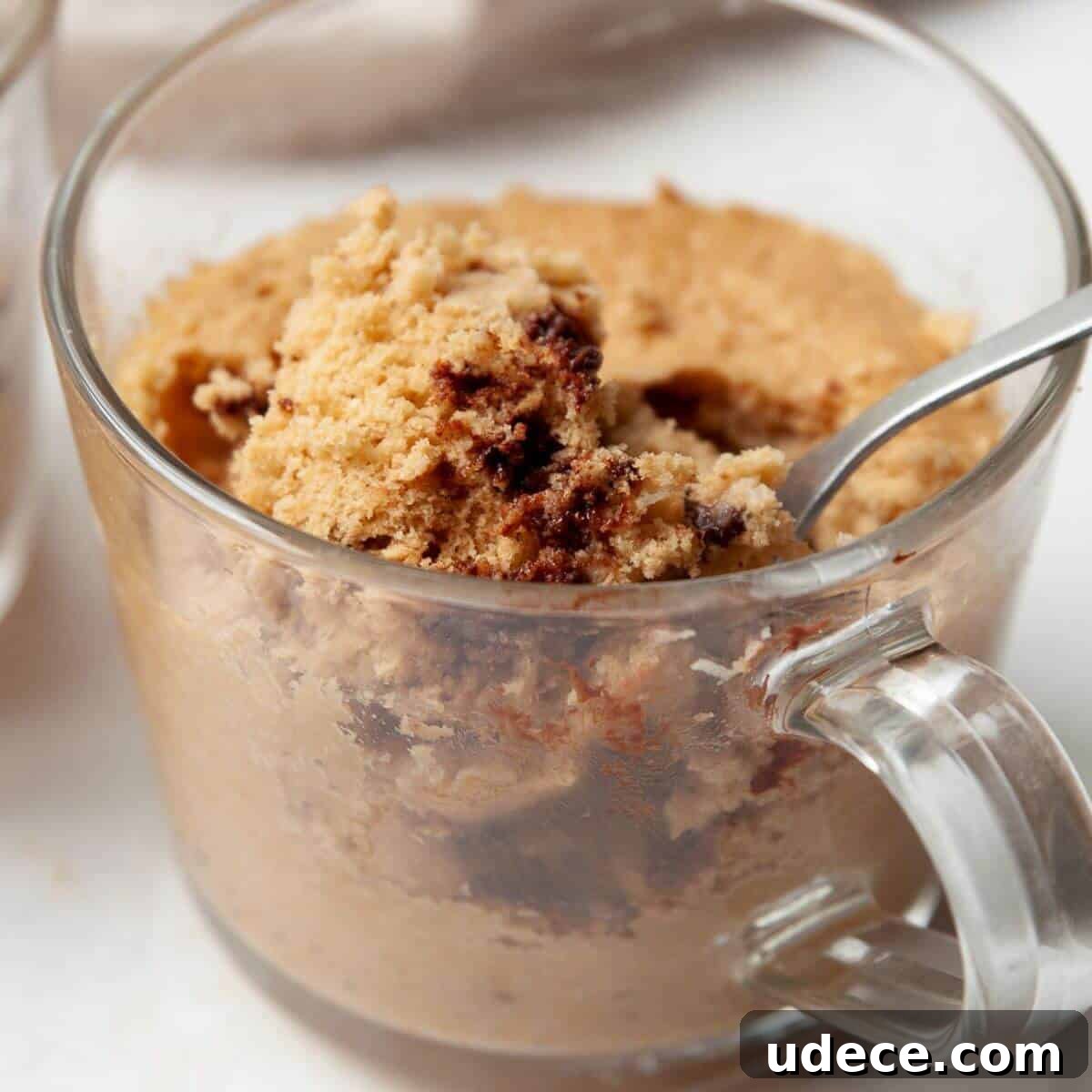
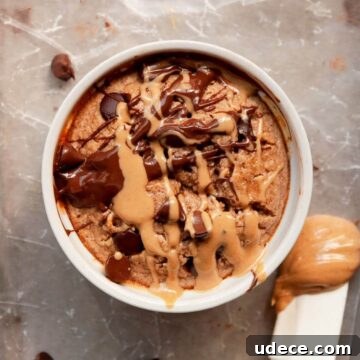
This high-protein mug cake is soft, fluffy, and ready in about a minute. Made with protein powder and oat flour, it delivers 24g+ of protein per serving. This single-serve microwave recipe is eggless, vegan-friendly, and stays moist and cake-like every time—never dry or rubbery.
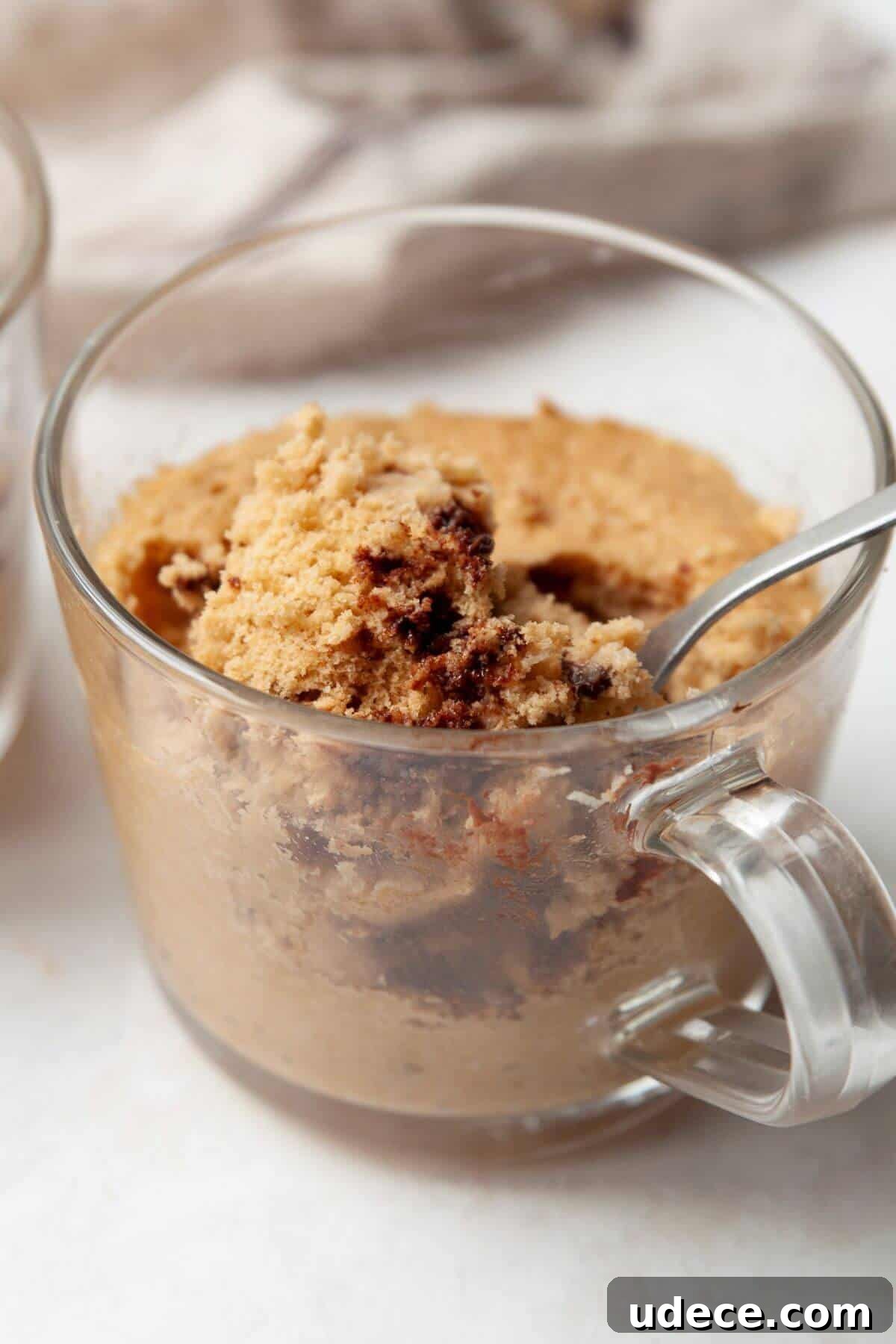
A Quick Look At This Protein Powder Mug Cake
- ✅ Recipe Name: Protein Powder Mug Cake (1-Minute Microwave)
- 🕒 Ready In: 1 minute
- 👪 Serves: 1 (single serve)
- 🍽 Calories: ~286 per serving (varies by protein powder)
- 📋 Protein: 24g+ per serving
- 🥣 Main Ingredients: Protein powder, oat flour, almond milk, baking powder, coconut sugar
- 📖 Dietary Info: Eggless, vegan-friendly, gluten-free, dairy-free, high-protein
- ⭐ Why You’ll Love It: A guilt-free dessert that works as a post-workout snack, quick breakfast, or late-night chocolate fix — no baking, no cleanup, and a soft, moist texture.
I make this mug cake often—it’s genuinely my favorite dessert. It’s soft, fluffy, and reliably good. After many attempts, the recipe came together by using oat flour for structure and limiting the microwave time to 60–75 seconds. Protein powder alone can become spongy, and overcooking turns it rubbery.
This same approach—short cook time, the right ratios, and oat flour for texture—also powers other quick microwave recipes like my high-protein pancake bowl and single-serve baked oats. The mug cake works as a post-run treat, a quick breakfast, or a satisfying dessert.
Why You’ll Love This Recipe
- Tastes like dessert: Not chalky or gym-bar-like—this one tastes like real cake.
- Works with most protein powders: Whey or plant-based powders (avoid collagen and beef protein, which can make it gummy).
- Minimal cleanup: Mix and microwave in the same mug you eat from.
- Beginner friendly: No special tools or techniques required.
- Filling: High protein plus oat flour fiber helps it keep you satisfied.
- Customizable: Switch to chocolate, add peanut butter, banana, or berries depending on your cravings.
Why This Protein Mug Cake Works
Most protein mug cakes fail for predictable reasons. This recipe addresses each:
- Oat flour for structure: Protein powder lacks starch, so adding oat flour produces a cake-like crumb.
- Calibrated liquid ratio: Protein powders absorb liquid differently than regular flour—this ratio prevents chalkiness or runniness.
- Short microwave time: Cooking 60–75 seconds prevents the protein from denaturing into a rubbery texture.
⭐️⭐️⭐️⭐️⭐️
Really yummy! This is the best vegan mug cake I’ve had yet—perfect moistness, not chewy or dry.
– Sophia
Ingredients You’ll Need
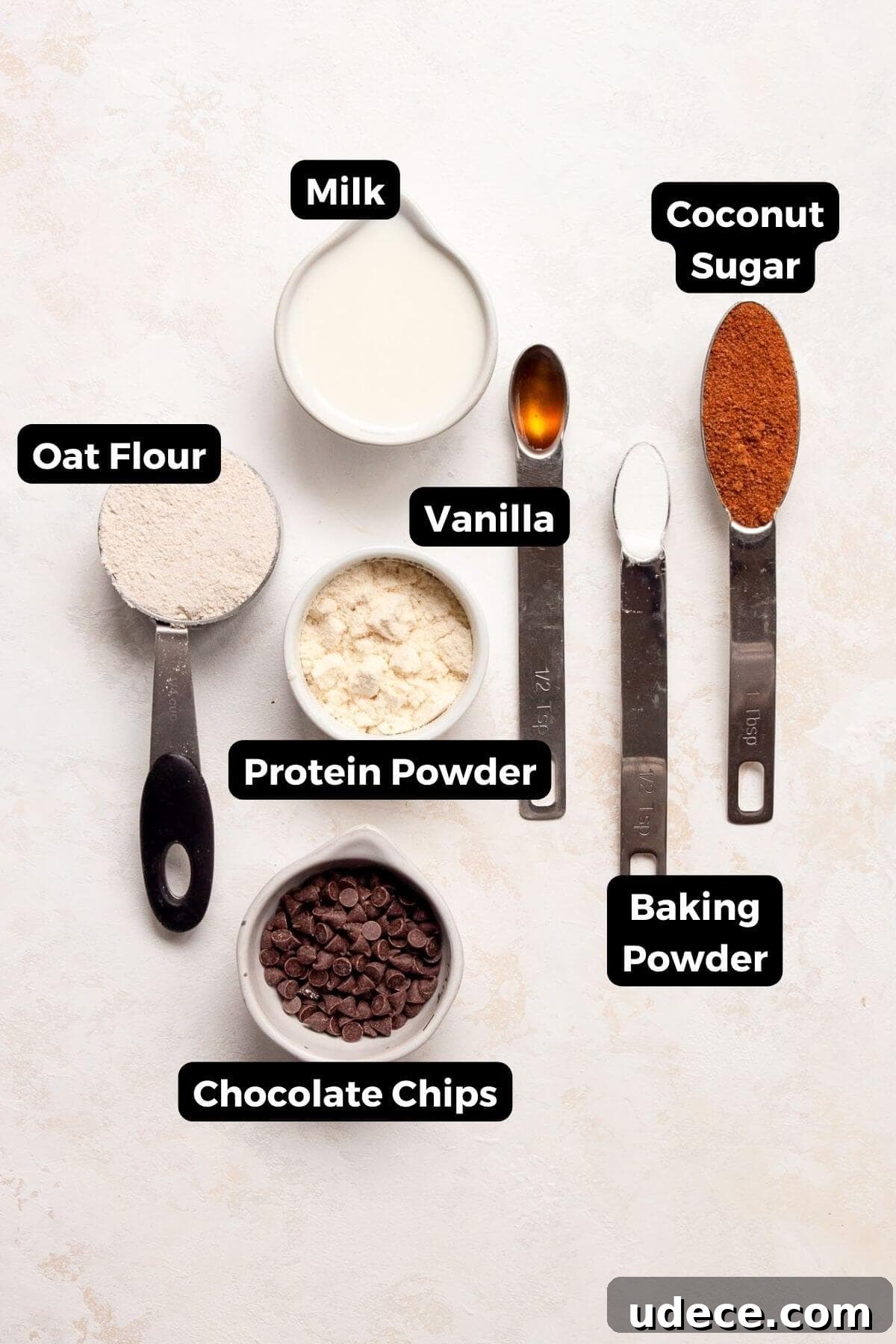
- Protein Powder: Whey or plant-based (pea, soy, blends) work well. Avoid collagen or beef protein for baking.
- Oat Flour: Provides a soft, cake-like structure. Blend rolled oats to make your own if needed.
- Coconut Sugar: Adds warm sweetness; brown sugar swaps 1:1.
- Baking Powder: Keeps the cake light and helps it rise.
- Milk: Almond milk keeps it dairy-free; use any milk and add a splash if batter is too thick.
- Vanilla Extract: Enhances flavor so it tastes like cake, not just sweetened protein powder.
- Chocolate Chips (optional): Mini chips work best to avoid sinking.
See the recipe card below for exact quantities.
Substitutions & Variations
- Chocolate version: Use chocolate protein powder and add 1 tbsp cocoa powder for a brownie-like cake.
- Sweetener swaps: Brown sugar works 1:1 for coconut sugar.
- Add-ins: Mini chocolate chips, fresh or thawed berries (drained), or a spoonful of nut butter.
- Banana: Add 1–2 tbsp mashed banana for extra moisture and mild flavor.
- Pumpkin spice: Add 1/2 tsp pumpkin pie spice or cinnamon for a cozy variation.
- Toppings: Greek yogurt, nut butter, berries, or a scoop of protein ice cream are all great.
How to Make a Protein Powder Mug Cake (Step-by-Step)
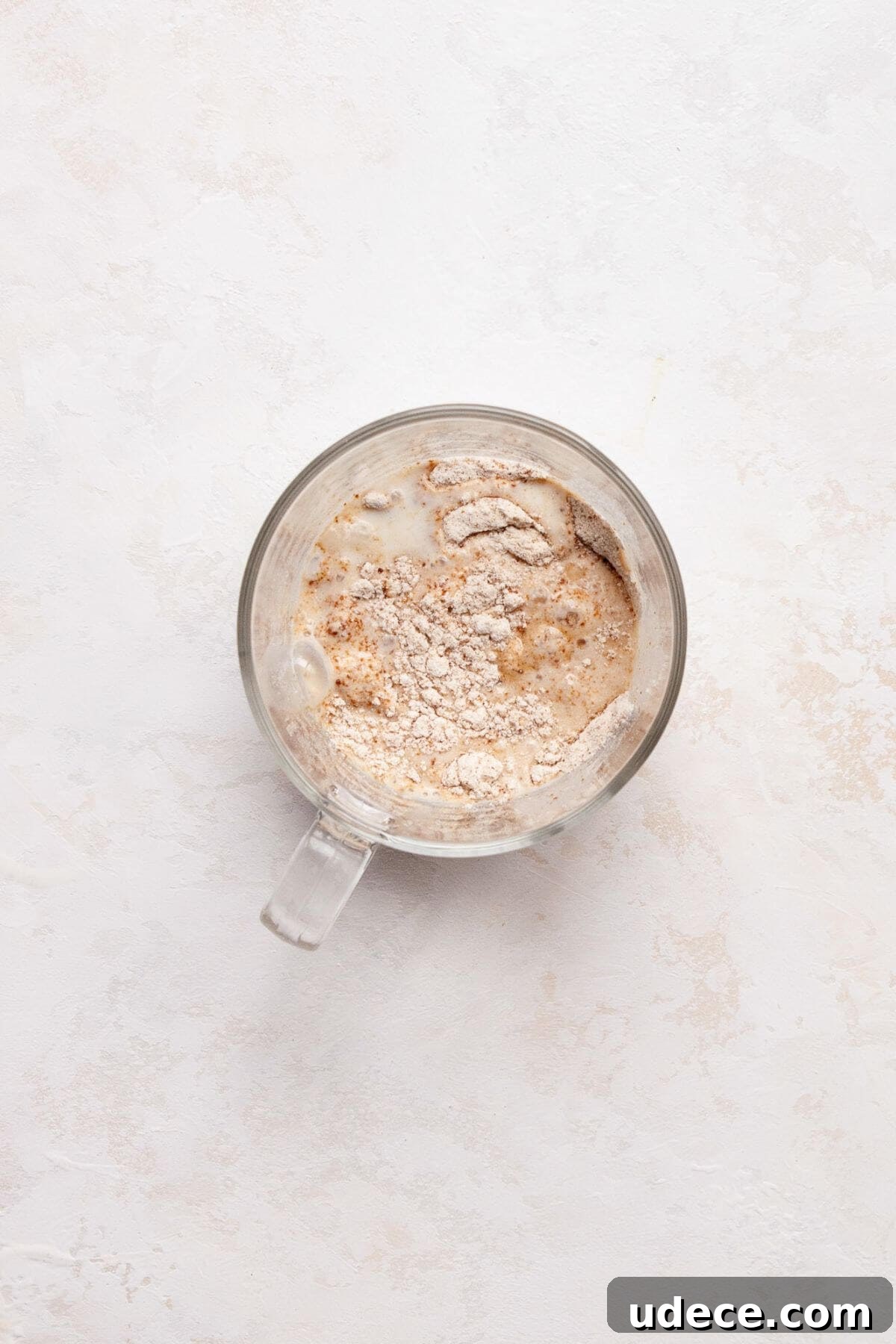
- Step 1: Mix the dry ingredients. Combine oat flour, protein powder, coconut sugar, and baking powder in a microwave-safe mug.
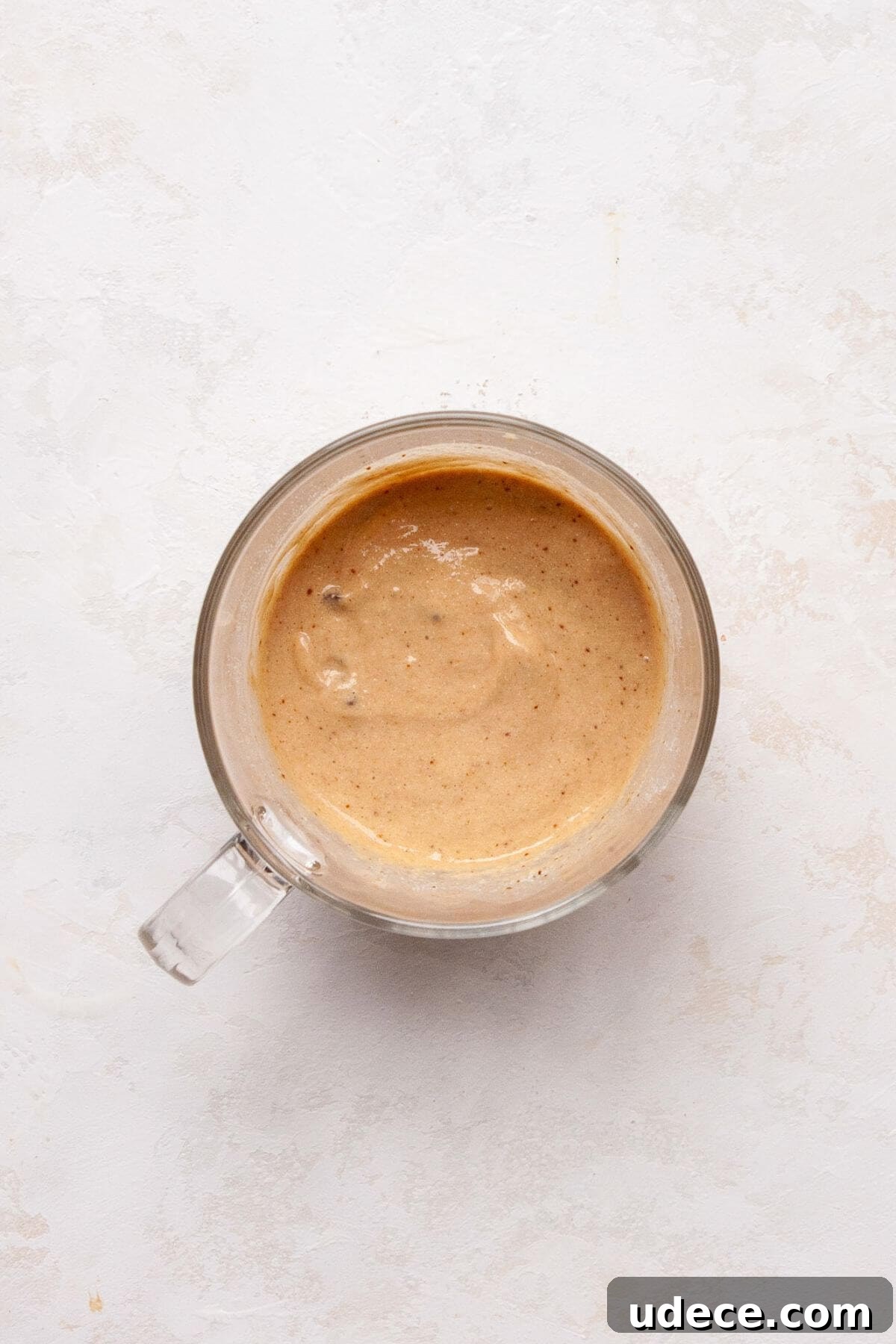
- Step 2: Add wet ingredients. Stir in milk and vanilla until smooth, then fold in chocolate chips, reserving a few for the top.
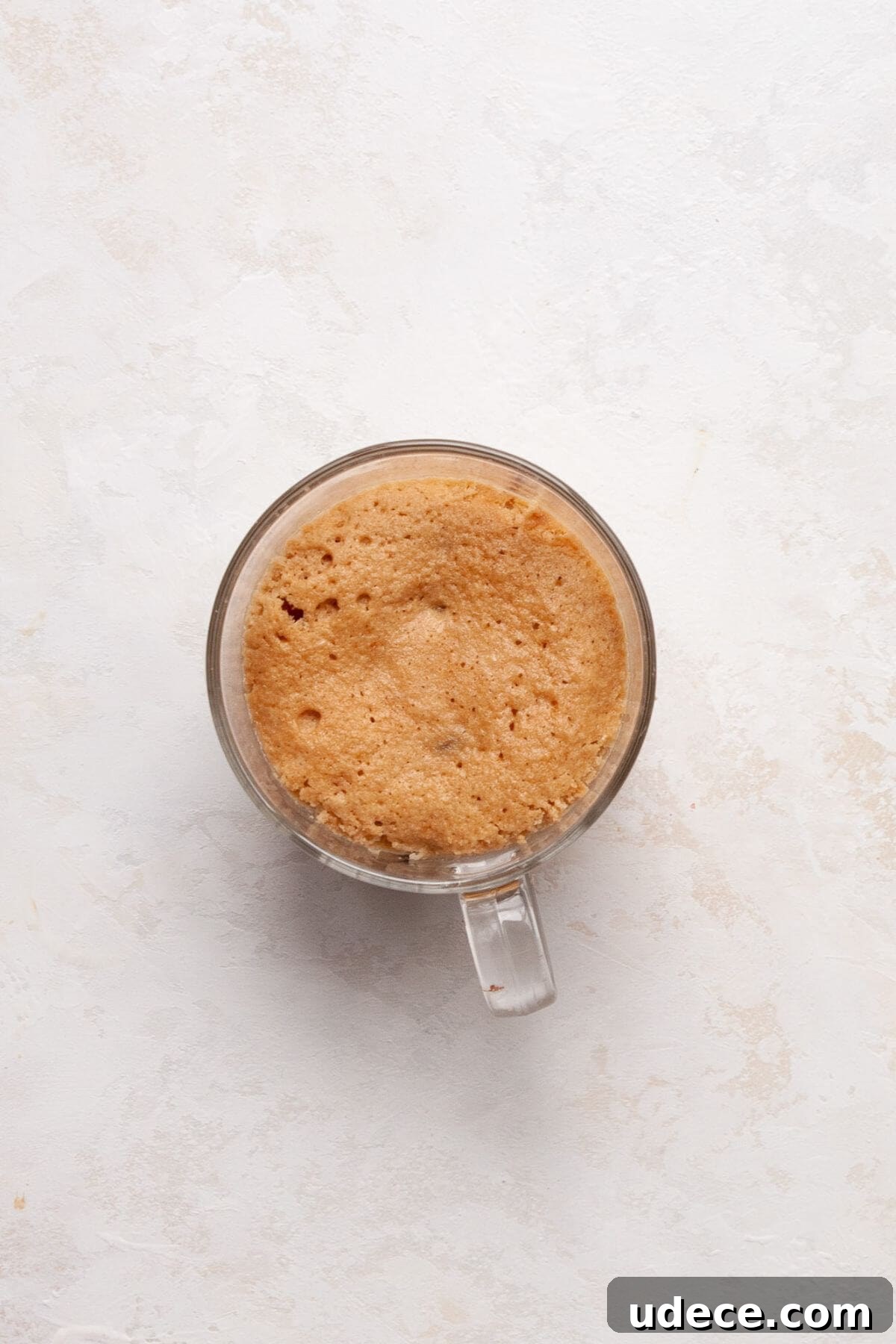
- Step 3: Microwave 60–75 seconds. Check at 50 seconds. The center may look slightly wet but will firm as it cools. Serve warm.
Quick Video Tutorial (Step-by-Step)
Expert Tips
- Choose the right protein: Whey or pea protein bake best. Collagen and beef protein tend to produce gummy results.
- Use a roomy mug: An 8–12 oz mug gives the batter room to rise and avoids overflow.
- Check early: Start checking at 50 seconds. If the top looks set, stop—every extra 10 seconds risks a rubbery texture.
- Eat it warm: Best within a few minutes of microwaving for the softest texture.
Why Your Protein Mug Cake Didn’t Work (and How to Fix It)
Common issues and fixes:
- Dry or rubbery: Likely overcooked or using a protein that doesn’t bake well. Shorten the microwave time or change the protein powder.
- Gummy or flat: Usually a protein powder issue—switch to whey or pea protein.
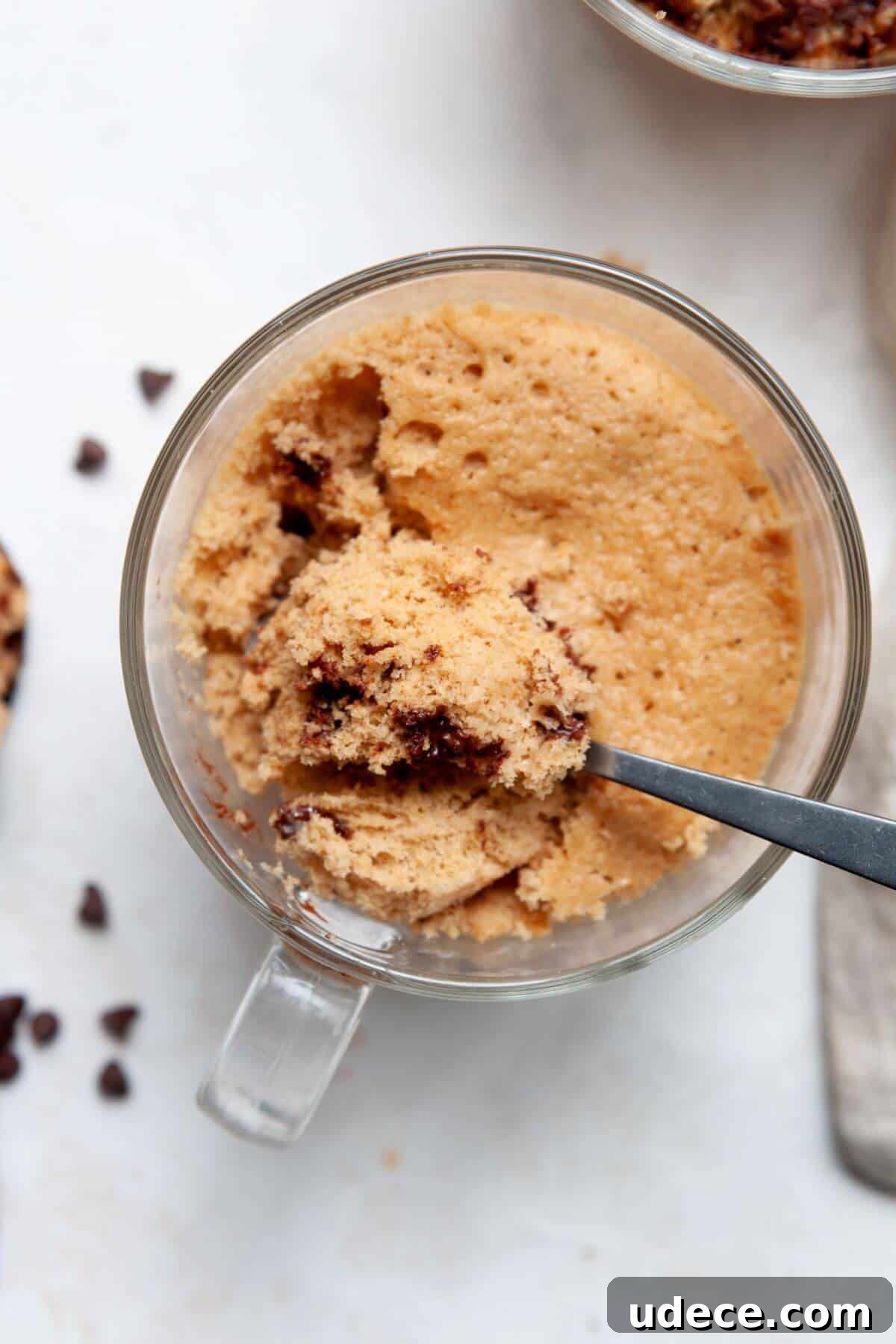
- Too dense: Avoid overmixing and don’t pack the oat flour; spoon and level when measuring.
- Undercooked center: Microwaves vary—cook in 10-second increments until the center just sets.
How to Store & Meal Prep
- Best fresh: Enjoy the mug cake warm right after microwaving for the best texture.
- Meal prep the dry mix: Combine oat flour, protein powder, baking powder, and salt in a jar to speed future prep.
- Quick to make: When ready, add wet ingredients, stir, and microwave.
- Don’t store after cooking: The cake can dry out if stored—it’s best eaten immediately.
Frequently Asked Recipe Questions
Use a protein powder with a flavor you enjoy. Whey typically yields a lighter texture; plant-based proteins like pea or blends work too. Avoid collagen and beef protein for baking.
Yes—use a plant-based protein powder and non-dairy milk to keep it vegan and eggless.
Yes. Bake at 350°F (175°C) in an oven-safe ramekin for about 12–15 minutes, or until set in the center.
Yes—use chocolate protein powder and add 1 tbsp cocoa powder for a richer flavor, plus optional chocolate chips.
Usually due to overcooking or using a protein powder that doesn’t bake well. Reduce cook time or try a different powder.
Protein powder provides structure and the high-protein content. For a different high-protein microwave option without protein powder, try microwave-baked oats.
More High-Protein Recipes to Try
If this mug cake becomes a favorite, try other high-protein recipes like cottage cheese chocolate mousse, a high-protein pancake bowl, protein baked oats, or fluffy microwave baked oats.
-
Cottage Cheese Chocolate Mousse Recipe
-
High Protein Pancake Bowl
-
Protein Baked Oats
-
Fluffy Microwave Baked Oats



Did you make this recipe?
Leave a comment and star rating to share how it turned out. If you post a photo, tag @healthfulblondie on Instagram—I enjoy seeing reader versions.
📖 Recipe

Protein Powder Mug Cake
Ingredients
- 1/4 cup oat flour
- 2 tablespoons vanilla protein powder (whey or pea)
- 1/2 teaspoon baking powder
- 1 tablespoon coconut sugar
- 1/4 cup milk (oat, almond, or cow’s milk)
- 1/2 teaspoon vanilla extract
- 2 tablespoons mini chocolate chips (optional)
Instructions
-
Mix the dry ingredients: In a microwave-safe ramekin or mug, combine oat flour, protein powder, coconut sugar, and baking powder.
-
Add the wet ingredients: Stir in the milk and vanilla until smooth and free of clumps.
-
Stir in chocolate chips: Fold in chocolate chips if using and sprinkle a few on top.
-
Microwave: Cook on high for 60–75 seconds. Check at 50 seconds and then in 10-second intervals until the top looks set. A slightly soft center will firm as it cools.
-
Serve: Enjoy warm directly from the mug.
Notes
Oat Flour: If unavailable, blend rolled oats to a fine flour. Don’t sub almond or coconut flour without adjusting the recipe—texture will change.
Microwave Times: Start checking at 50 seconds. Continue in 10-second intervals until just set—overcooking makes it rubbery.
Batter: If batter is too thick, add milk 1 teaspoon at a time until it resembles pancake batter.
Mug Size: Use an 8–12 oz mug to allow room for rising.
Nutrition
Carbs: 38 g |
Protein: 24 g |
Fat: 5 g
Recipe tested and developed by Tati Chermayeff, creator of Healthful Blondie—where classic comfort foods get a wholesome twist. Tati is a recipe developer who focuses on balanced, feel-good favorites.