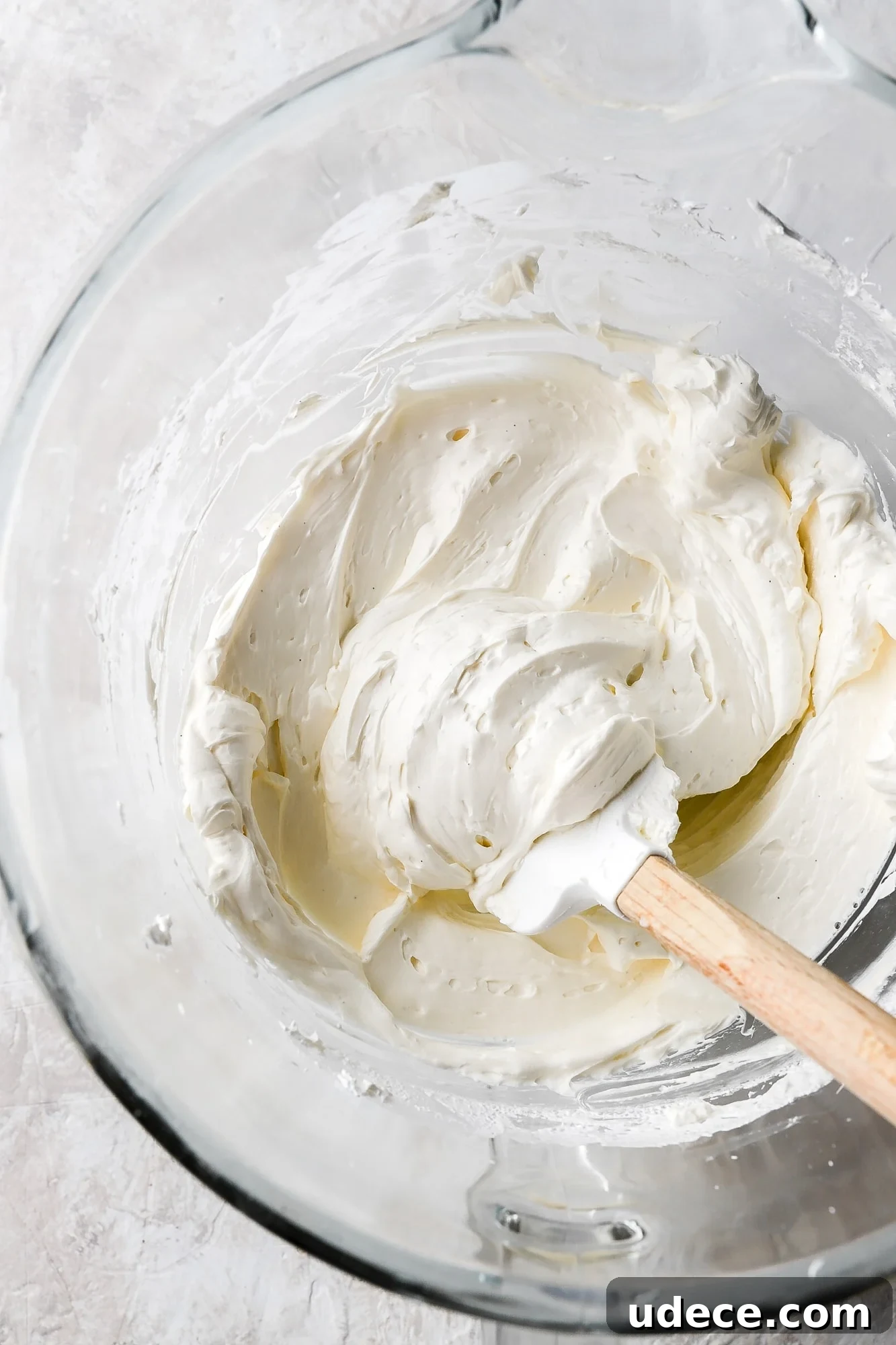
All the essentials for Swiss meringue buttercream: how to make it, customize it, flavor and color it, troubleshoot common issues, and store it. This buttercream is my favorite because it’s consistently reliable, light, fluffy, and stable for decorating and filling.
What is Swiss meringue buttercream
Swiss meringue buttercream is one of the most popular buttercream styles alongside American buttercream. Compared to whipped cream or plain Swiss meringue, Swiss meringue buttercream feels richer, yet for a buttercream it remains light and airy while offering excellent stability. That stability means it tolerates warmth and temperature changes better than many other frostings and holds up well when you add flavorings.
The name traces back to Meiringen, a town in Switzerland, where a chef named Gasparini developed the Swiss meringue technique that later became the basis for this buttercream.
How to make a Swiss meringue buttercream
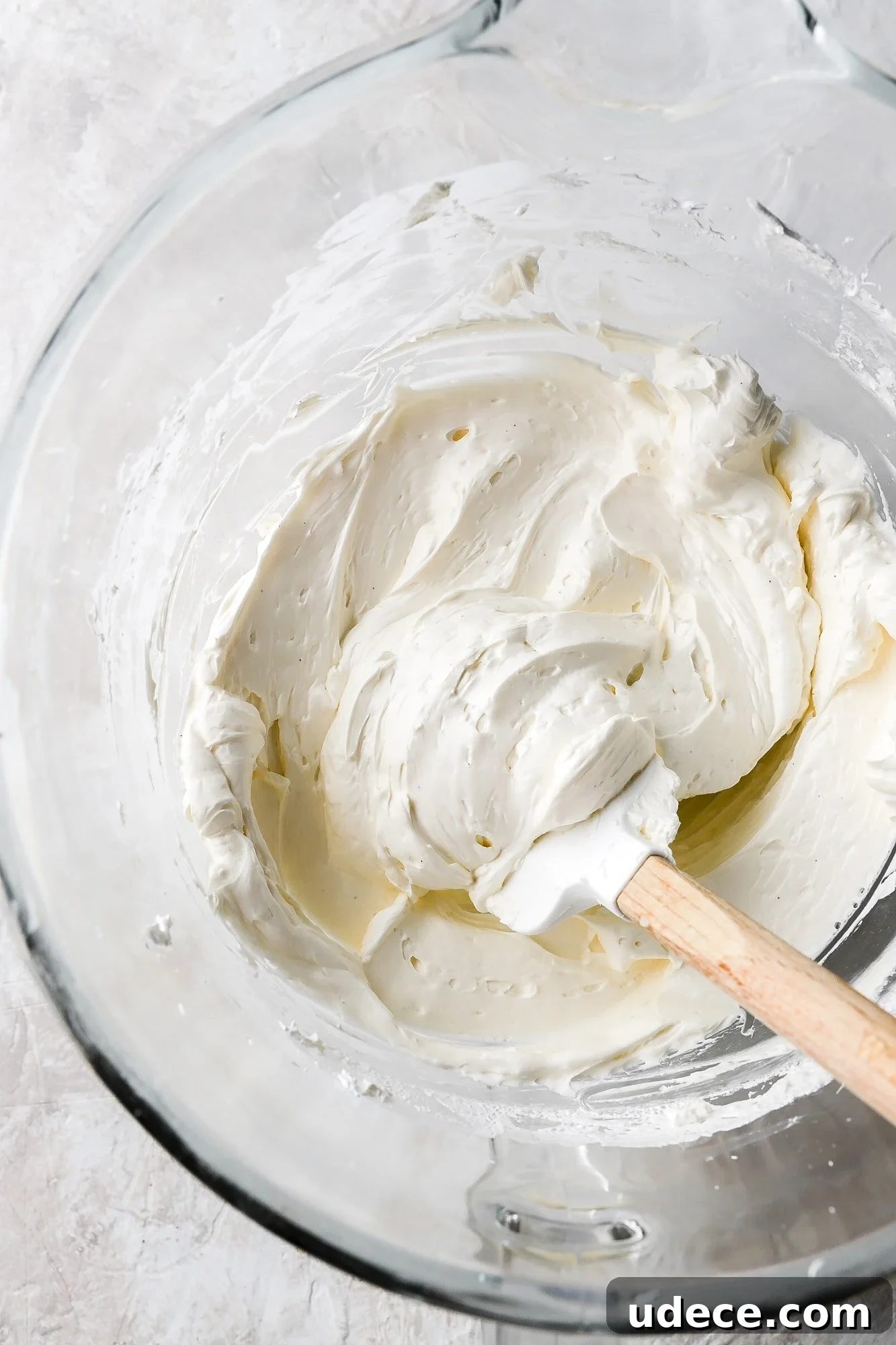
Swiss meringue buttercream is composed of two parts: a heated meringue made from egg whites and sugar, and softened butter that is beaten into the cooled meringue until it emulsifies into a glossy, silky, and fluffy buttercream.
Main Ingredients:
- Egg Whites: Fresh, room-temperature egg whites work best. I’ve also had success with aged whites, pasteurized carton egg whites, and even aquafaba as an egg-free alternative.
- Sugar: Granulated sugar is standard. Superfine (caster) sugar works too. You can use light or dark brown sugar, but if using brown sugar reduce the quantity by 25% (about 1/4 cup / 50 g less) because of its higher moisture.
- Butter: Unsalted butter is preferred to control salt levels. Regular commercial butter, European-style butter, and some plant-based butters can all work—just ensure the butter is soft but still cool enough to hold structure.
Step-by-Step Photos
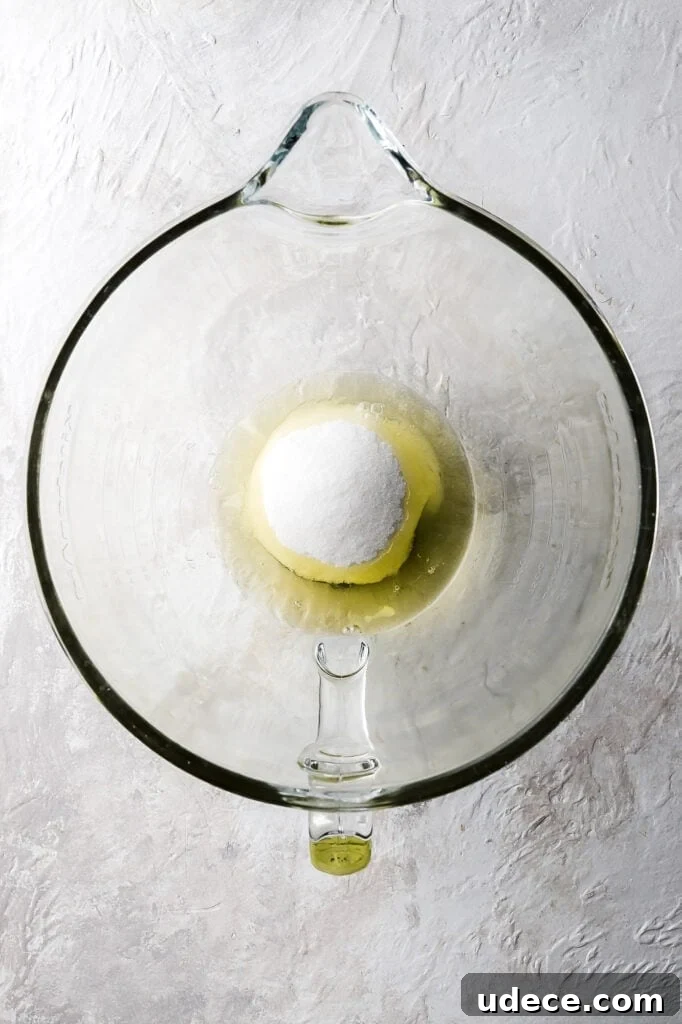
- Combine egg whites and granulated sugar in the bowl of a stand mixer (use a metal mixer bowl when possible).
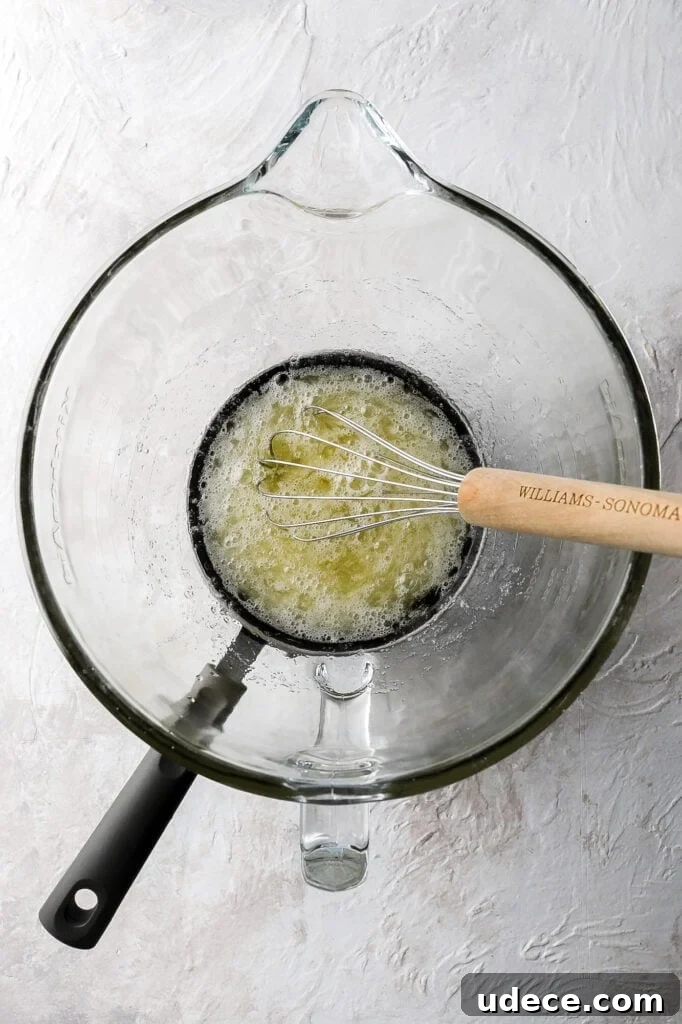
- Heat the egg whites and sugar gently over a double boiler, whisking until the sugar is dissolved and the mixture is warm to the touch.
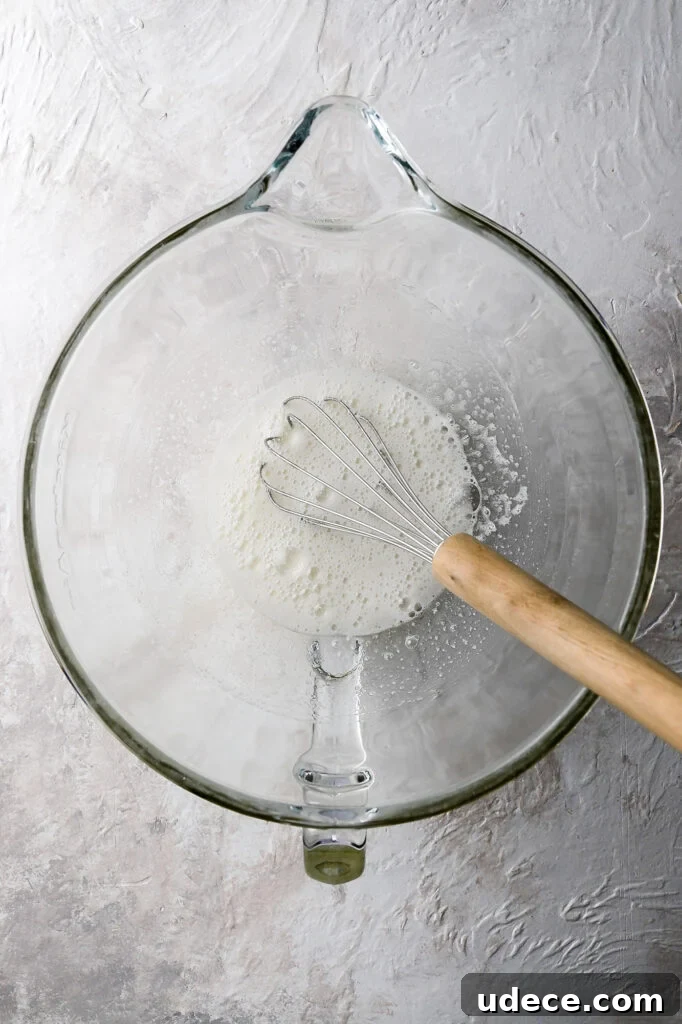
- Remove from heat and whip the mixture at high speed until glossy, stiff peaks form and the meringue has cooled.
- With the mixer running, add butter a few tablespoons at a time, waiting for each addition to incorporate before adding more.
- At first the mixture may appear soft and slightly loose as you add half the butter.
- Continue adding the butter and beat until the buttercream fully emulsifies into a smooth, stable, and fluffy frosting.
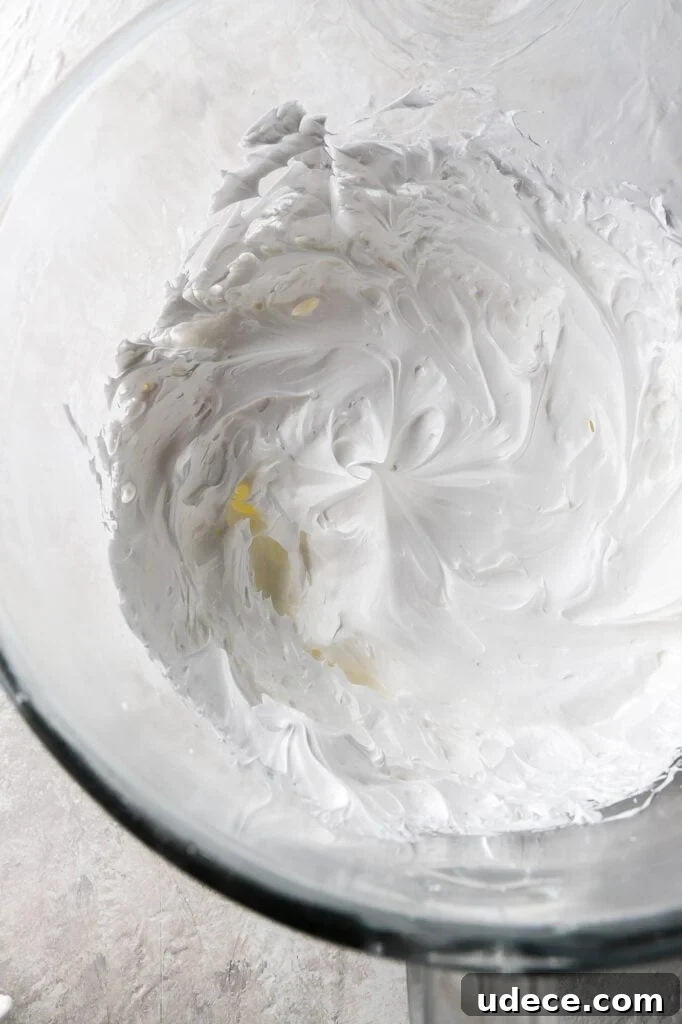
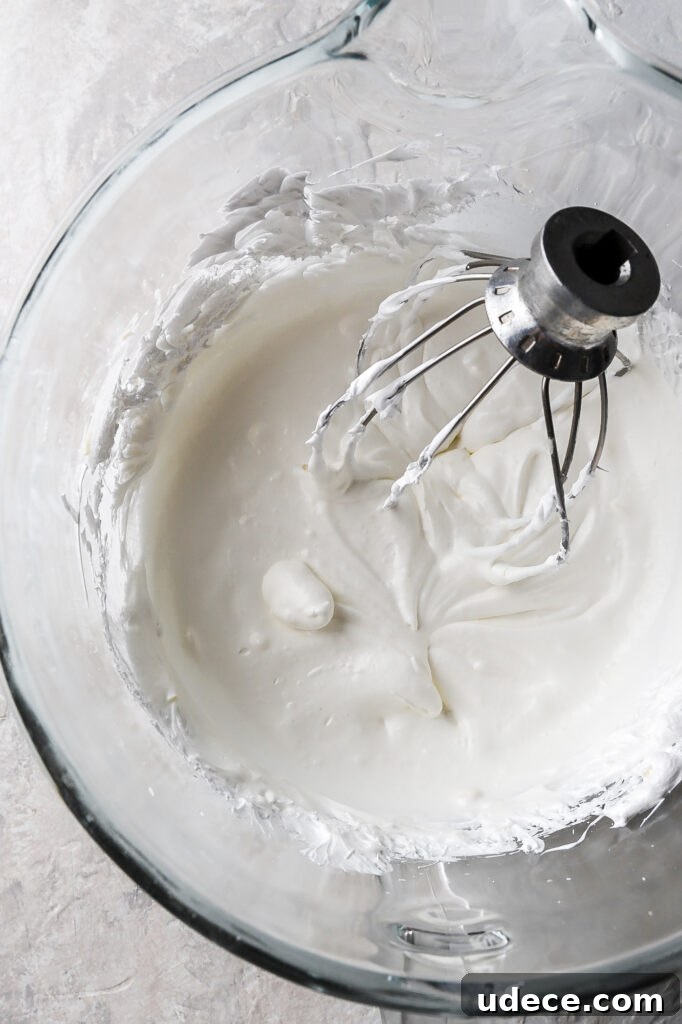
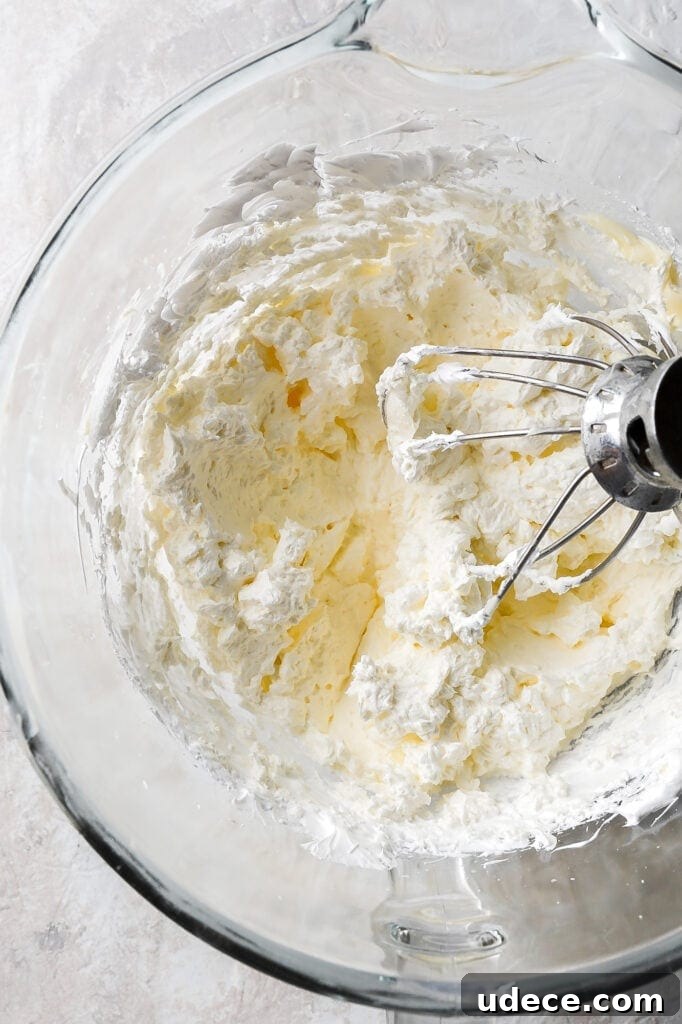
How to flavor the buttercream
Swiss meringue buttercream accepts stronger flavorings than American buttercream, but you’ll often need more to achieve the same intensity. For example, instead of 1 teaspoon of vanilla, I typically use about 1 tablespoon per batch.
Suggested amounts for one batch:
- Vanilla: 1 tablespoon vanilla extract or vanilla bean paste, or the seeds from 1 vanilla pod.
- Almond or Lemon Extract: 1 teaspoon (or a similar strong extract).
- Melted Chocolate: 1/2–1 cup (95–170 g) melted chocolate chips, depending on desired chocolate intensity.
- Unsweetened Cocoa Powder: 1/2 cup (40 g), up to 3/4 cup (60 g) if you want a very intense cocoa flavor—use caution as too much can affect texture.
- Nut Butters: 1/2–1 cup of creamy nut butter (commercial-style rather than natural runny types).
- Coffee: 1–2 teaspoons espresso powder or 1–2 tablespoons instant coffee dissolved in equal parts water.
- Jam/Preserves: About 1/2 cup; reduce slightly if the jam is very loose to avoid adding excess moisture.
- Freeze-dried Fruit (ground): 1/4–1/2 cup. This is preferred over jam since it adds strong flavor and color with minimal moisture, reducing the chance of breaking the buttercream.
If you’re considering another flavor, ask and I’ll recommend amounts based on water content and strength.
Troubleshooting Buttercream
Runny Buttercream
If the buttercream is smooth but too soft and runny, chill it in the refrigerator for 20–40 minutes, then scrape the bowl and beat at medium speed. If it remains too soft, chill longer until it firms up into a paste-like texture, then beat again.
Split / Curdled Buttercream
If the mixture looks curdled, like cottage cheese, it hasn’t emulsified properly. This usually happens when the butter is too cold or the meringue was still too warm when butter was added. Fixes include:
- Remove a few spoonfuls of the buttercream, heat them in a microwave-safe bowl until melted (about 30 seconds), then pour the warm, melted portion back into the mixer while beating on medium speed to help re-emulsify.
- Gently warm the outside of the metal mixer bowl with a culinary torch while beating on medium speed; move the torch continuously and cautiously to even out the temperature. This works best with a metal bowl.
- Set the mixer bowl over a double boiler and whisk until the mixture becomes smooth and runny. Once melted and uniform, follow the “Runny Buttercream” steps (cool and re-chill, then rebeat).
What if it curdles only after adding flavors or the fixes don’t work?
This often indicates too much water relative to fat. Causes can include larger-than-usual eggs, butter with high water content, or adding too much jam or another liquid ingredient. To correct it, add an extra 1/4 cup (56 g) butter and beat at high speed. You may need to rewarm or re-chill to equalize temperatures before re-beating.
If you’re troubleshooting a batch, describe the symptoms and I can help diagnose it so you don’t waste ingredients.
How to store buttercream
Swiss meringue buttercream stores well and can be made ahead and rewhipped to restore texture. Always keep it in an airtight container.
Room temperature: up to 2 days (container or on a frosted cake).
Refrigerator: 7–10 days (container or on a frosted cake). Let it come to room temperature and rewhip if needed before serving.
Freezer: up to 3 months. Double-seal containers to prevent freezer burn; thaw in the refrigerator before bringing to room temperature and rewhip to restore consistency.
Frequently Asked Questions
Yes. I’ve made it with plant-based butter. Choose a high-quality, firm plant butter labeled for baking to get the best texture; an unsalted cultured-style plant butter performs well.
Yes—use aquafaba. A typical conversion is 1/4 cup aquafaba with 3/4 cup granulated sugar to replace the egg-white meringue. Prepare and whip it using the same method as a regular Swiss meringue.
You can combine aquafaba with plant-based butter. It can work, but the vegan version is more sensitive to temperature and can break more easily when flavored. A tested ratio for a vegan trial: 1/4 cup aquafaba, 3/4 cup granulated sugar, and 1 cup plant-based butter. Taste and texture vary by brand.
Swiss meringue buttercream can be made with certain sugar substitutes. I’ve used a granular zero-calorie sweetener as a 1:1 volume replacement for granulated sugar—measure by volume, not weight, because substitutes often weigh less than sugar. Note that alternative sweeteners can change flavor.
For the palest white base, use a naturally paler butter. A whiter base makes color mixing more predictable. Use gel or paste food coloring rather than water-based liquid color to avoid thinning the buttercream.
Recipes that use Swiss meringue buttercream:
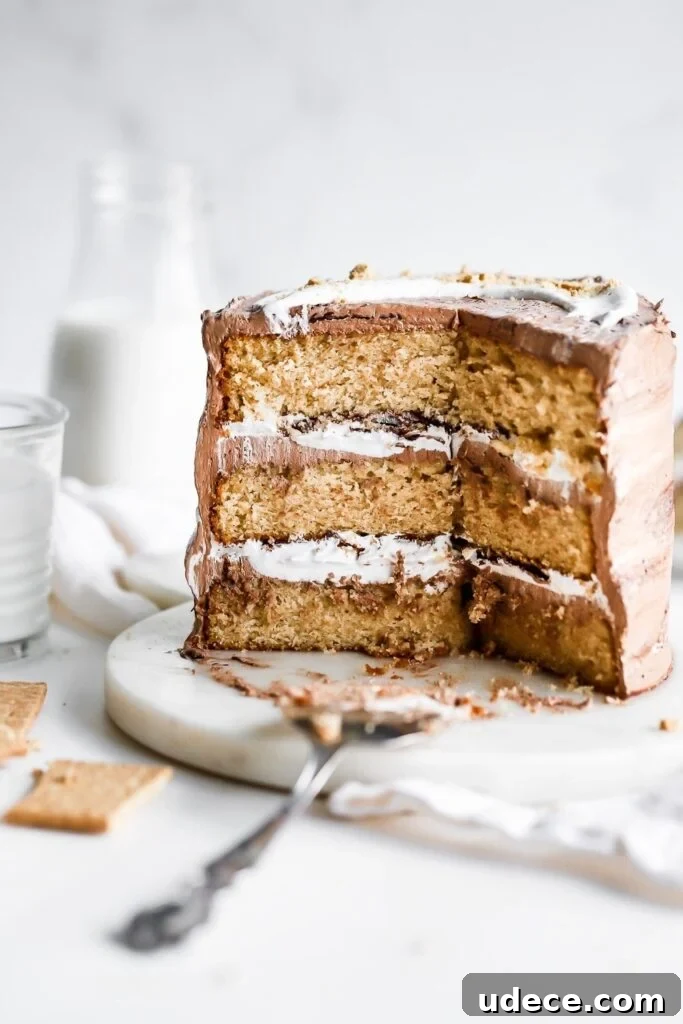
Swiss meringue buttercream is versatile and can replace French or American buttercream when you prefer a less sweet, silkier finish. It works well for layer cakes, filled cakes, and most piping needs. Some examples where I use Swiss meringue buttercream are in my S’mores Cake, Mocha Cake, and White Chocolate Raspberry Cake, though personal flavor pairings may vary.
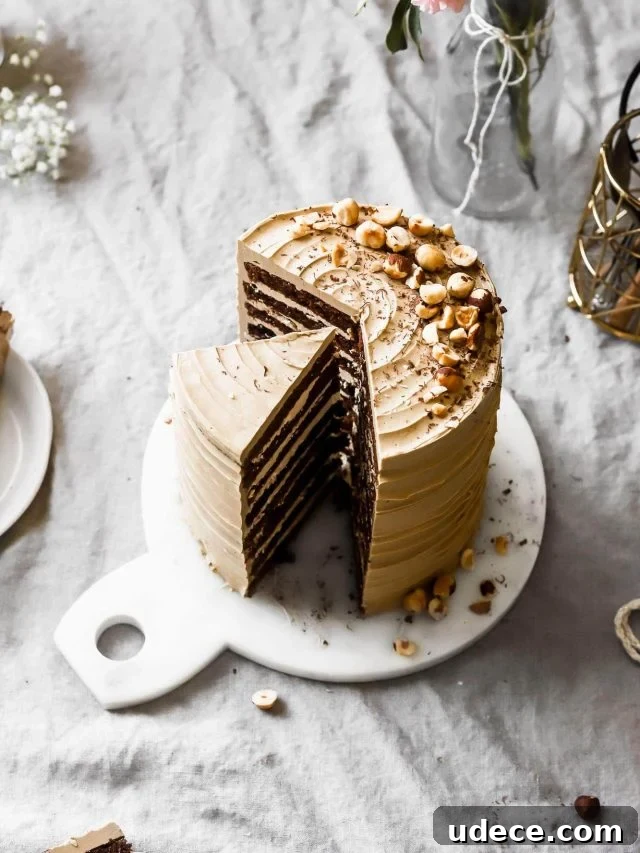
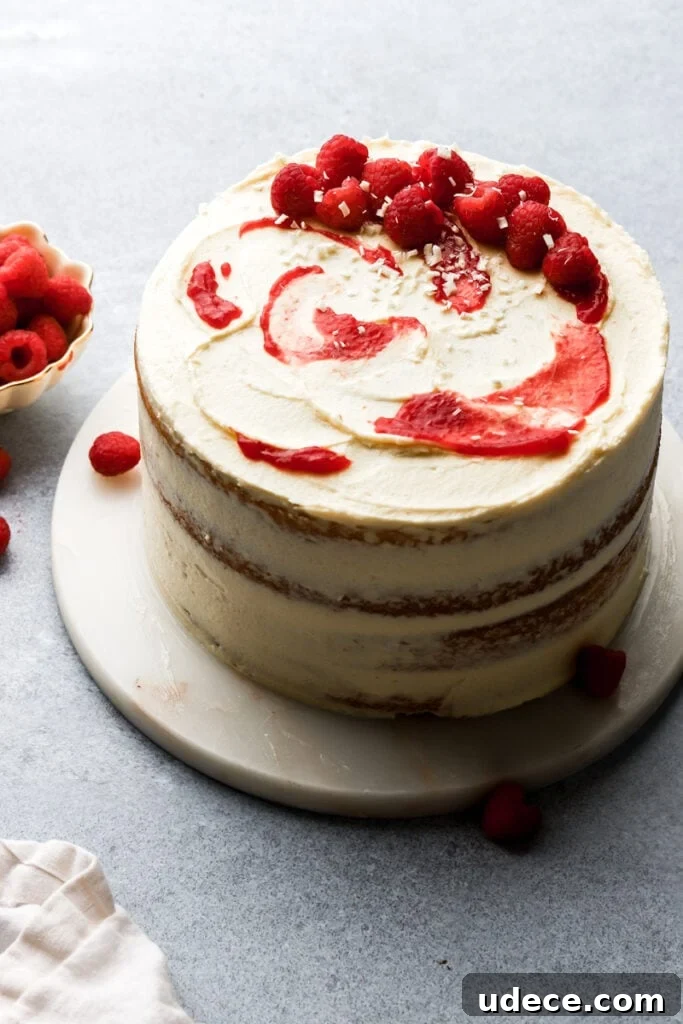
Thanks for reading—if you have questions, comment below and I’ll help troubleshoot. If you make this recipe and enjoy it, a review is always appreciated. Happy baking!
Love, B
Frosting
Swiss Meringue Buttercream Recipe
Pin Recipe
email recipe
Equipment
-
1 stand mixer with whisk attachment
-
1 small pot
-
1 Rubber Spatula
Ingredients
- 4 large egg whites, room temperature
- 200 grams granulated sugar
- 227 grams unsalted butter*, room temperature (smidge more if it doesn’t come together)
- 2 tsp vanilla bean paste, or vanilla extract
- tiny pinch of fine sea salt
Method
- Bring a small pot with 1/2 cup of water to a boil and then reduce to a simmer.
- Place the egg whites and granulated sugar in the bowl of a stand mixer and set the bowl over the simmering water for 5–10 minutes, whisking occasionally, until the sugar is completely dissolved.
- Remove the bowl from heat and use the whisk attachment to beat the egg whites and sugar. Beat on high for 7–10 minutes until glossy and cooled, then lower speed to low–medium.
- Slowly add 2 tablespoons of butter at a time, waiting for each addition to incorporate before adding more. Once all the butter is added, increase the mixer to high for a few seconds until the buttercream comes together.
- Scrape the bowl with a rubber spatula, add vanilla bean paste (or extract) and the pinch of salt, and beat until fully combined and smooth.
Notes
*TIP: If you’ve added all the butter and beaten on high for several minutes and it still hasn’t come together, add another 56 grams (1/4 cup) of butter. Refer to the troubleshooting section if your buttercream is runny or curdled.
Nutrition
Carbohydrates: 69g
Protein: 5g
Fat: 62g