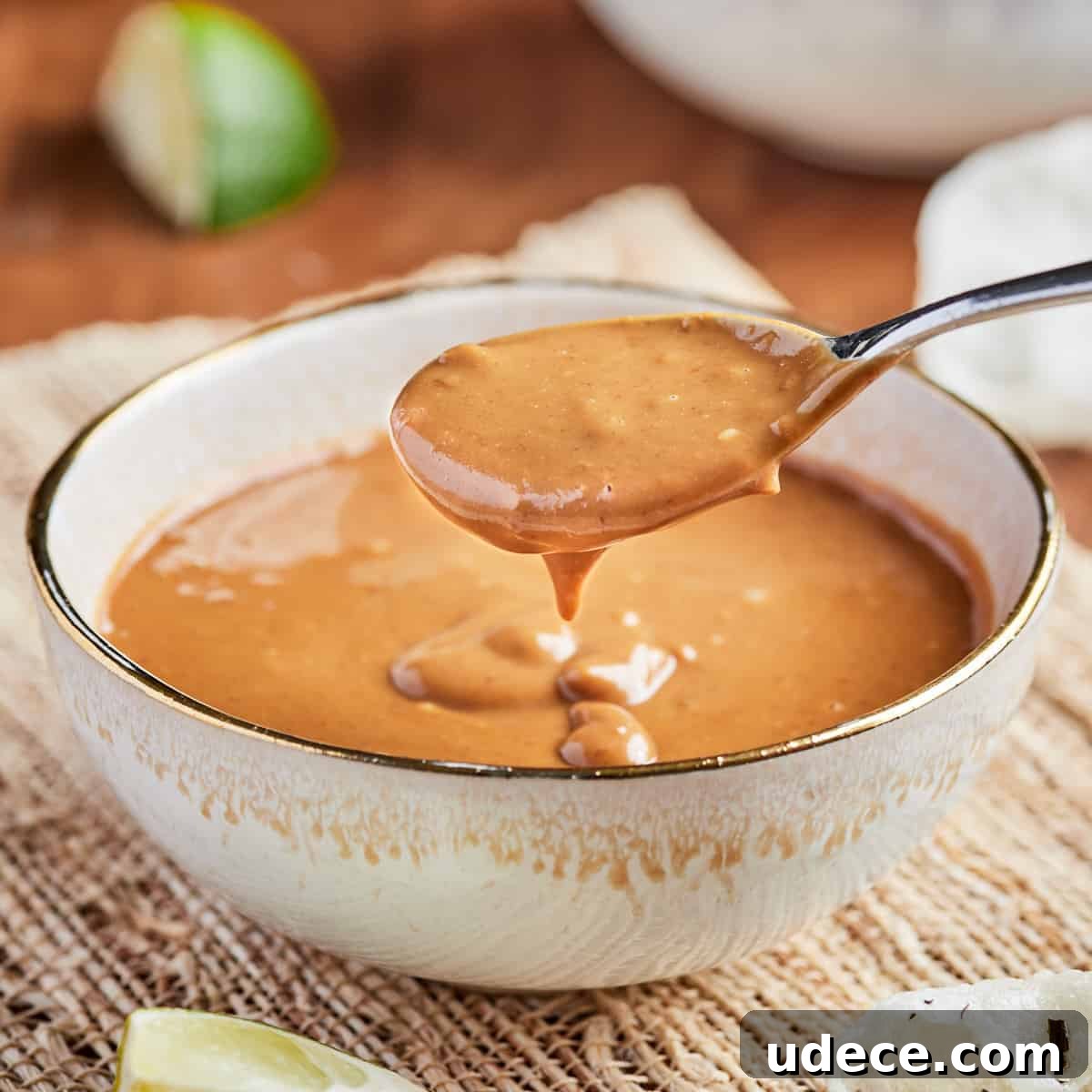
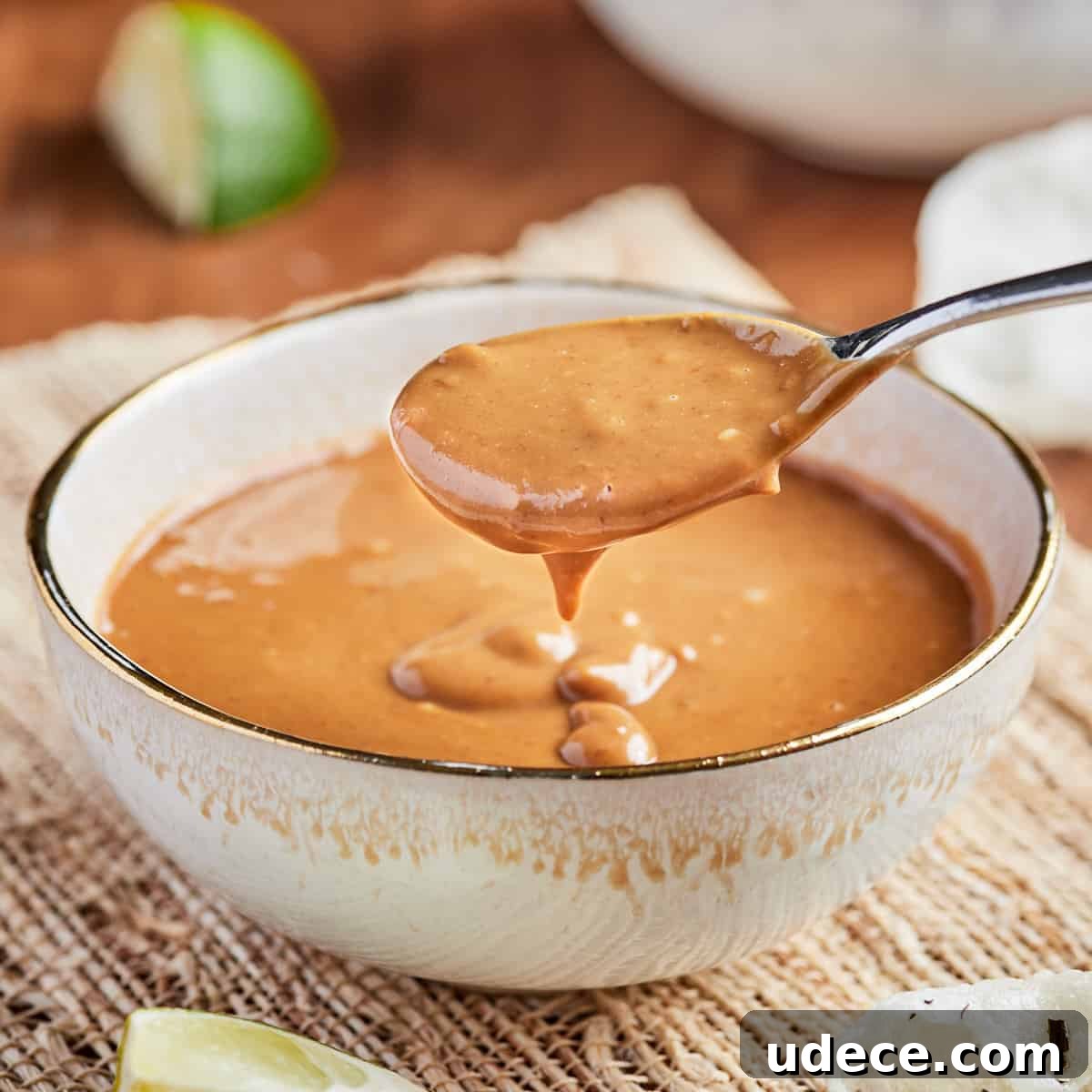
This Indonesian satay sauce is quick and simple to prepare and packs a punch of flavour and peanut protein. It’s ideal for busy weeknights or for whipping up a fast dip when guests arrive. Omit the chilli to make a kid-friendly version for dipping air-fried tofu and vegetables. Unlike many traditional recipes, this version contains no shrimp paste, so it’s fully vegan.
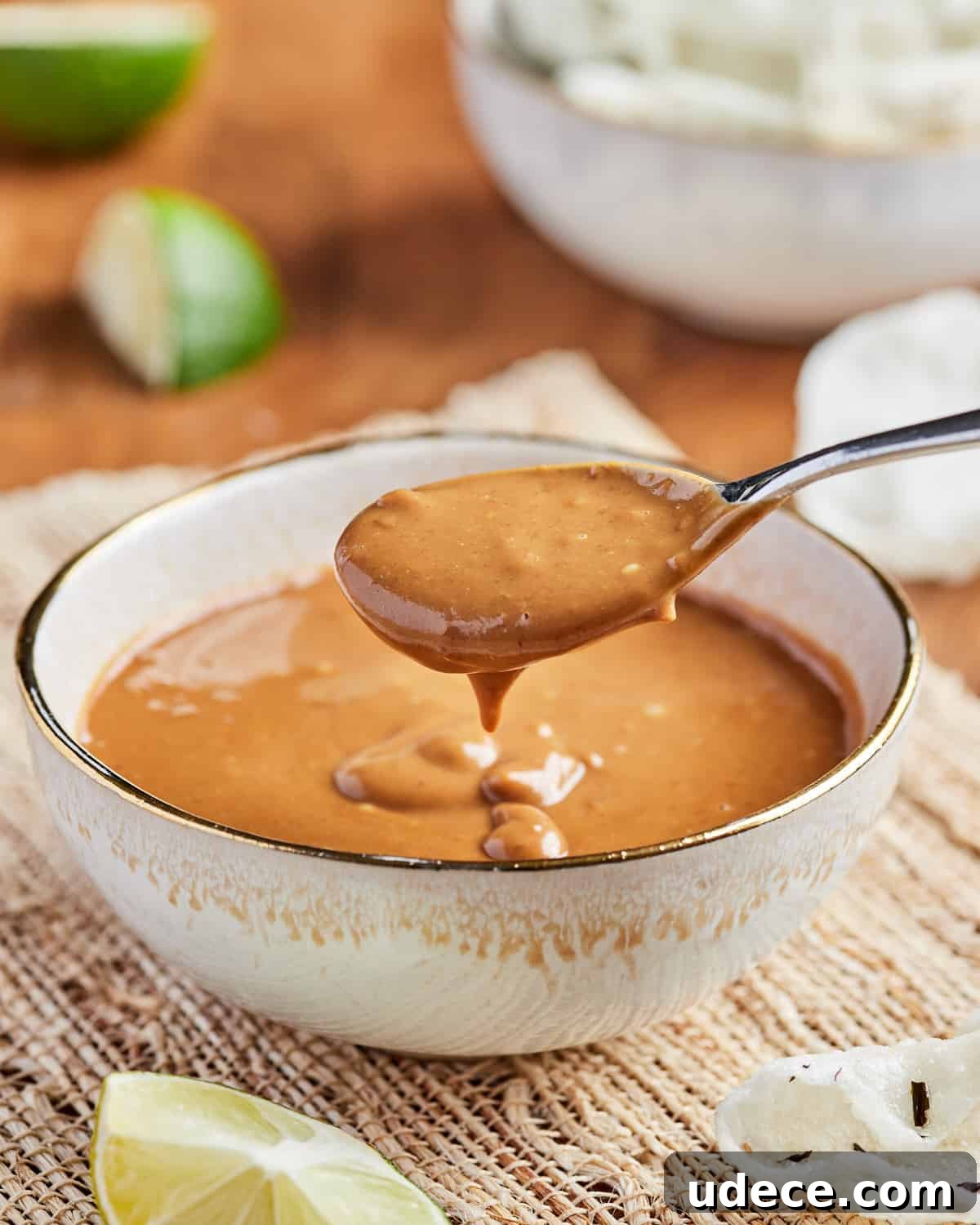
I often turn to Asian flavours for fast family meals. This satay sauce is a speedy way to add protein and depth to bowls of noodles, air-fried tofu and vegetables, or simply as a dip for rice crackers. Using natural peanut butter saves time compared with roasting and grinding peanuts. Once you try this homemade version you’ll likely stop buying jarred satay sauce.
Why You Will Love This Recipe
- Quick and easy – takes just minutes to prepare with only a jug and a fork or small whisk.
- Authentic flavour – simpler than traditional methods but delivers that distinctive Indonesian peanut-and-spice profile.
- Versatile – great for noodles, tofu, roasted vegetables, or as a dip.
- Stores well – makes a batch to keep in the fridge or freezer for fast meals.
- Vegan – no shrimp paste or other animal products, while still delivering bold flavour.
The difference between Indonesian and Thai satay sauce
In Indonesia, “saté” refers to the grilled skewered meat that’s traditionally served with a spicy peanut sauce. In the UK this peanut sauce is often called “satay sauce” and in the US it’s usually called “peanut sauce.” My recipe is based on the Indonesian style: more savoury and focused on peanut and spice notes. Thai satay sauces often include coconut milk and are sweeter.
There are several peanut-based sauces across Indonesia. “Bumbu kacang” means the peanut spice mix, while “sambal kacang” refers to a spicier peanut sauce. The dressing for gado gado (an Indonesian salad) is another variation. You can thin this satay sauce with oil and water to use as a quick salad dressing.
Ingredients Notes
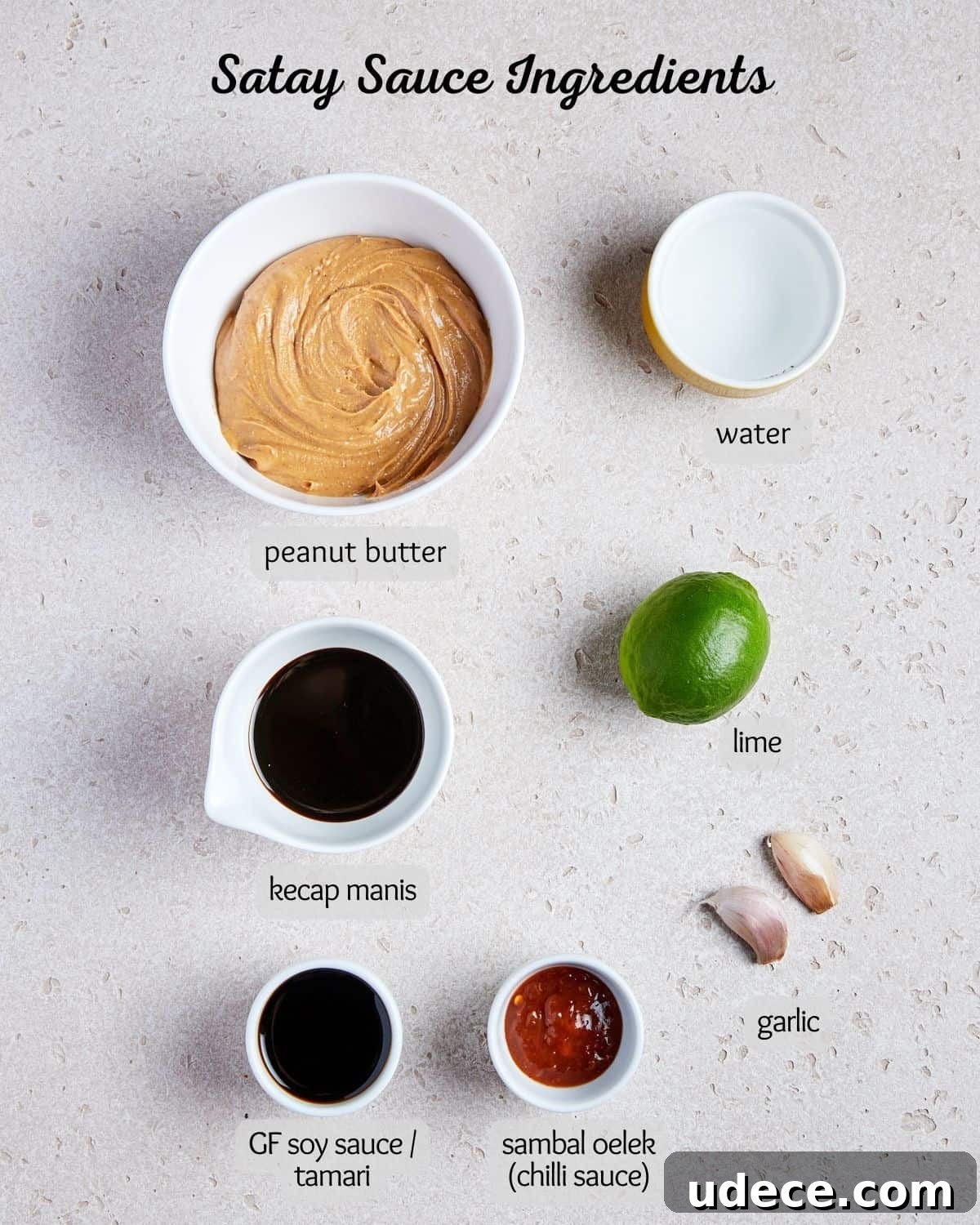
- Peanut butter – use natural peanut butter made from roasted peanuts only, with no added sugar or salt. If unavailable, make your own or roast peanuts and blend to a paste.
- Garlic – use fresh garlic, finely minced or grated so the sauce stays smooth and lump-free.
- Kecap manis – a sweet Indonesian soy sauce. Check labels for gluten-free versions. If you don’t have it, use gluten-free soy sauce and increase the maple syrup or sweetener to compensate.
- Tamari or gluten-free soy sauce – use tamari if you need a naturally gluten-free option.
- Lime juice – fresh lime juice adds brightness; lemon is an acceptable substitute.
- Sambal oelek – an Indonesian chilli paste. Substitute with an unsweetened chilli sauce or sriracha, or omit for a mild, kid-friendly version.
See the recipe card below for exact ingredient quantities and full instructions.
How To Make This Recipe
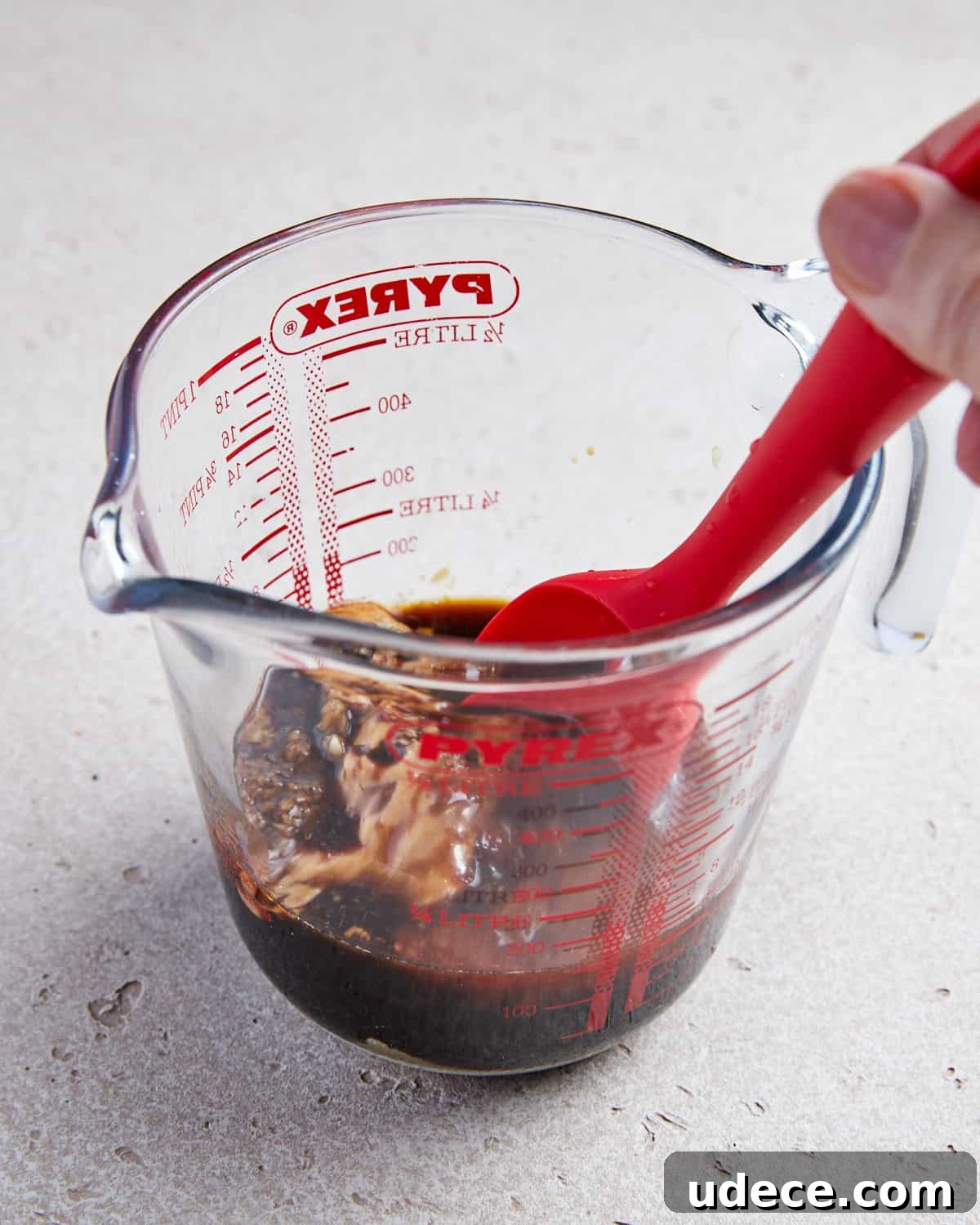
Step One – Place all ingredients except the water into a measuring jug and whisk together with a fork or small whisk until combined.
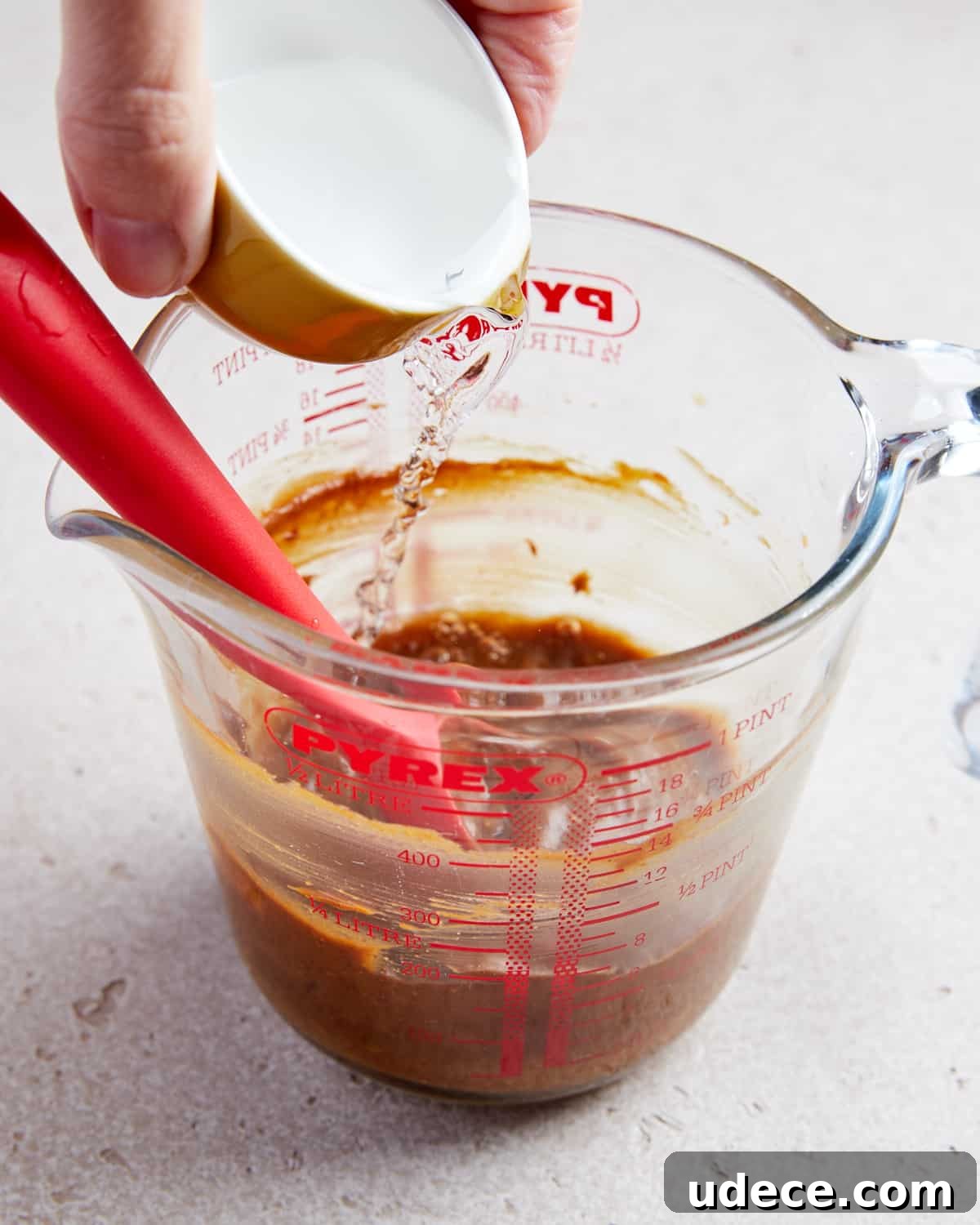
Step Two – Slowly add the water while whisking until the sauce is smooth and reaches your preferred consistency. Use less water for a thick dip, more for a drizzle or dressing.
This summary covers the method; refer to the recipe card below for full measurements and details.
Tips for Success
Key tips to get a smooth, balanced satay sauce:
- Combine all ingredients well before thinning with water to avoid lumps. Make sure the garlic is very finely minced or grated.
- Use natural, unsweetened peanut butter without added salt to keep the flavour balanced.
- Control thickness by varying the water. For a thinner sauce, add a little coconut milk or oil as desired.
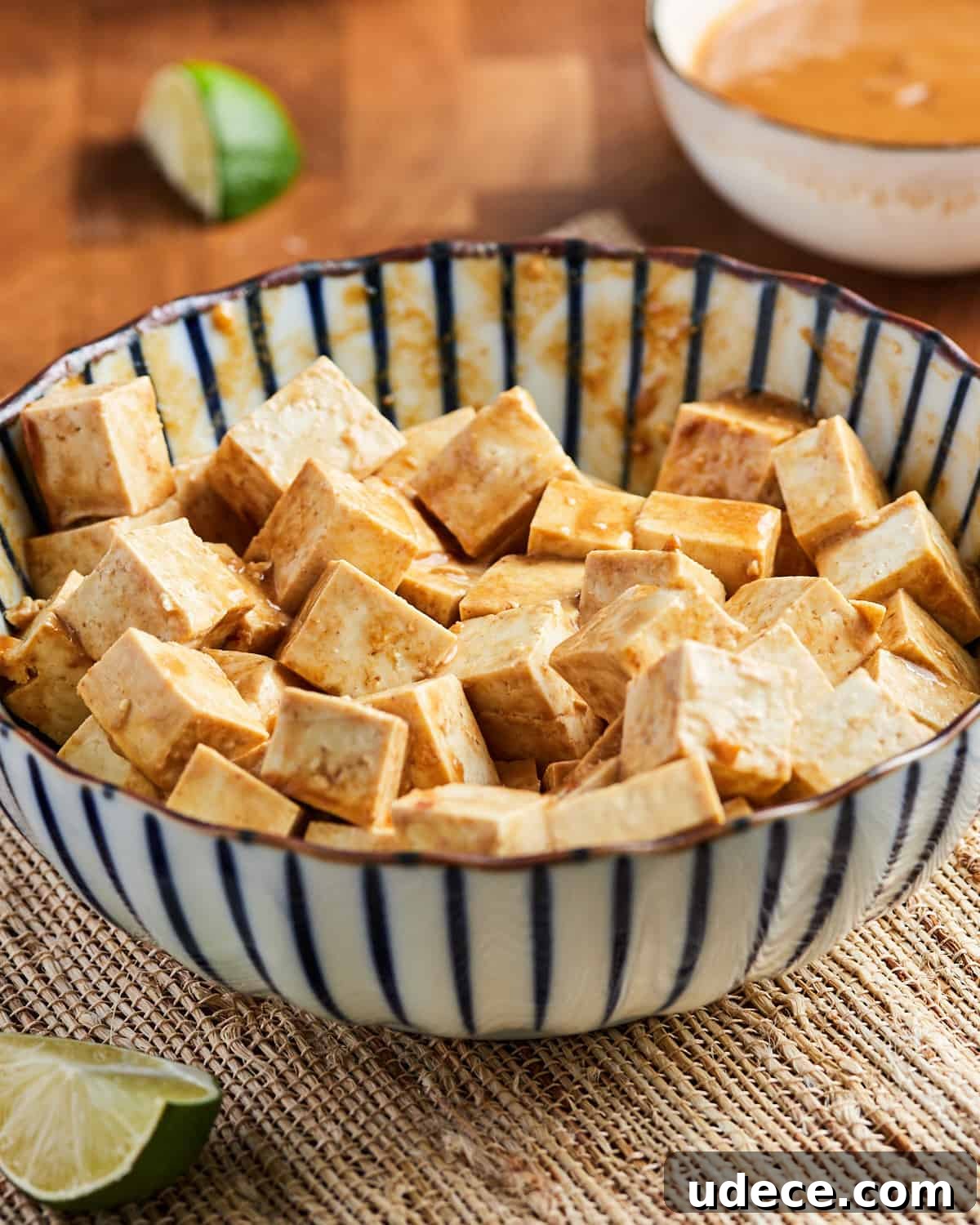
How to use this vegan satay sauce
This sauce works as a dip, a drizzle, a stir-fry sauce, or a marinade.
- Drizzle over tofu or tempeh – grill or air-fry cubes or slices, then spoon over a thicker sauce.
- Noodles – toss with noodles and vegetables for a quick stir-fry supper.
- Marinade – mix 2 tablespoons of sauce with 2 tablespoons of oil, coat pressed tofu and marinate for a few hours before cooking. Serve extra sauce on the side for dipping.
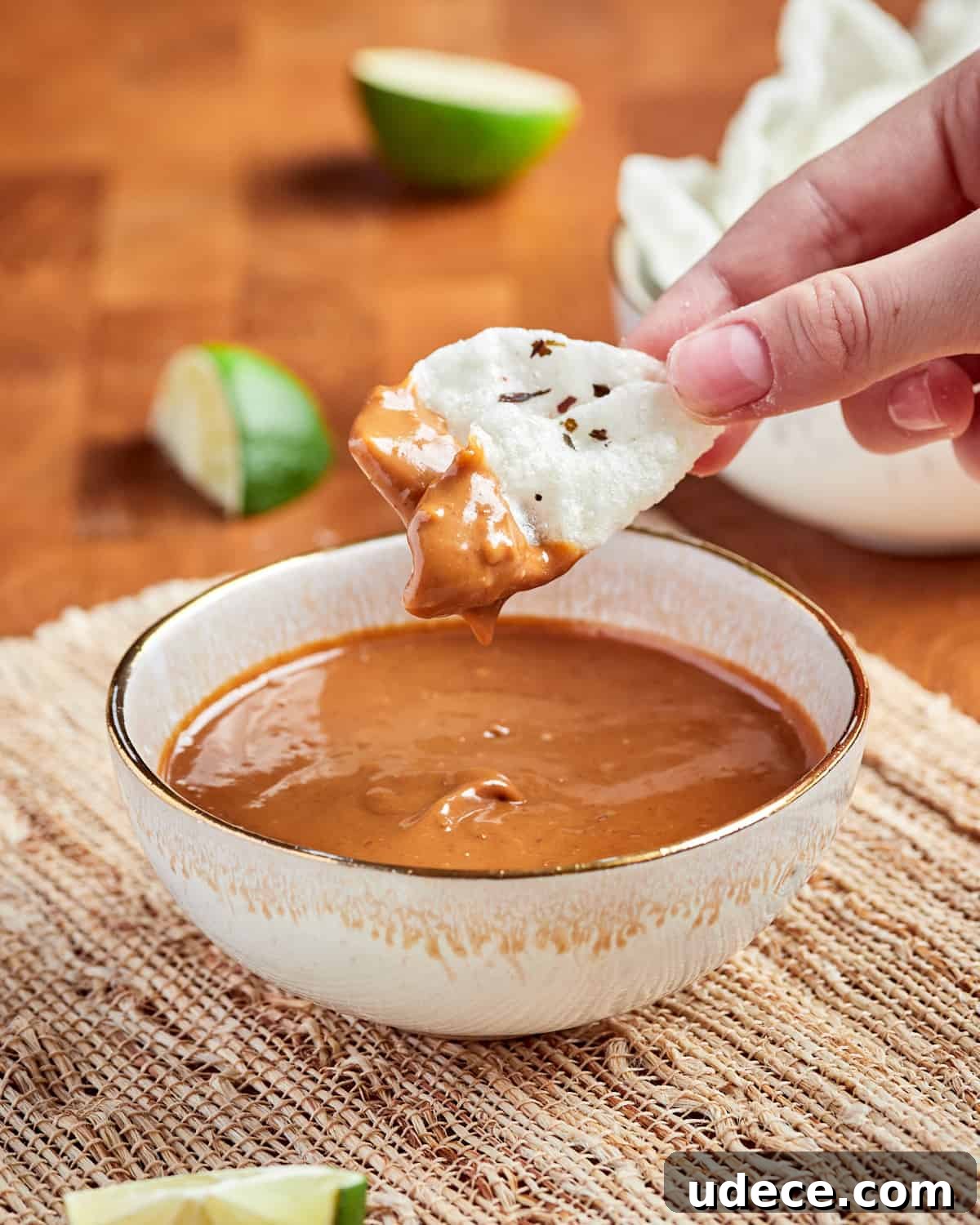
- Dip – keep the sauce thicker for dipping krupuk (Indonesian crackers) or vegetable sticks.
How to make vegan krupuk
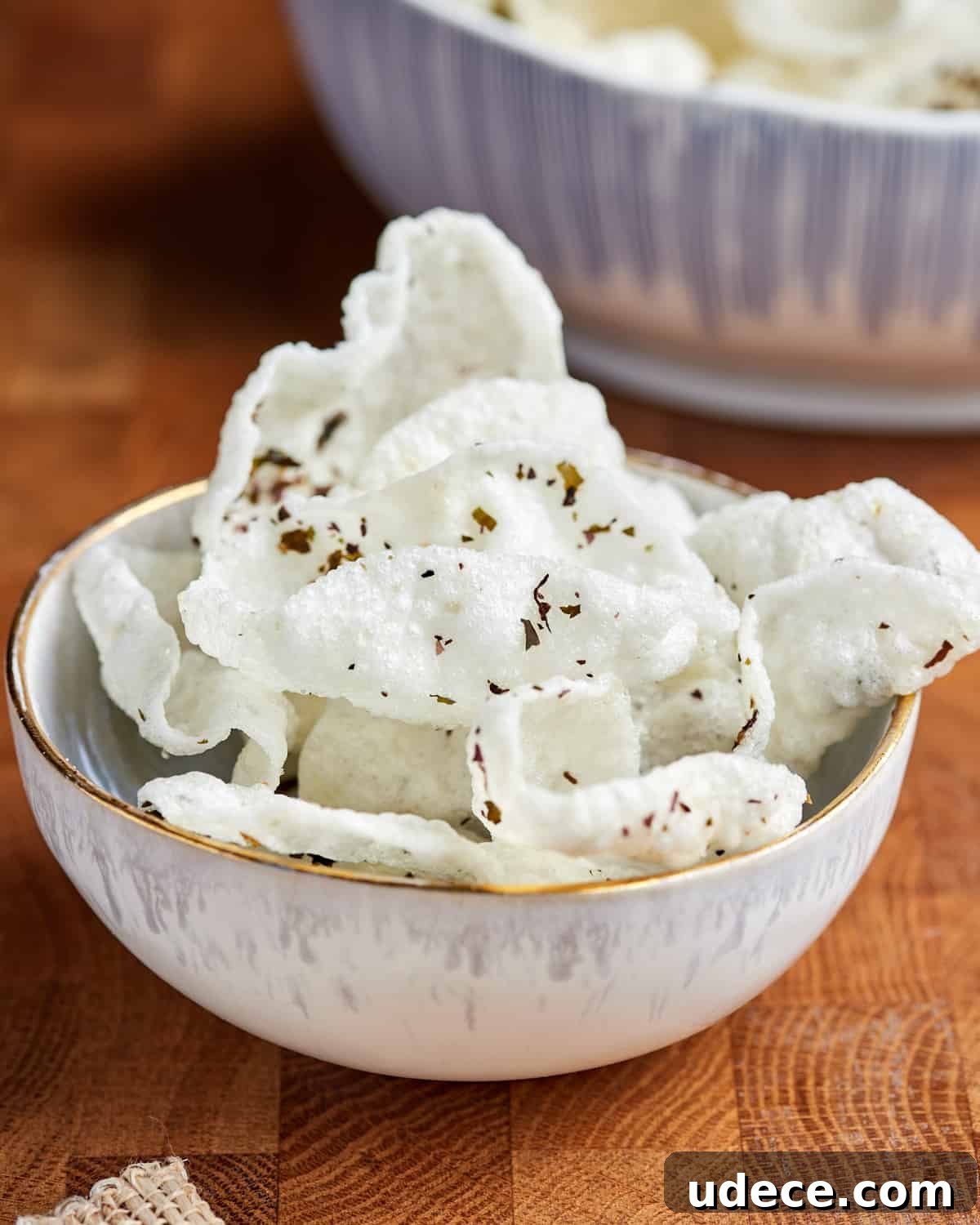
Krupuk are Indonesian crackers similar to prawn crackers but can be made vegan using rice paper wrappers. They puff up quickly when fried and make an excellent partner for satay sauce.
- Buy Vietnamese rice paper wrappers at an Asian grocery or supermarket.
- Fry the wrappers in hot oil (or shallow-fry in a little oil), turning once; they will puff and crisp in about a minute. Drain on paper towel and season with salt or seaweed flakes.
Variations
- Spice level – increase or decrease sambal oelek to suit your heat preference.
- Sweetness – add more kecap manis for sweetness, or use tamari plus a little maple syrup if kecap manis is unavailable.
- Kid-friendly – omit the chilli entirely for a milder sauce children will enjoy.
Making Ahead & Storage
Store the sauce in an airtight jar in the fridge for up to 3 weeks or in the freezer for up to 6 months. Thaw overnight in the fridge and stir well; you may need to add a little water to loosen the texture after chilling.
FAQs
Not always. Traditional satay sauces can include shrimp paste or other non-vegan ingredients. This recipe is fully vegan while retaining authentic flavour.
Yes — add more sambal oelek or chopped fresh chillies for extra heat.
Yes. Roast an equivalent weight of peanuts for a few minutes, then blend until they release their oils and form a smooth paste. You may need a larger quantity for easier blending and to scrape the sides while processing.
📖 Recipe 📖
Vegan Indonesian Satay Sauce Recipe
5 mins
5 mins
6 people
Camilla Sanderson
Ingredients
- 100 g peanut butter
- 2 garlic cloves, minced or grated
- 2 tablespoons lime juice
- 2 tablespoons kecap manis (sweetened soy sauce)
- 1 tablespoon tamari (or gluten-free soy sauce)
- 2–3 teaspoons sambal oelek (chilli sauce), to taste
- ¼ cup water (adjust for consistency)
Instructions
- Measure all ingredients except the water into a 500ml jug. Whisk together with a fork or small whisk until smooth.
- Slowly pour in the water while whisking until the sauce reaches your desired consistency.
- Serve as a dipping sauce, drizzle over cooked dishes, or thin with oil and water to use as a marinade or salad dressing.
Notes
- Store in an airtight container in the fridge for up to 3 weeks or freeze for up to 6 months. Stir in a little water if the sauce thickens after chilling.
- Serve as a dip for grilled or air-fried tofu, tempeh skewers, raw vegetable sticks, or rice crackers.
- Use as a sauce over roasted vegetables or mixed into noodles for a quick weeknight meal.
Nutrition
If you like this recipe, please leave a ⭐ star rating ⭐ on the recipe card!
Related Recipes
If you enjoy this Indonesian vegan satay sauce, try other vegan and gluten-free sauces for variety and inspiration.
-
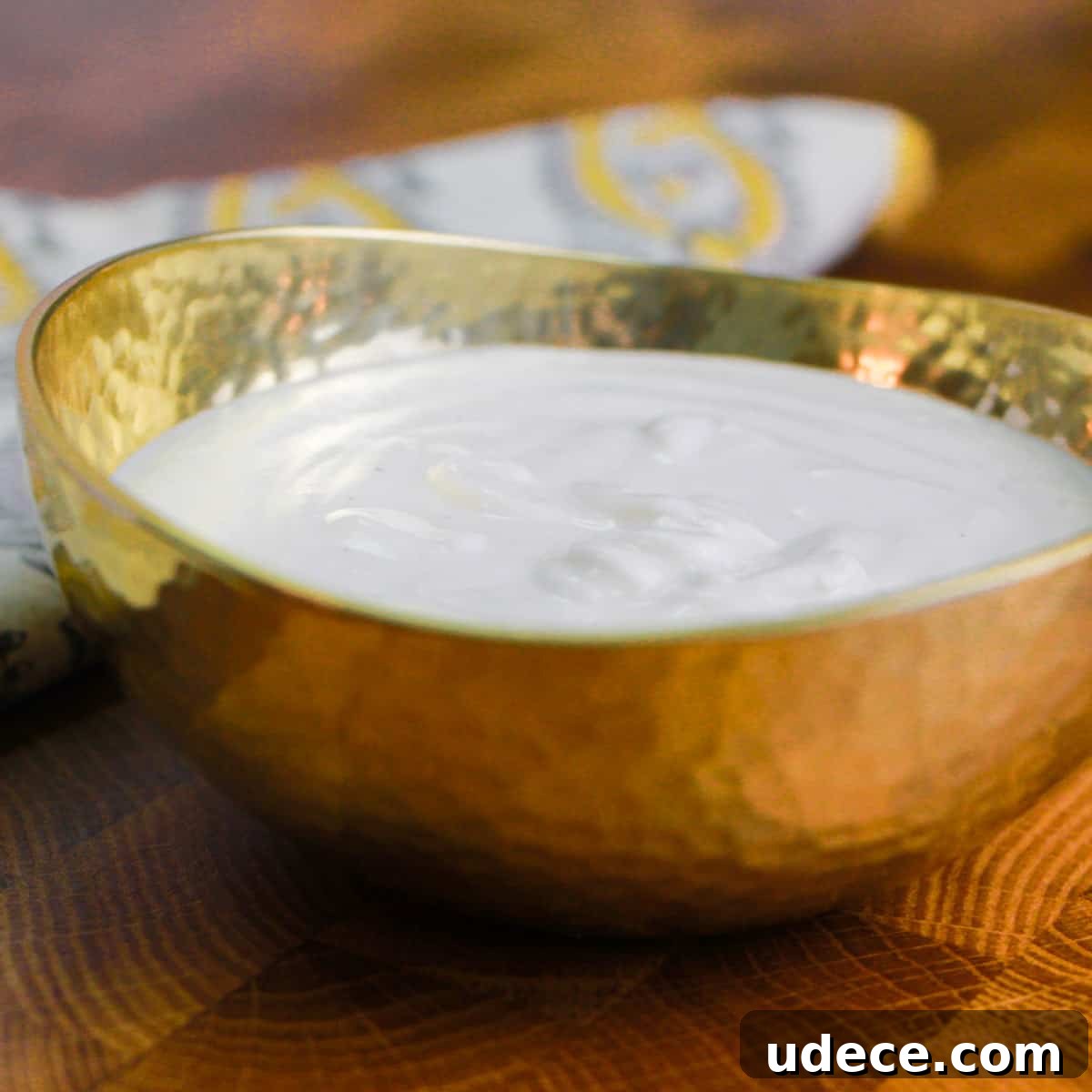
 Cashew Cream Sauce Recipe + 7 Variations
 -
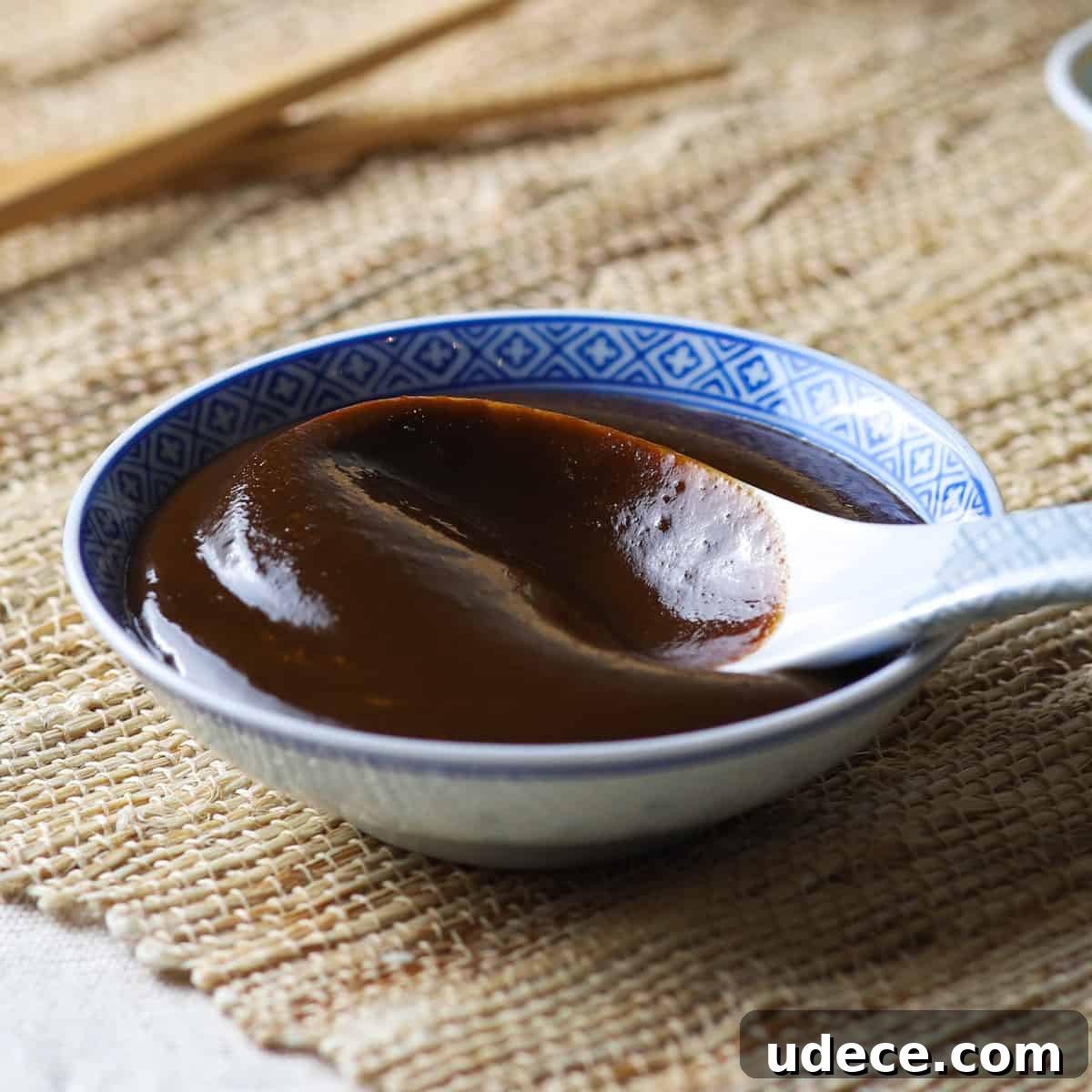
Homemade Hoisin Sauce (Gluten-Free)
-
Vegan Kuzu Cheese Sauce (Gluten-Free | Nut-Free | Soy-Free)
-
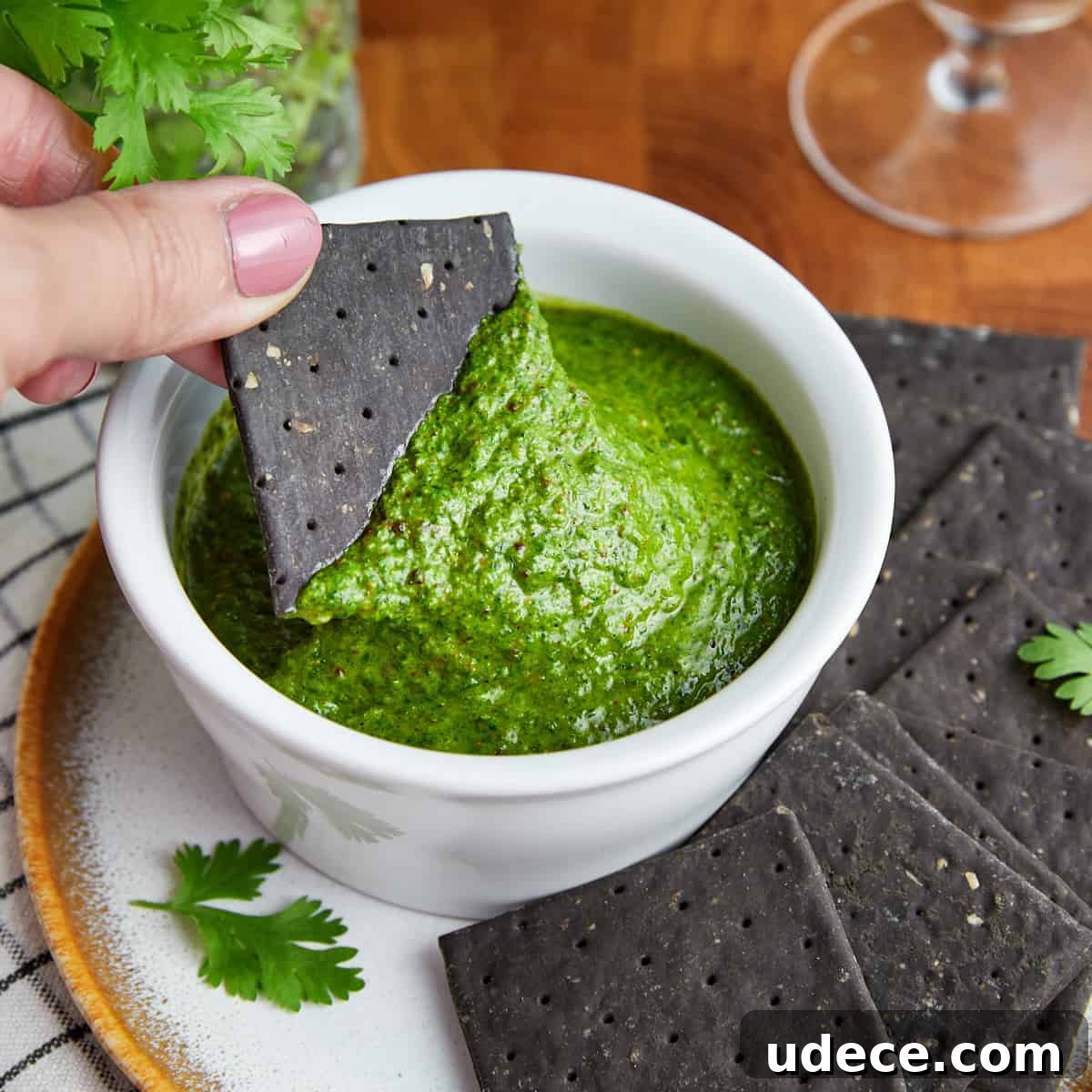
Amazing Zhoug Sauce!

🌿
Follow the author on social platforms or subscribe to email updates for more recipes.
🌿