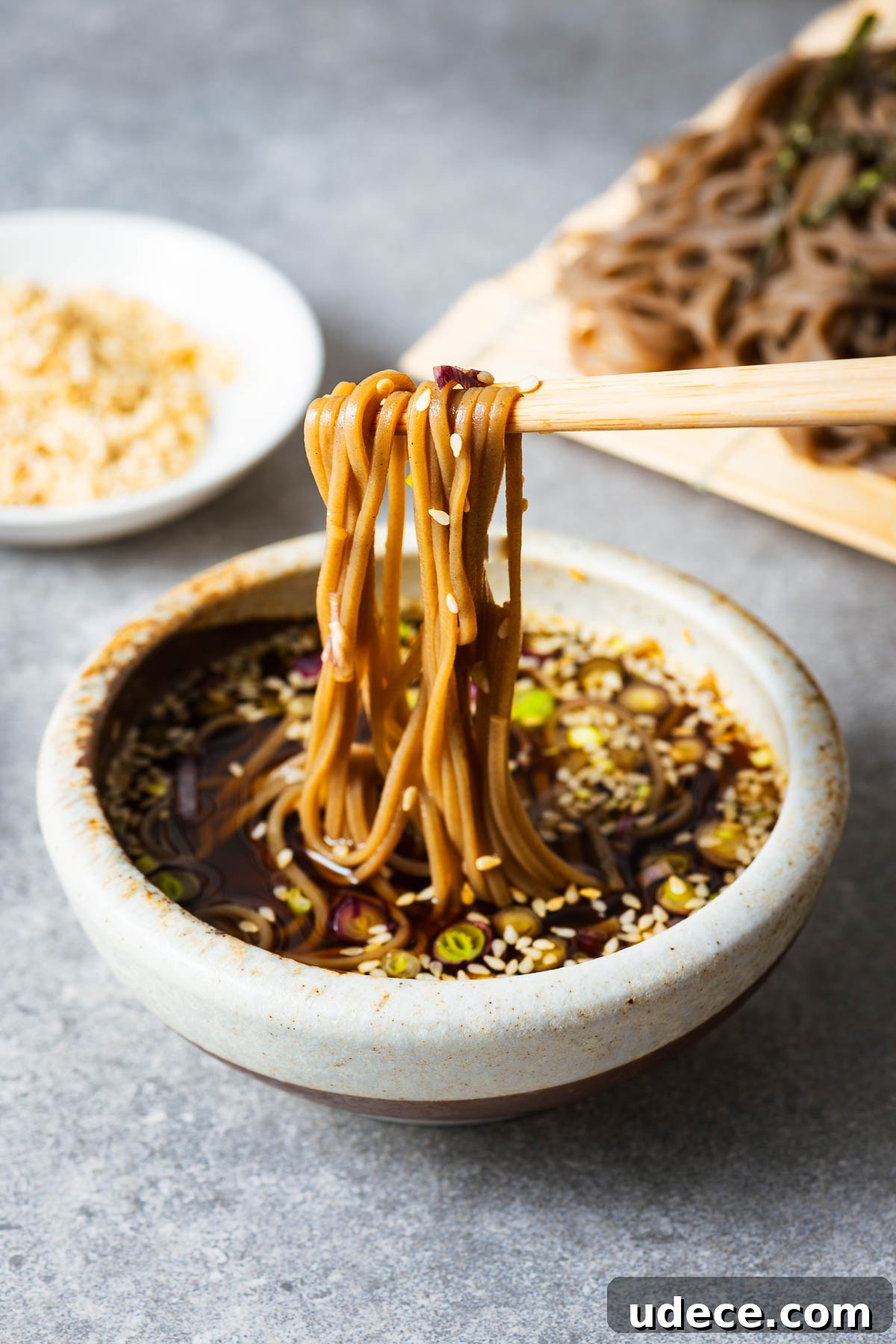
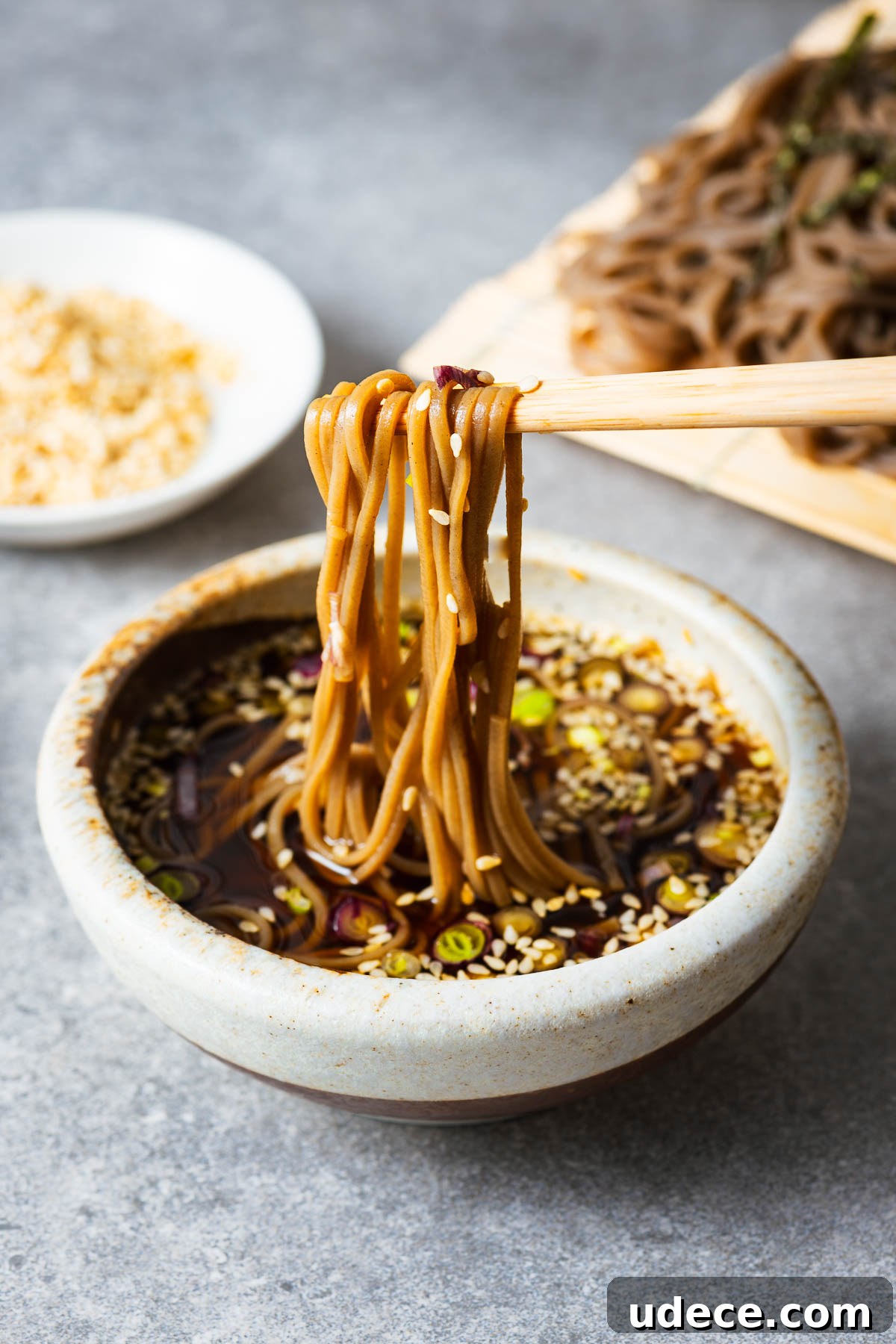
This Japanese noodle dish of chilled soba served with a savory dipping sauce—known as zaru soba—is a light, refreshing meal ideal for warm weather or any time you want something simple and flavorful.
Eating zaru soba is interactive and customizable: each person can season their own tsuyu with grated daikon (or ginger), sliced green onions, toasted sesame seeds, or wasabi before dipping the chilled noodles into the richly flavored sauce.
Although especially popular in summer, this dish works year-round and takes just minutes to prepare—an easy way to enjoy the clean, umami-driven tastes of Japanese home cooking.
In this post:
- Why you’ll love dipping cold soba noodles in tsuyu
- What is zaru soba?
- Ingredients and substitutes
- How to make zaru soba
- How to serve cold soba noodles
- Frequently asked questions
- Zaru soba recipe
What is zaru soba?
Zaru soba is a classic Japanese preparation of cold soba noodles—noodles made primarily from buckwheat—served with a concentrated, savory dipping sauce called tsuyu. The name “zaru” refers to the shallow bamboo tray traditionally used to serve the noodles, which helps them drain and keeps them from becoming soggy.
After boiling, the noodles are rinsed under cold water and briefly chilled (often in an ice bath) to stop the cooking and firm up the texture. The tsuyu is typically a mix of dashi (Japanese stock), soy sauce, and mirin, delivering a balanced blend of salty, sweet, and umami notes that complements the nutty soba.
Zaru soba is commonly garnished with shredded nori and served with small accompaniments—wasabi, grated daikon, and sliced green onions—so each diner can personalize their dipping sauce.
Why dipping cold soba noodles in tsuyu is for you
Zaru soba is refreshing, fast, and versatile. Highlights of this dish include:
- Fast and simple: Ready in around 10 minutes, it’s an ideal option for quick lunches or light dinners.
- Customizable: Each person can adjust the tsuyu with toppings like grated daikon, wasabi, scallions, or sesame seeds.
- Gluten-free-friendly: Pure buckwheat soba can be naturally gluten-free—substitute tamari for soy sauce to keep the dipping sauce gluten-free.
- Great for warm weather: Served chilled, it’s a cooling, satisfying choice on hot days.
- Authentic flavors: Traditional ingredients—dashi, soy sauce, mirin, and nori—deliver an authentic Japanese flavor profile with deep umami.
Zaru soba offers a simple, elegant way to explore Japanese umami flavors at home.
Ingredients and substitutes
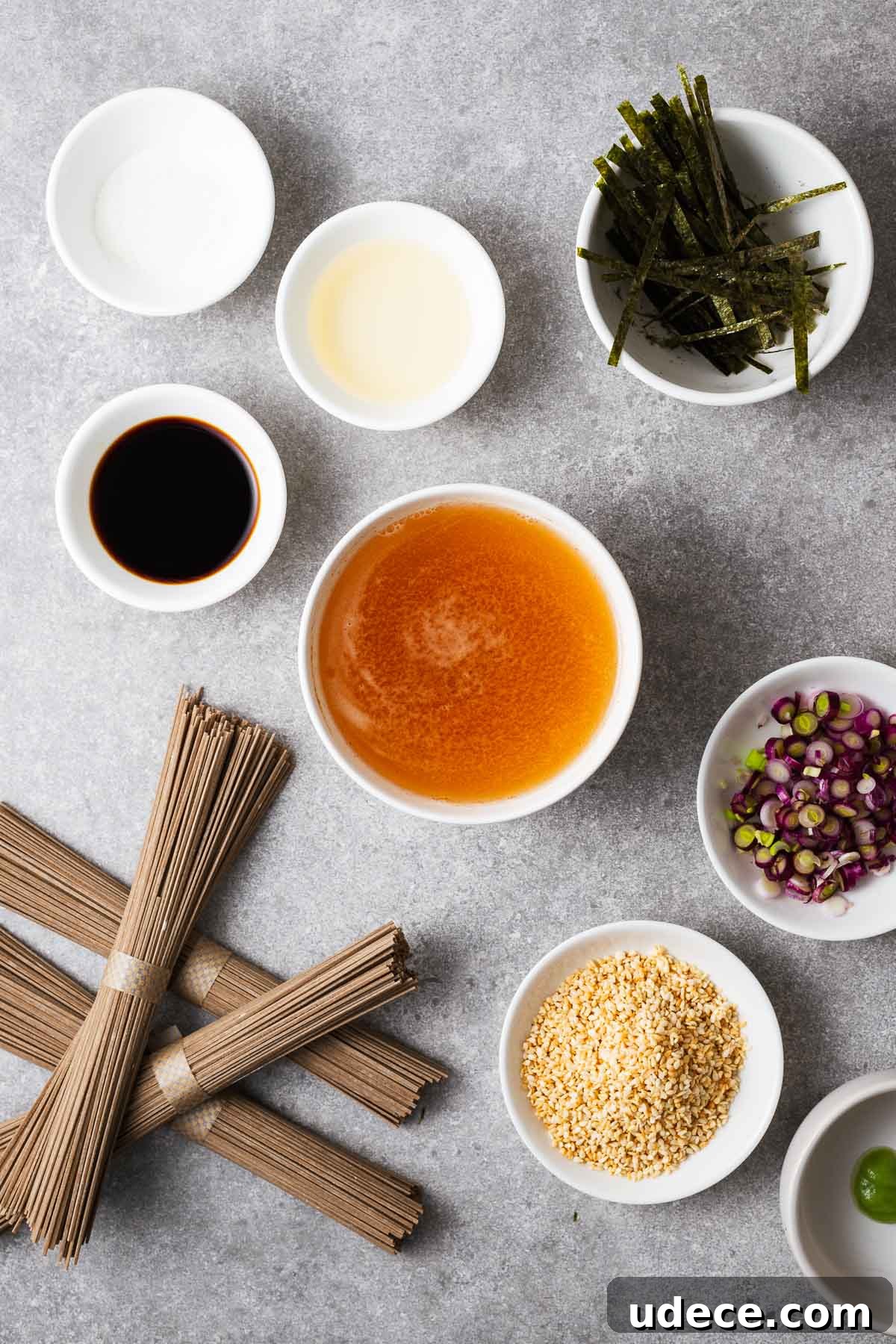
This straightforward dish uses a short ingredient list. Common items and easy swaps:
- Dried soba noodles: Made from buckwheat and slightly nutty in flavor. If unavailable, other thin Japanese noodles like somen can be used in a pinch.
- Shredded nori: Cut a sheet of nori into thin strips for garnish.
- Dashi stock: The base for the dipping sauce. Traditional awase dashi uses katsuobushi (bonito) and kombu (kelp). Use instant hon dashi powder or a kombu–shiitake mushroom stock for a vegetarian option.
- Soy sauce: Japanese shoyu is ideal; tamari works for a gluten-free option and coconut aminos can substitute in a pinch.
- Mirin: A sweet rice wine that adds balance. If you don’t have mirin, dilute a little sake or sherry with a pinch of sugar.
- Sugar (optional): Adds extra balance if desired—white or brown sugar, or another sweetener, will work.
You can also use store-bought mentsuyu concentrate diluted with cold water for a quick tsuyu. For one cup of dipping sauce, mix about 1/3 cup mentsuyu concentrate with 2/3 cup ice-cold water and adjust sweetness to taste.
Optional dipping sauce additions
Serving zaru soba is partly about letting diners personalize their dipping sauce. Common toppings to offer:
- finely grated daikon or grated ginger,
- toasted sesame seeds,
- thinly sliced green onions (scallions),
- wasabi for heat.
How to make cold soba noodles with dipping sauce
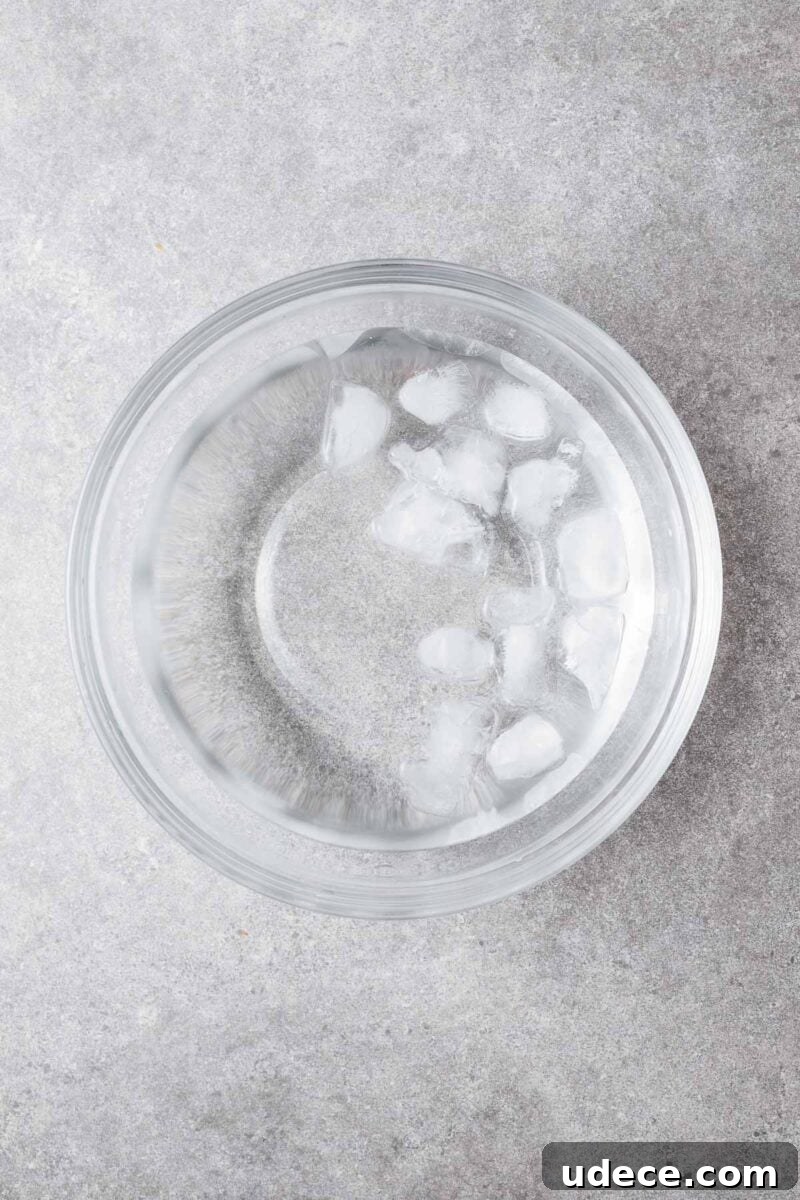
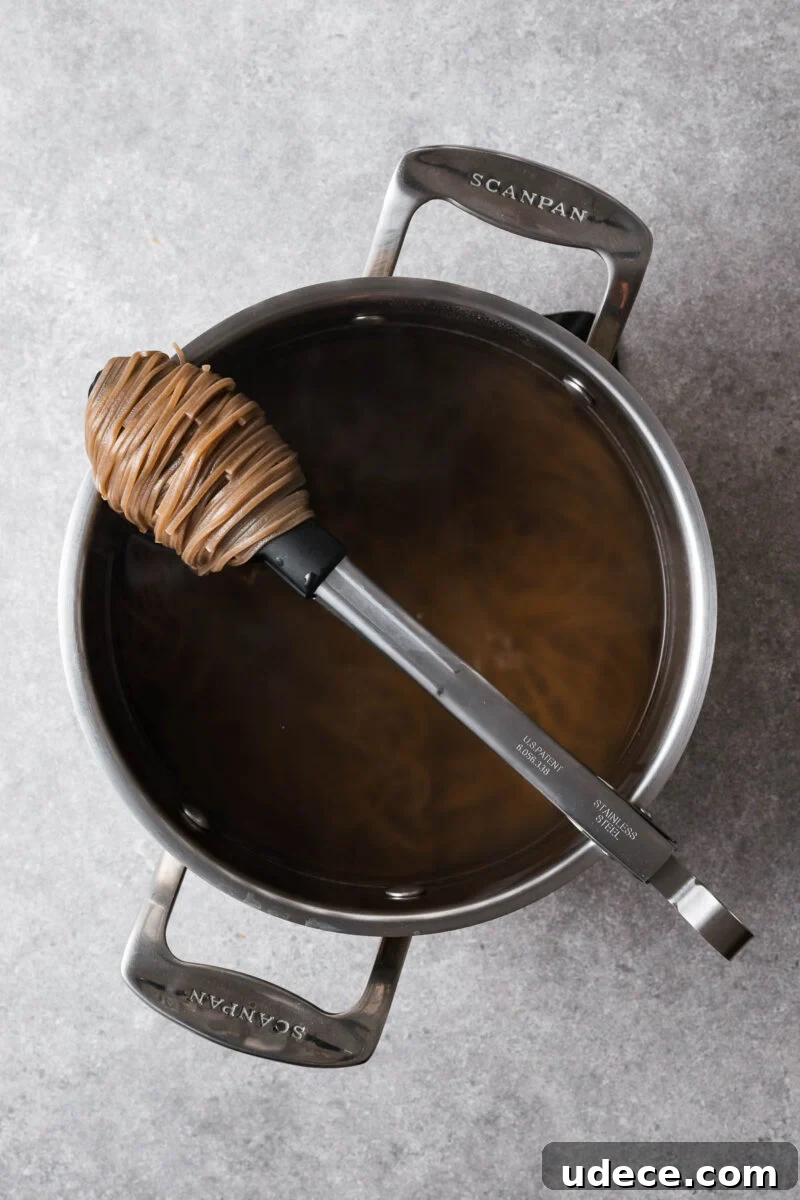
Step 1: Prepare a large ice bath—cold water with a handful of ice—to chill the noodles quickly and stop cooking.
Step 2: Bring plenty of water to a boil (at least 6 cups). Add the soba and cook according to package directions, usually around 5 minutes. Stir occasionally to prevent sticking and avoid overcooking so the noodles remain firm.
Reserve a little of the noodle cooking water (sobayu). After finishing the noodles, adding sobayu to your remaining tsuyu makes a warm, savory broth that many enjoy sipping.
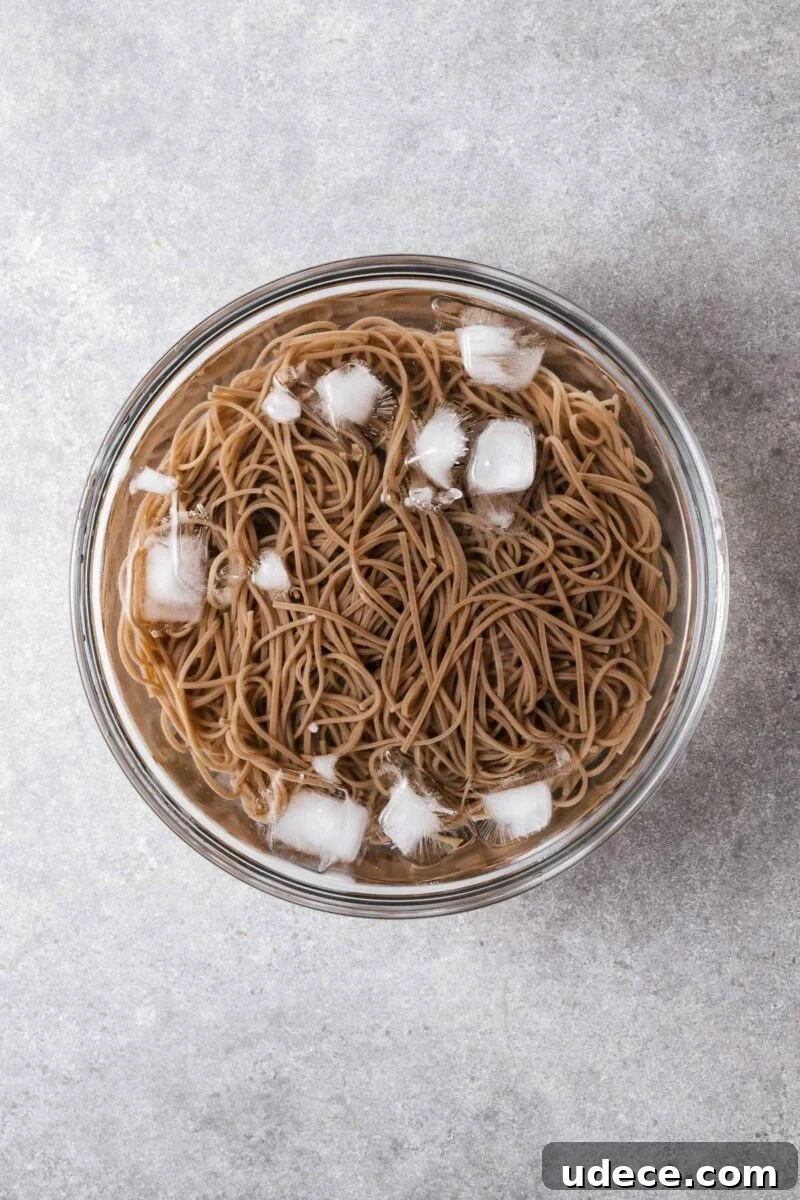
Step 3: Drain and rinse the cooked noodles under cold running water to remove starch, then plunge them into the ice bath for about 30 seconds. Drain thoroughly to avoid sogginess and set aside.
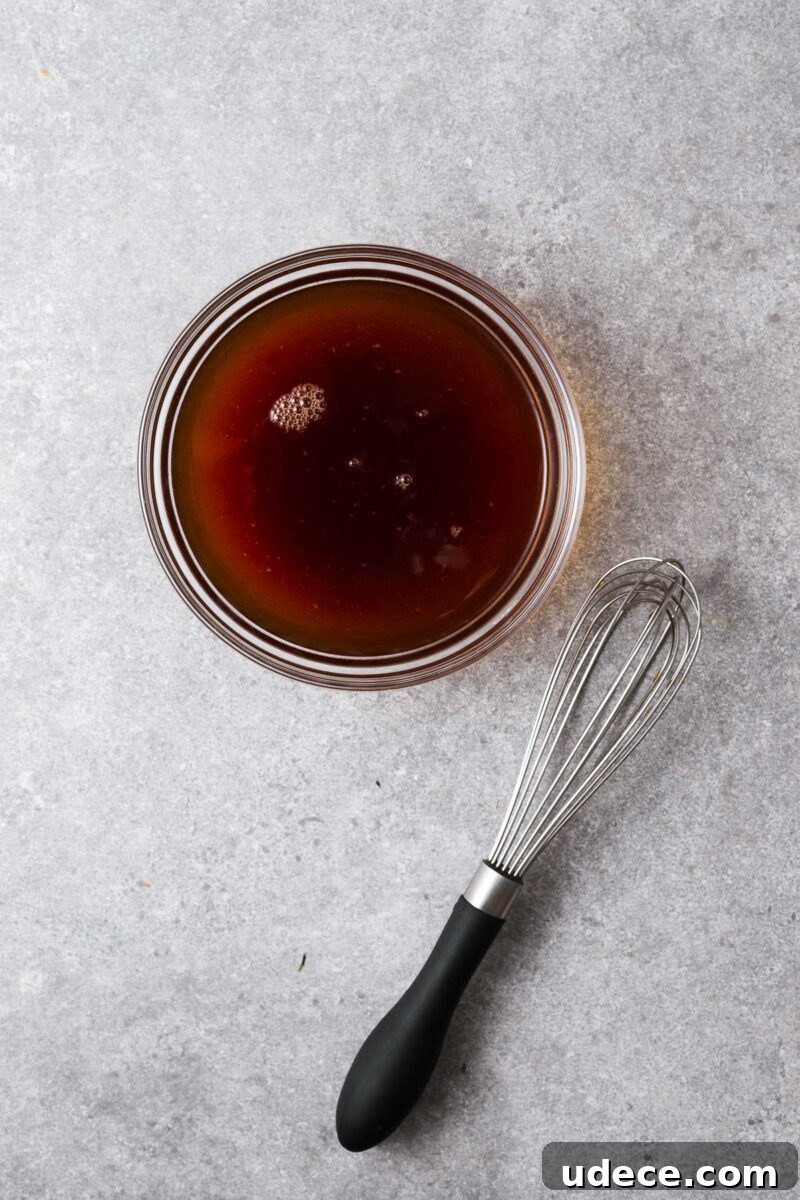
Step 4: Make the dipping sauce by combining chilled dashi (about 2/3 cup), 2–3 tablespoons soy sauce, 2–3 tablespoons mirin, and 1 teaspoon sugar if you like it slightly sweeter. Adjust strength by adding cold water or more dashi, soy, or mirin to suit your taste.
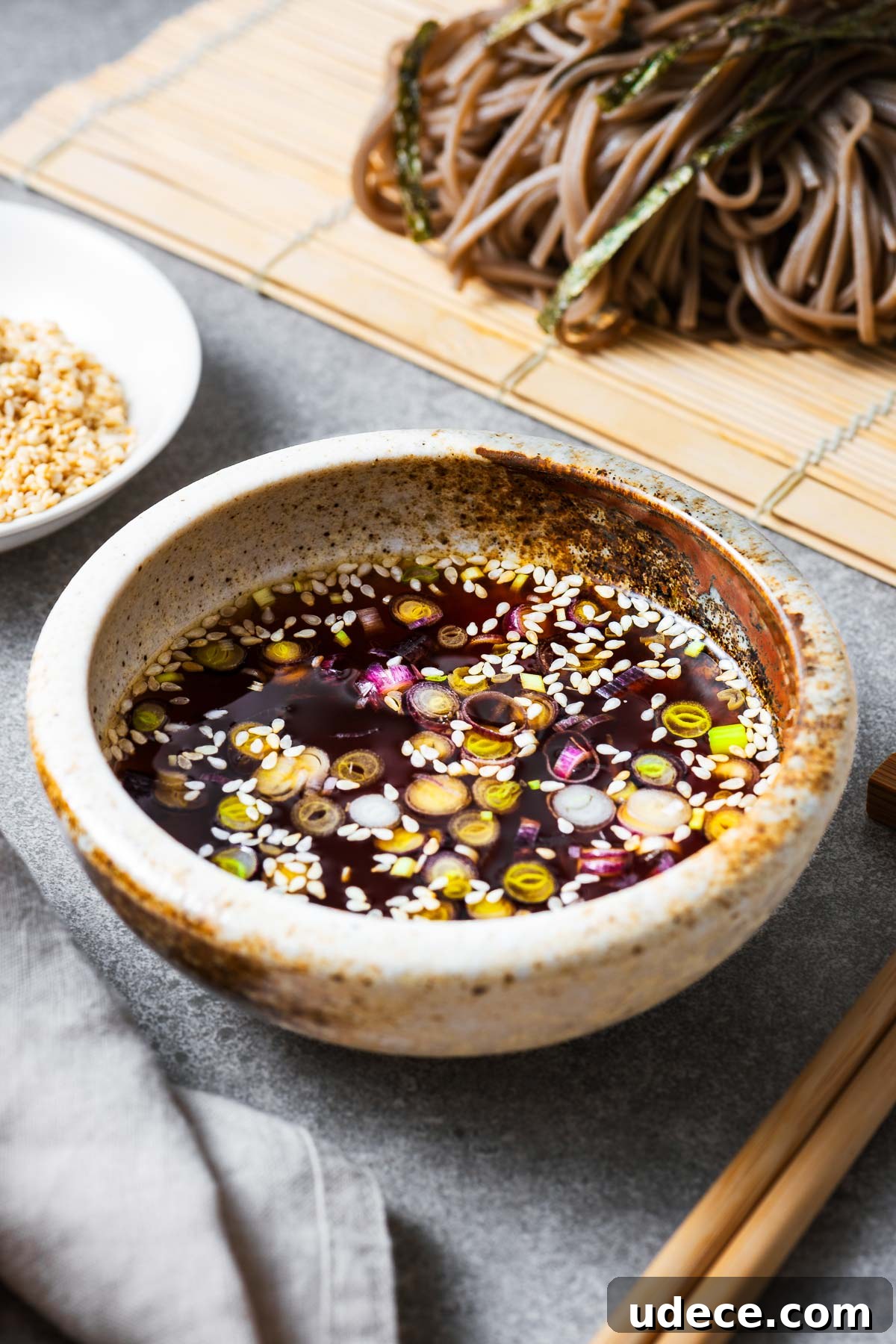
Step 5: To serve, portion the noodles into individual bowls or a zaru so they drain well. Garnish with shredded nori and present the tsuyu in small dipping bowls—one per person.
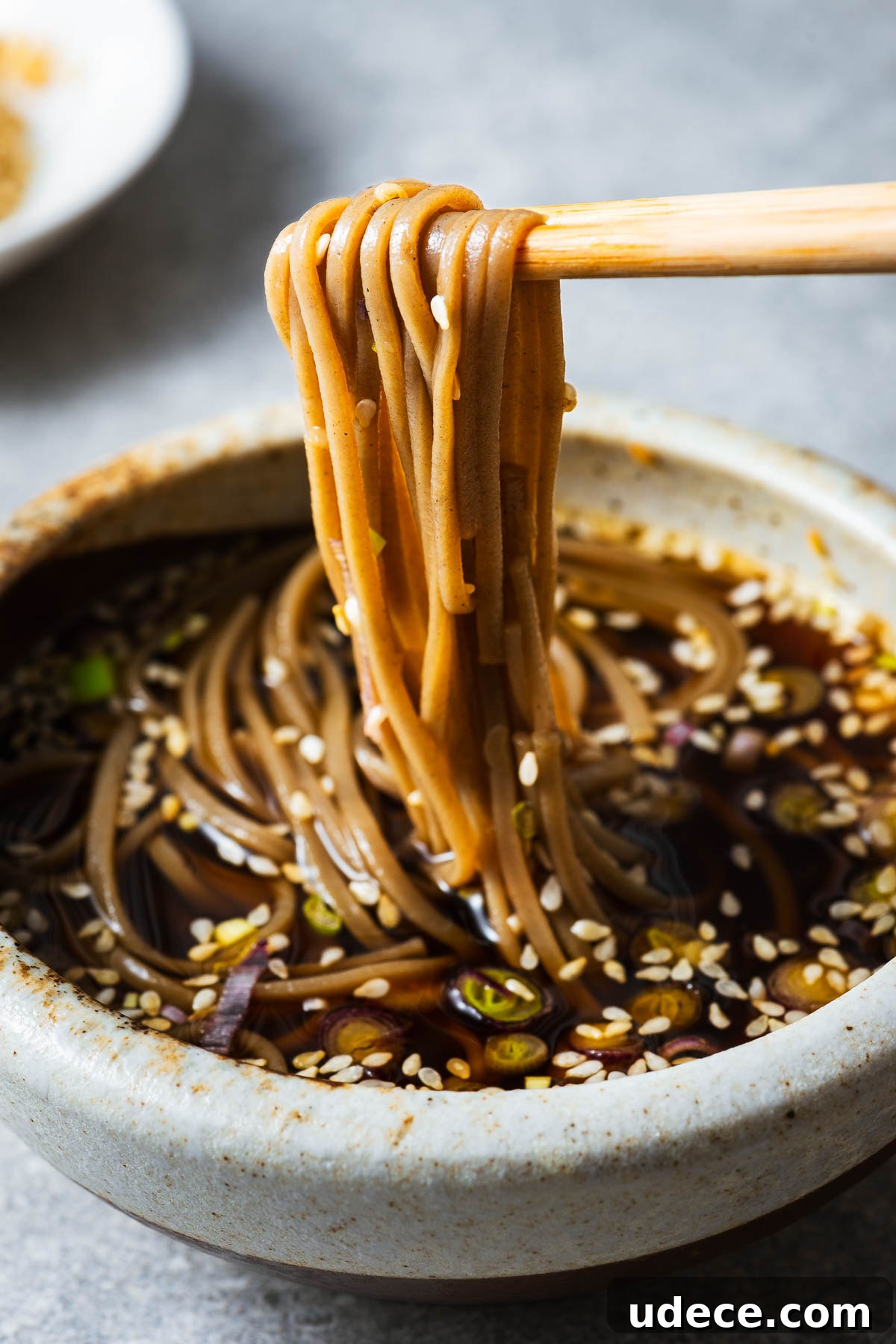
Offer optional toppings—grated daikon, wasabi, sliced green onions, and toasted sesame seeds—so each diner can customize their dipping sauce. Use chopsticks to pick up a small bundle of chilled noodles, dip into the tsuyu, and enjoy.
How to eat cold soba noodles
Serve the chilled noodles on a zaru or a bamboo mat to help drain excess water. Provide each diner with their own small bowl of dipping sauce and communal plates of toppings.
Eat by dipping a small portion of noodles into the tsuyu and slurping them up—this enhances the flavor and cools the noodles. For a more substantial meal, serve zaru soba with sides like vegetable tempura or a simple salad.
Frequently asked questions
Tsuyu is typically made from soy sauce, dashi (fish or kelp/shiitake stock), mirin, and a touch of sugar. Variations may include rice vinegar, ginger, or green onions.
Cold soba pairs well with simple toppings like green onions, grated daikon, and wasabi, and with sides such as tempura, chilled tofu, or a light salad.
Soba can be served hot or cold. Cold preparations like zaru soba are popular in summer, while hot soba soups are common in cooler seasons.
Cold soba sauce is savory, slightly sweet, and rich in umami from the dashi, offering a balanced complement to the nutty noodles.
Cold Soba Noodles with Dipping Sauce (Zaru Soba)
Ingredients
- 7 oz soba noodles (buckwheat noodles)
- 6 cups water , for cooking noodles
- ice cubes and water , for the ice bath
- a handful of shredded nori , for garnish
Soba dipping sauce
- ⅔ cup chilled dashi stock , homemade or from powder
- 3 tablespoons soy sauce
- 3 tablespoons mirin
- 1 teaspoon sugar (optional)
Dipping sauce toppings (optional):
- finely grated daikon or ginger
- wasabi
- sliced green onions (scallions)
- toasted sesame seeds
Instructions
-
1. Prepare an ice bath: fill a large bowl with cold water and ice.
-
2. Bring plenty of water to a rolling boil (about 6 cups). Cook the soba according to the packet, usually about 5 minutes, stirring occasionally to prevent sticking. Do not overcook—the noodles should be firm and slightly chewy.
-
3. Drain and rinse the noodles under cold running water to remove starch, then plunge into the ice bath for about 30 seconds. Drain very well and set aside.
-
4. While the noodles cook, whisk together chilled dashi, soy sauce, and mirin in a small bowl. Add a teaspoon of sugar if you prefer a sweeter sauce. Taste and adjust with water, soy, or mirin to suit your preference.
-
5. To serve, divide noodles into individual portions or place on a zaru and sprinkle with shredded nori. Serve tsuyu in small bowls and offer optional toppings in small plates for diners to customize their dipping sauce. Dip, slurp, and enjoy.
Notes
- Dashi stock: Use homemade dashi or dissolve hon dashi powder in cold water. For an icy dipping sauce, chill the dashi in the freezer for 10 minutes before serving.
- Mentsuyu: You can make tsuyu from mentsuyu concentrate diluted with cold water. A common ratio is 1/3 cup concentrate to 2/3 cup water for one cup of dipping sauce.
- Zaru: A shallow bamboo basket used to serve cold noodles; useful to keep noodles drained, but serving on plates or bowls works fine if you drain well.
Try more Japanese recipes
- Miso scrambled eggs
- Mentsuyu (Japanese noodle soup base)
- Uramaki (Inside-out sushi rolls)
- Nasu dengaku (Miso eggplant)
- Kake udon (simple udon noodle soup)
- Tsukimi udon (Japanese moon viewing noodle soup)